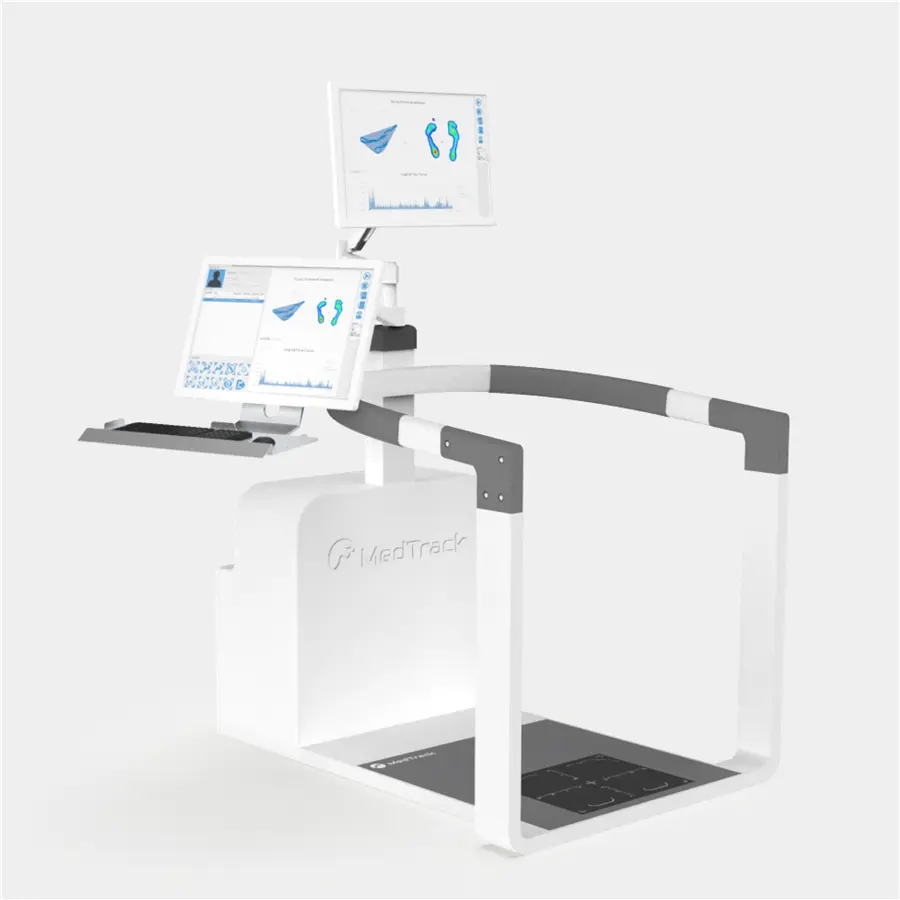
OEM Dynamic/Static Balance Function Assessment and Training System Suppliers, Factory

Dynamic/static balance analysis and training system is a simple and efficient balance detection and training system.

Product model and Specifications:
• Model: XXXX
• Number of sensors: 4584 
• Tolerance: ≤2% of the maximum range taxi 
• Dimensions without touch screen(WxHxD): 426x144x340 mm 
• Weight: 9.5kg. 

Integrated compressor:
• Pressure: Max. effective pressure 4 bar, Frequency: 1-17 Hz (depending on pressure). 
• Optional: V-Actor vibration handle 1-21 HZ. 
• Optional: 10" touch screen.

Product Description

Product Introduction

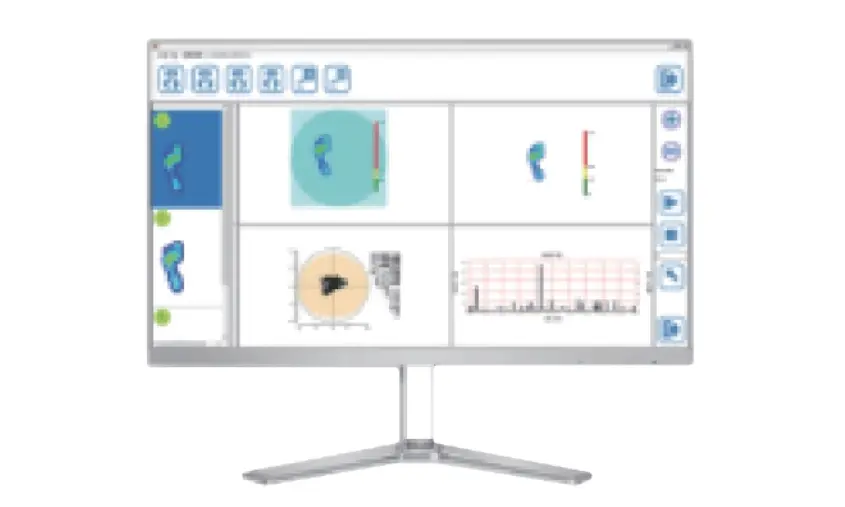
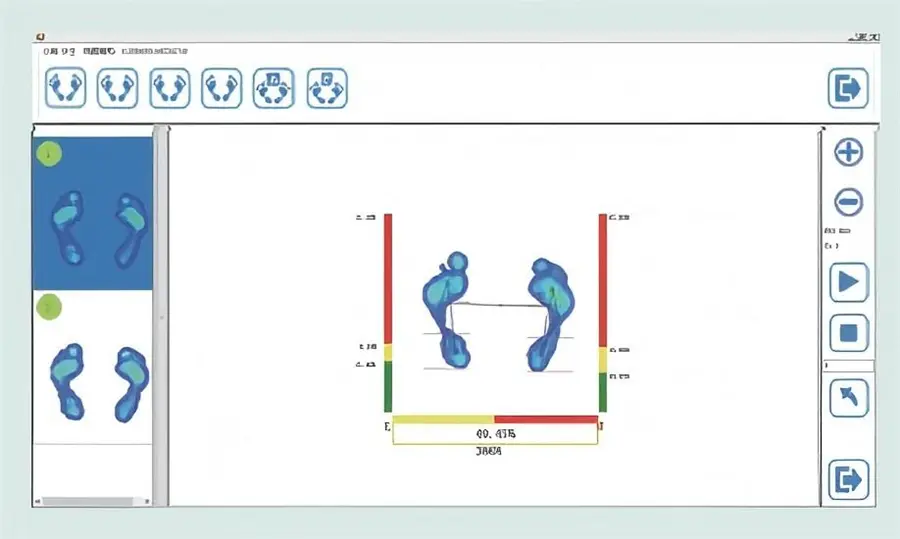
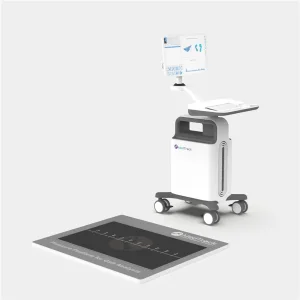
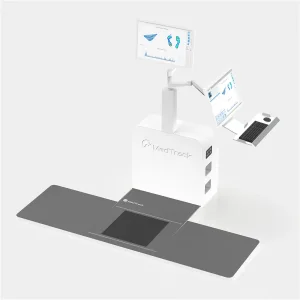
Dynamic and static balance function evaluation and training system is composed of balance test host (host with network cable) and computer software. The test plate of the system adopts the most advanced piezoresistive sensor in the world. To any contact area pressure distribution between dynamic measurement, from the perspective of biomechanics with intuitive, the image of the 2 d color graphic display the outline of pressure distribution and numerical, for people in the process of walking gait and balance characteristics and sit stand the shift in the process of transfer characteristics, balance characteristics, etc. For motion analysis, movement damage assessment, balance the stability analysis and balance training, etc.

Product Features

Precision evaluation and testing: High precision, high density pressure sensor, to ensure that each acquisition contour is clear, accurate data; Accurate identification of left and right feet without manual correction; Using SOL database, the polymorphic cloud network can be constructed.
Precision testing data display
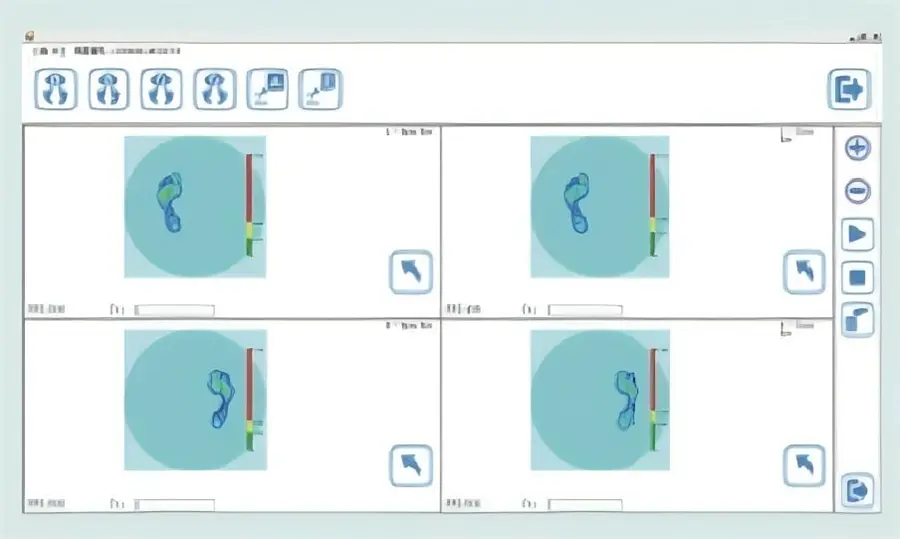
Comprehensive Data Analysis: Feet stand can be multi-angle, balance on one foot, feet stand open/close your eyes balance, the limit equilibrium test, and can be measured plantar contact area percentage ovality, COP swing area, path length, etc.; Convenient report printing system, provide more comprehensive support for your diagnosis.
Test pressure distribution: Double foot with eyes closed test pressure distribution, single foot test pressure distribution.
Pressure distribution analysis 1
Pressure distribution analysis 2

Indications

Central Nervous System Damage

Traumatic brain injury, cerebrovascular accident, Parkinson's disease, multiple sclerosis, cerebellar disease, brain tumor, cerebral palsy, spinal cord injury, etc.

Musculoskeletal System

Low musculoskeletal system disease or injury, fracture and joint disease, amputations, joint replacement, muscle disease, peripheral nerve injury, affect the pose and position control of neck and back injuries.

Vestibular Dysfunction

Assessment and training for patients suffering from vertigo and related vestibular issues.
Frequently Asked Questions

What are the main components of the balance training system?
The system consists of a high-precision balance test host equipped with network connectivity and specialized computer software for data analysis.
How does the system measure pressure distribution?
It utilizes advanced piezoresistive sensors to capture dynamic pressure distribution, displaying results through intuitive 2D color graphics.
Can the system distinguish between the left and right foot automatically?
Yes, the system features accurate identification of left and right feet without the need for manual correction.
What specific balance metrics can be evaluated?
It measures COP swing area, path length, plantar contact area percentage, ovality, and balance stability during various tests like single-foot or eyes-closed standing.
Is this system suitable for rehabilitation after a stroke?
Absolutely. It is indicated for central nervous system damage, including cerebrovascular accidents (strokes), to help with gait and balance recovery.
Does the system support diagnostic reports?
Yes, it includes a convenient report printing system that provides comprehensive data support for clinical diagnosis and progress tracking.

Related Products