Product Introduction
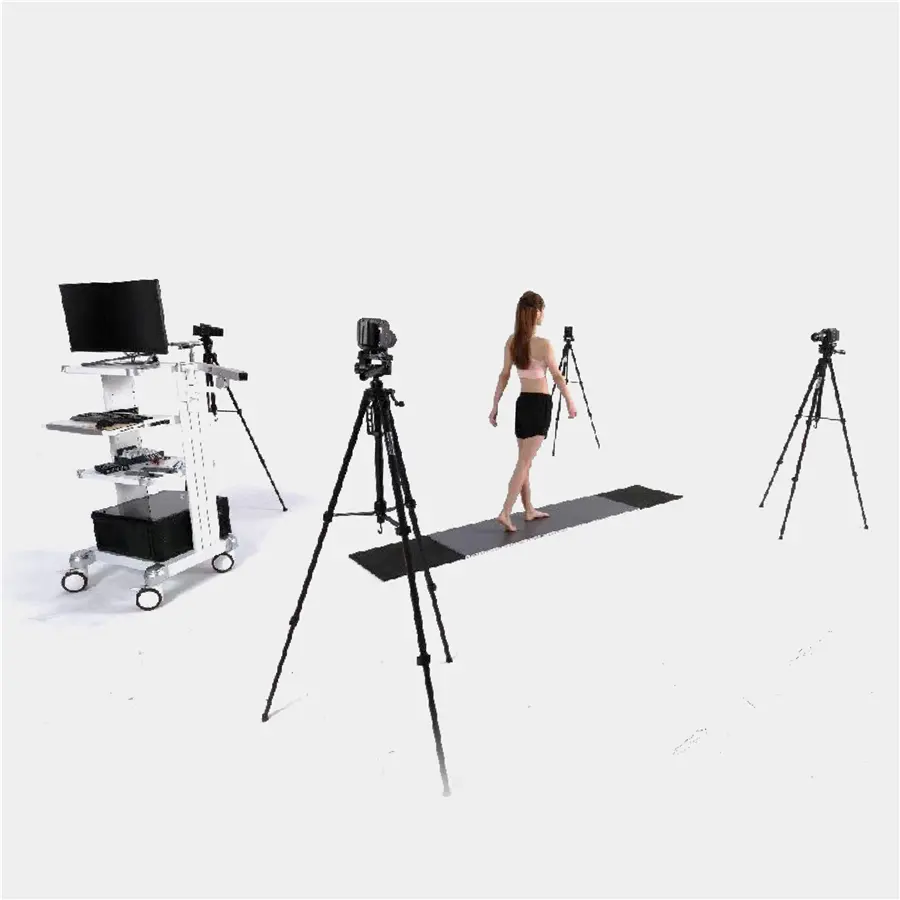
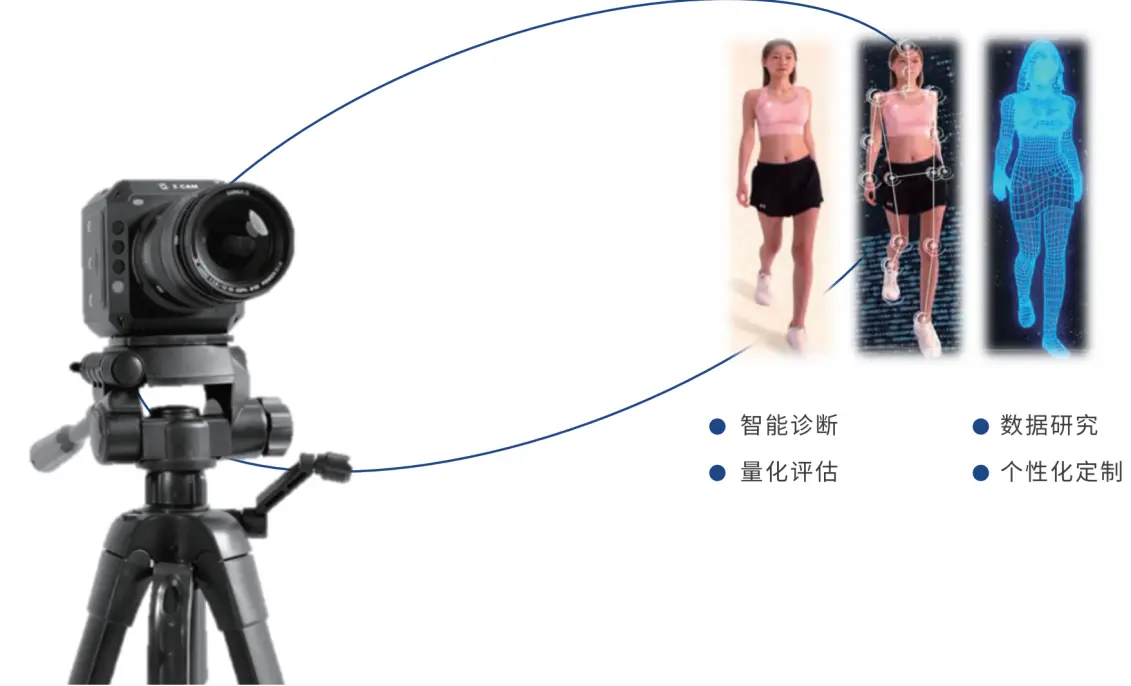
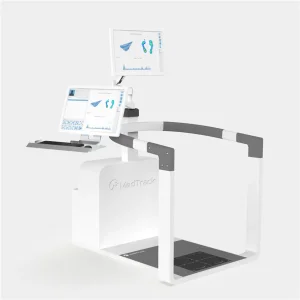
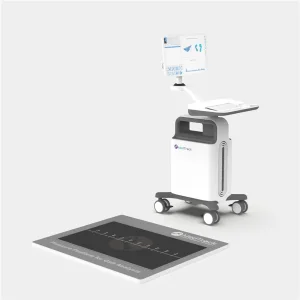
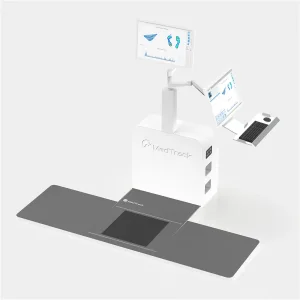
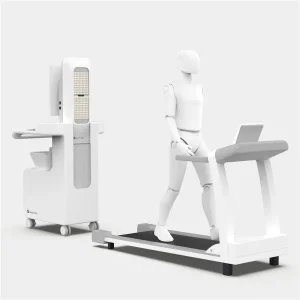
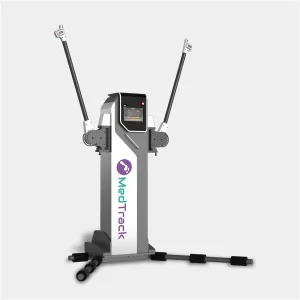
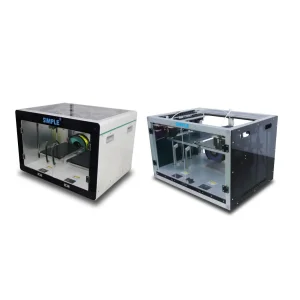
Medtrack 3D gait analysis system integrates AI artificial intelligence image recognition technology, high-precision pressure sensor technology and other comprehensive applications in human gait analysis, accurate 3D reconstruction of gait process, automatic marker recognition technology, making the test more convenient. It can be widely used in clinical gait analysis, gait biomechanics research, neural perception, sports science research and analysis, ergonomics and other fields.
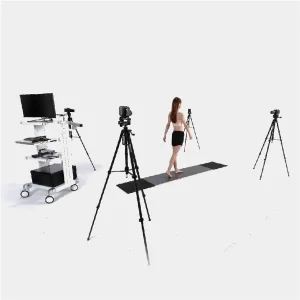
System using computer deep learning principle, uses the neural network algorithm to automatic recognition of motor movements, 3-d motion analysis, through the unique artificial intelligence algorithms, but without interference and influence patient rehabilitation training and daily activities, without wearing any wearable device marking points, namely can obtain three-dimensional gait related indicators, Such as step length, frequency and support phase, swing phase and variability of gait parameters, etc.
Product Features
- Video capture function: support SD card import analysis mode, support industrial camera real-time acquisition analysis.
- Low body automatic identification of key points: support James Sea human body 21 point biomechanical model, support custom human body recognition model.
- Support sports equipment (javelin, shot put, hammer throw, discus).
- Low data calculation and export: gravity calculation, vector Angle, projection Angle, Angle velocity/acceleration (support C3D, CSV, TSV a variety of export data format).
- Space calibration: 2D calibration, 3D calibration, coordinate transformation.
- Low manual correction function: fixed coordinates, digital filtering, delete mark point, curve fitting.
- Low 3D data synthesis: batch synthesis, key frame synchronization, shutter correction.
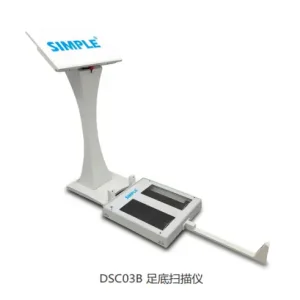
- Analog signal input: such as surface electromyography, force measuring table, electroencephalogram, plantar pressure, etc.
It can cooperate with surface electromyography and force table for 3D motion capture analysis.
Wireless Surface Electromyography Analysis System:
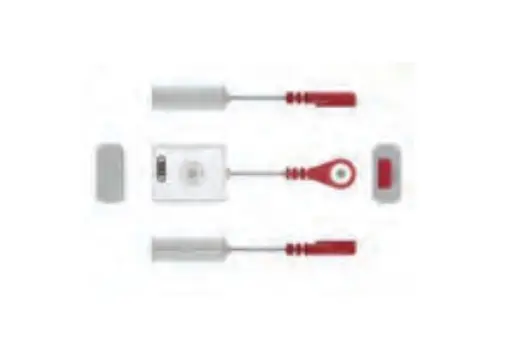
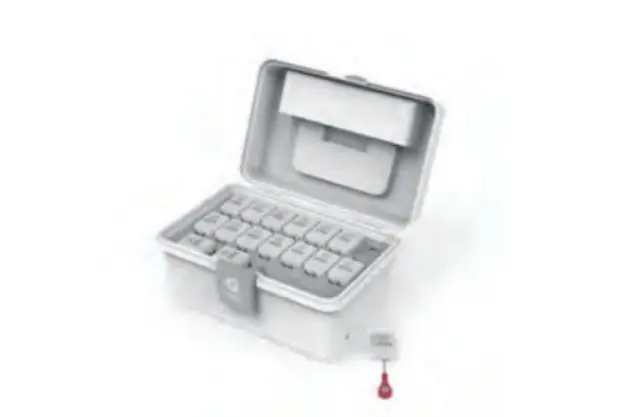
A new generation of multifunctional electromyography function diagnosis, evaluation and analysis instrument for the rehabilitation field. It collects neuromuscular bioelectrical signals from the muscle surface through electrodes for quantification, analysis and processing. The main functions include: muscle strength assessment, muscle tension assessment, hemiplegia of upper and lower limbs assessment, facial paralysis assessment, gait analysis, etc.
Wireless Surface Electromyography Features:
- Full wireless design of surface EMG, maximum 50m wireless transmission.
- Button type electrode design with one-off electrodes for portable operation.
- Reliable fitting method and chip design to reduce noise and improve stability.
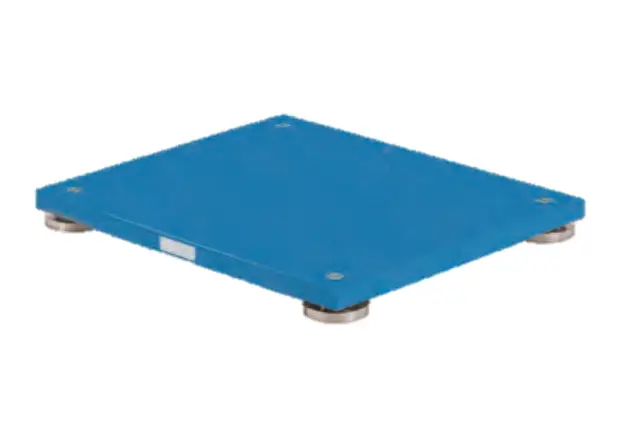
Six Weight Load Stage & Force Measuring Table:
Six component built-in high precision load cell, biological force can real-time measuring force and output force. It collects ground reaction force in three directions, reversally derives joint force, and calculates joint moment.
Clinical Application
- Determine gait features (period, length, width, speed, joint angle) to analyze walking function.
- Judgment of pathological changes in hip, knee, and ankle joints for diagnosis and treatment.
- Analyze rehabilitation effects by comparing data before and after treatment.
- Provide objective basis for overall rehabilitation plans from a biomechanical perspective.
- Evaluate gait before and after wearing prostheses or braces.
Applicable Population
- Central nervous system injury (hemiplegia, cerebral palsy, etc.).
- Bone and joint diseases/trauma (surgery, arthritis, ligament injuries, etc.).
- Lower limb muscle strength injury (poliomyelitis, nerve injuries).
- Postural or pain problems affecting gait.
Frequently Asked Questions (FAQ)
Does the Medtrack system require patients to wear markers?
No, the system uses computer deep learning and neural network algorithms for automatic recognition, allowing for 3D motion analysis without wearing any wearable device marking points.
What types of gait parameters can be measured?
It can obtain indicators such as step length, frequency, support phase, swing phase, variability of gait parameters, vector angles, and acceleration.
Can this system be used for sports research?
Yes, it supports analysis for sports equipment like javelins, shot puts, hammer throws, and discus, making it ideal for sports science and biomechanics research.
Is the surface electromyography (EMG) system wireless?
Yes, it features a full wireless design supporting up to 50m transmission, ensuring no interference with the subject's natural movement.
What clinical conditions benefit most from this analysis?
It is highly effective for patients with central nervous system injuries (like hemiplegia), orthopedic surgeries, arthritis, and lower limb nerve injuries.
In what formats can the data be exported?
The system supports multiple export formats, including C3D, CSV, and TSV, for comprehensive data calculation and secondary analysis.
 MedTrack