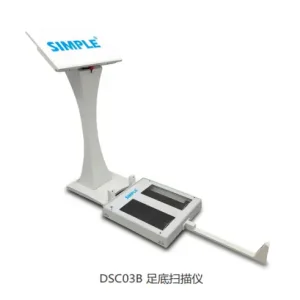
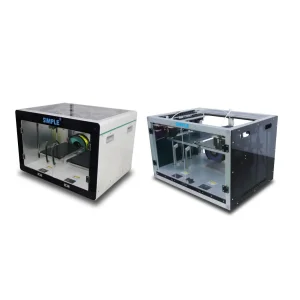
China Portable Version of 3D Spine Posture Measurement Supplier, Factory

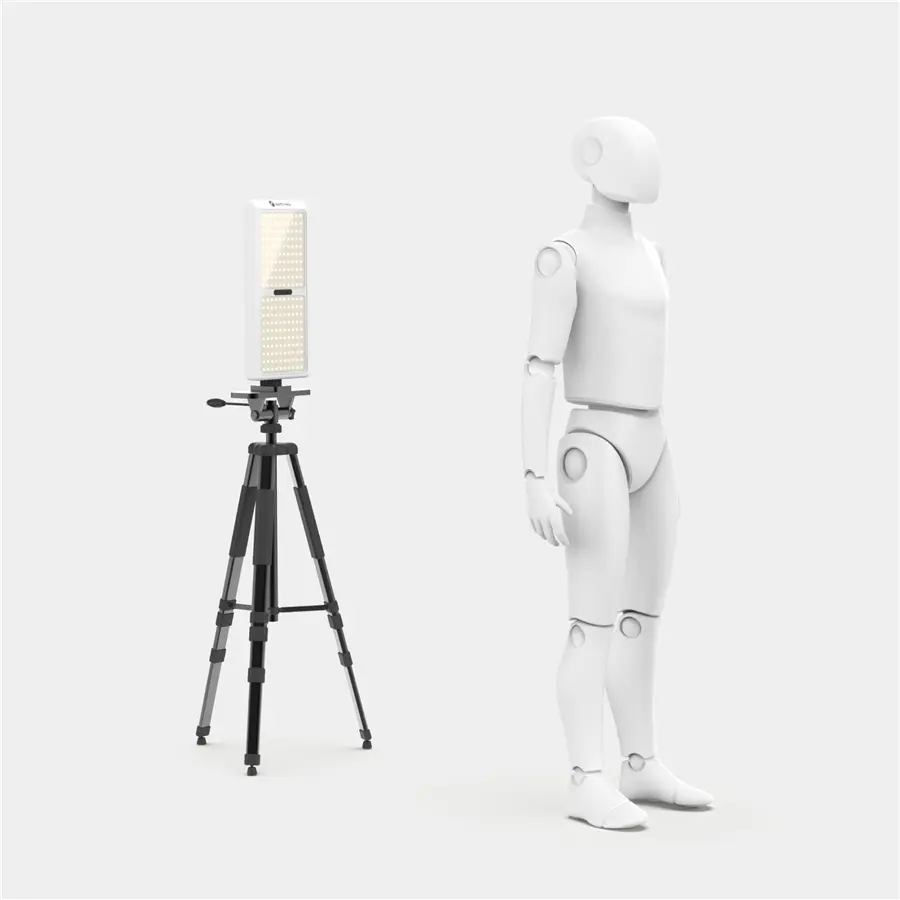
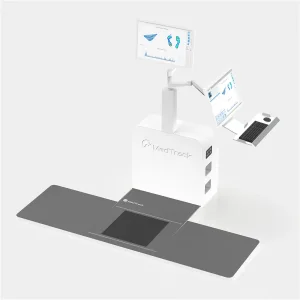
3D spinal posture portable measurement aimed at professional medical organizations, physique health and adolescent scoliosis screening in the direction of professional application requirements.

Product model and Specifications:
• Number of sensors: 2292 (4 high-precision sensors) 
• Error rate: ≤ earth 2% of the maximum range; Acquisition frequency ≥ 400fps

Product Description

1

Product Introduction

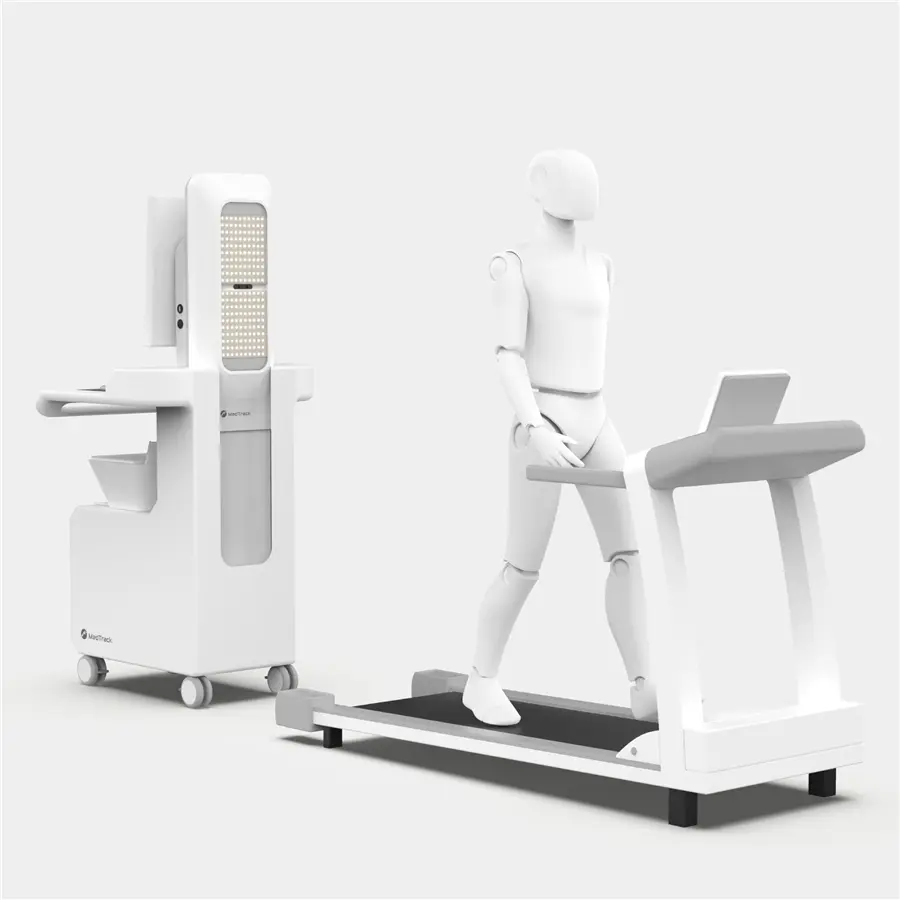
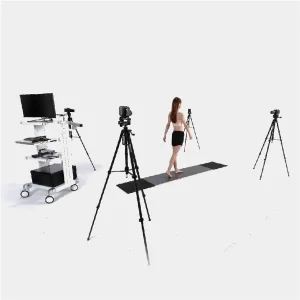
Spinal column posture assessment system in the field of 3D measurement and surface morphology analysis spine is the rely on high-tech products. The systems use Moore lines the terrain and the physical principle of optical triangulation, according to the spectrum of subjects back 3D scanning reconstruction, combined with built-in biomechanical model generation spine three-dimensional real-time image.
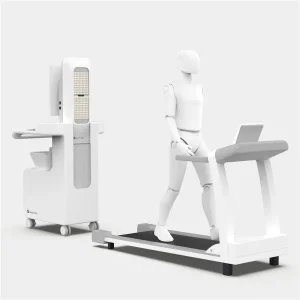
Combined with the plantar pressure running platform, the dynamic data of the spine were evaluated in the walking state. This is the application of 4D technology in the clinical field, focusing on functional evaluation, and truly reflecting the corresponding movement relationship of spine, pelvis, lower limbs and feet in the complete gait cycle. More accurate balance assessment and spinal posture prediction.
2

Product Features

4D Technology: (3D+ time) with extremely short exposure time to avoid motion artifacts.
Precision Compensation: Differences caused by inevitable body sway are compensated by averaging over a series of images, improving clinical accuracy through advanced camera systems.
Dynamic Measurement: Measures spine posture in motion, aiding the diagnosis of diseases not observable at rest.
Automated Analysis: Automatically detects anatomic landmarks including cervical vertebral spine (VP), left/right posterior spine (DL/DR), sacral nadir (SP), and vertebral rotation.
3

Clinical Application

Scoliosis & Scoliosis malposition
Long and short legs
Pelvic tilt, rotation, and twist
Postural related pain symptoms
Posture differences
Forward bend and hunch
Osteoporosis and arthropathy
Foot misalignment and correction
Insole treatment analysis
Gait imbalance and disturbance
Orthotic or prosthetic therapy
For more details regarding the 4D spine posture measurement system, including video demonstrations or detailed color pages, please refer to our technical documentation.

Frequently Asked Questions

What is 4D technology in spine assessment?
4D technology combines 3D surface scanning with the dimension of time. This allows for continuous measurement over a period, capturing the spine's behavior during motion and compensating for natural body sway to ensure higher data accuracy.
How does the system reconstruct the spine image?
The system utilizes Moore lines, topography, and optical triangulation. By scanning the subject's back and applying a built-in biomechanical model, it generates a real-time 3D reconstruction of the spinal column.
Why is dynamic measurement important for clinical diagnosis?
Many spinal conditions are functional and only manifest during movement. By evaluating the spine in a walking state (using a plantar pressure platform), clinicians can observe gait-related imbalances that are invisible during static rest.
Does the system require manual marking of anatomical points?
No, the system features advanced software that can automatically detect and identify key anatomical landmarks such as the cervical vertebral spine (VP), sacral nadir (SP), and posterior spines (DL/DR).
Is this system suitable for scoliosis monitoring?
Yes, it is highly effective for monitoring scoliosis, pelvic tilt, and vertebral rotation. It provides a radiation-free alternative for frequent postural assessments and treatment tracking.
How does the system help with insole or prosthetic therapy?
By analyzing the gait cycle and the relationship between the feet, lower limbs, and spine, the system provides precise data to customize insoles or prosthetics and evaluate their impact on the patient's overall posture.

Related Products