Tailored technologies to enhance clinical capacity, orthopedic accuracy, and neuro-rehabilitation throughout Rwandan medical networks.
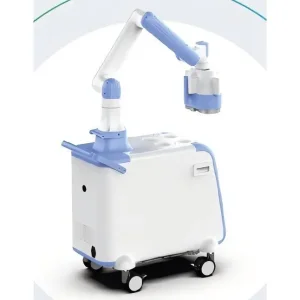
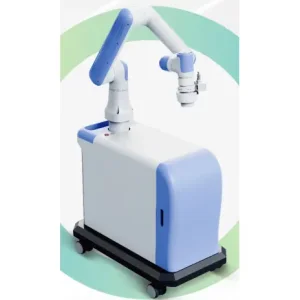
In recent years, East Africa, particularly Rwanda, has shown progressive integration of non-pharmacological therapies like Traditional Chinese Medicine (TCM) with modern physiological medicine. The Rwandan Ministry of Health is consistently working to expand access to comprehensive physical therapy and neuro-rehabilitation across provincial hospitals and community-based health settings.
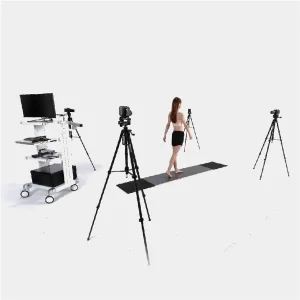
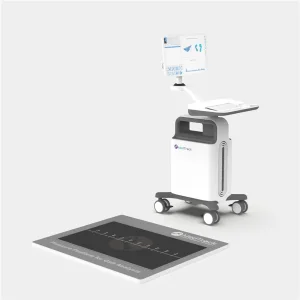
As urban areas like Kigali and rural districts experience a shift in disease profiles toward chronic musculoskeletal disorders, occupational injuries, and stroke recovery, traditional pharmaceutical protocols face clinical and cost limits. AI-integrated TCM therapies and computerized gait assessment tools provide a high-ROI solution for hospitals looking to optimize treatment durations and patient outcomes.
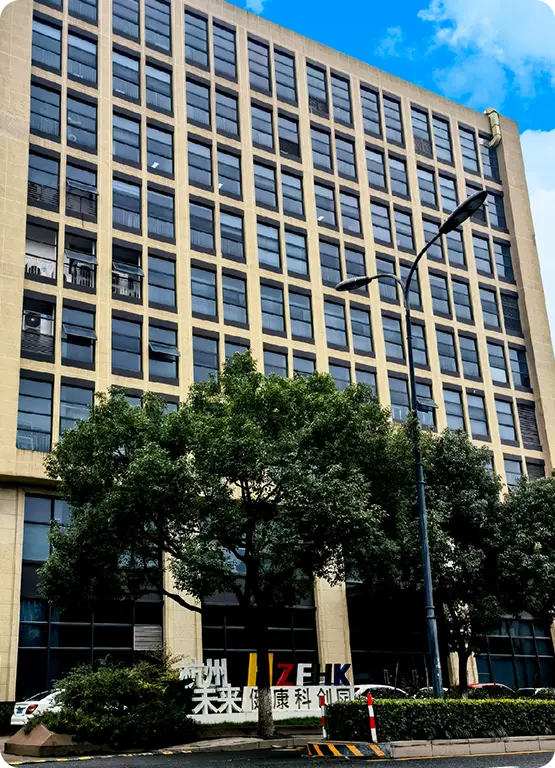
Combining academic research, clinical feedback, and high-capacity production line systems.
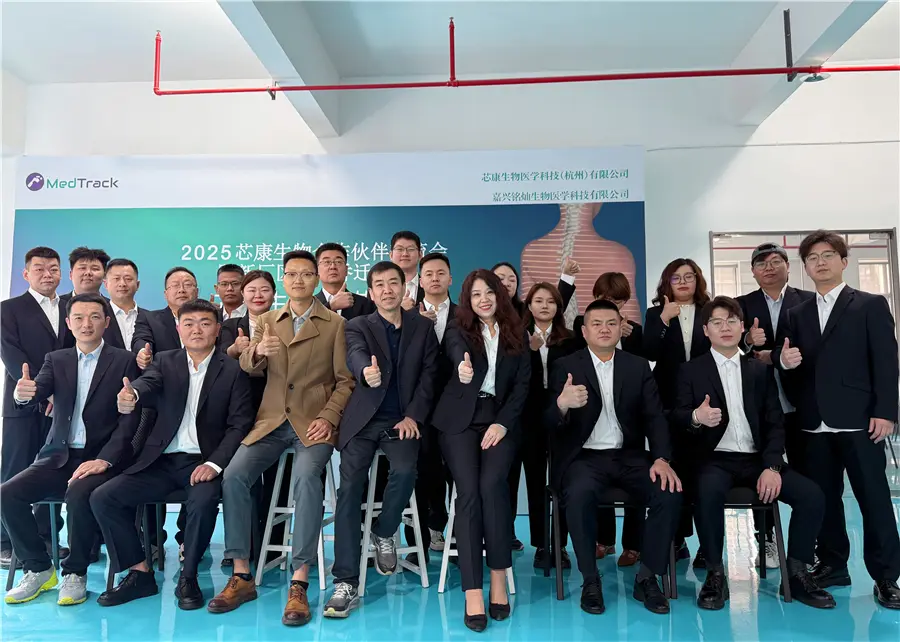
Xinkang Biomedical Technology (Hangzhou) Co., Ltd. is committed to improving life quality through advancements in pain rehabilitation, orthopedic therapy, neurological rehabilitation, and mobile medical systems. As a leading manufacturer of physical factor treatment systems, our products integrate electrotherapy, phototherapy, magnetic therapy, pressure compression, and robotic biomechanics.
By integrating traditional medical theory with computerized assessment mechanics, we supply modern equipment that standardizes patient evaluations. Our hardware and software are developed in-house, ensuring robust local data security, stable firmware updates, and simple operations.
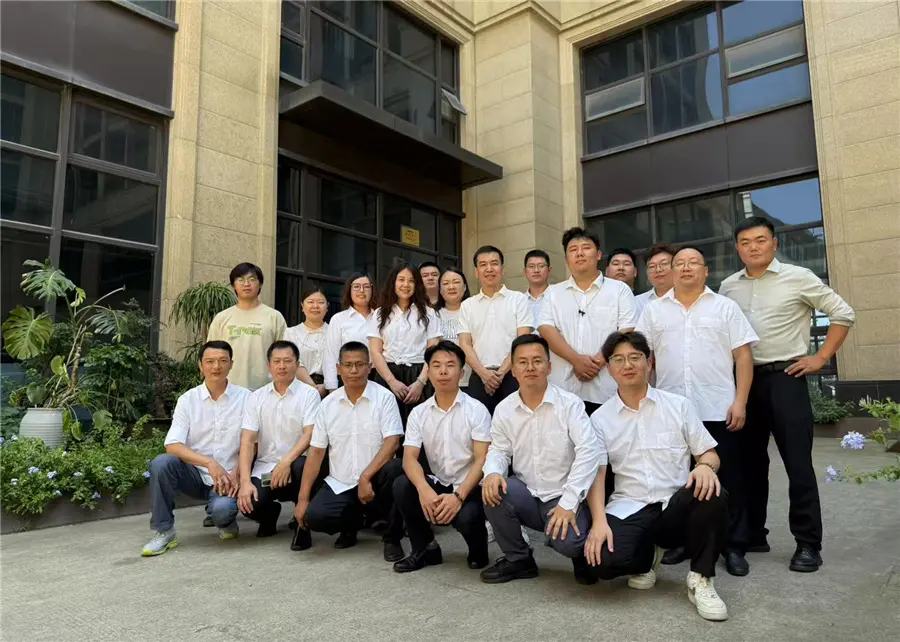
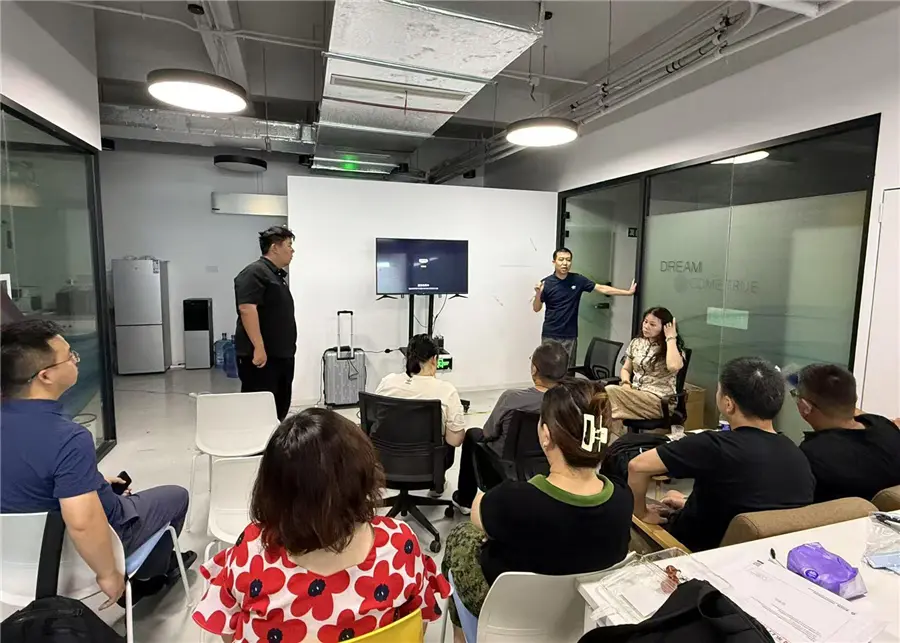
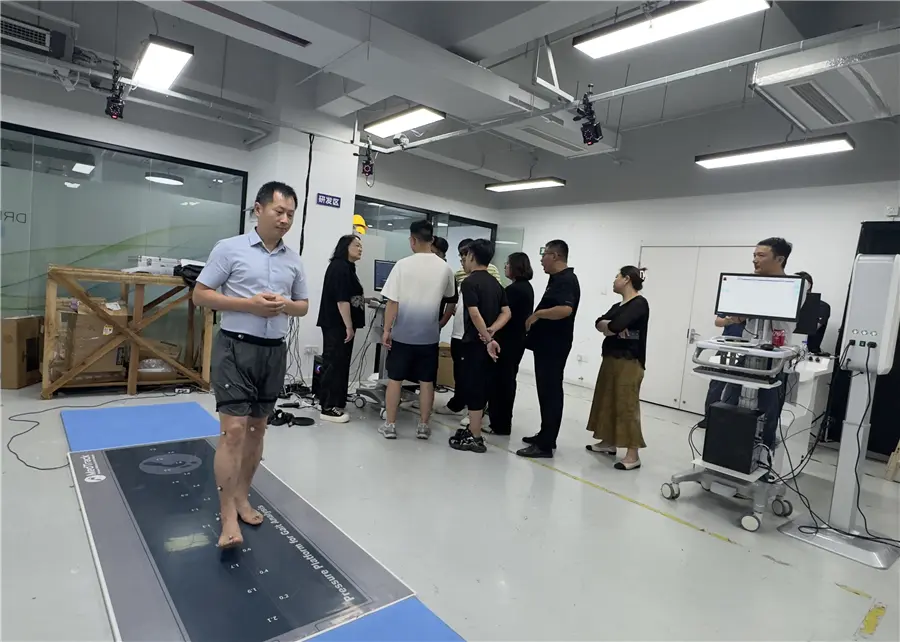
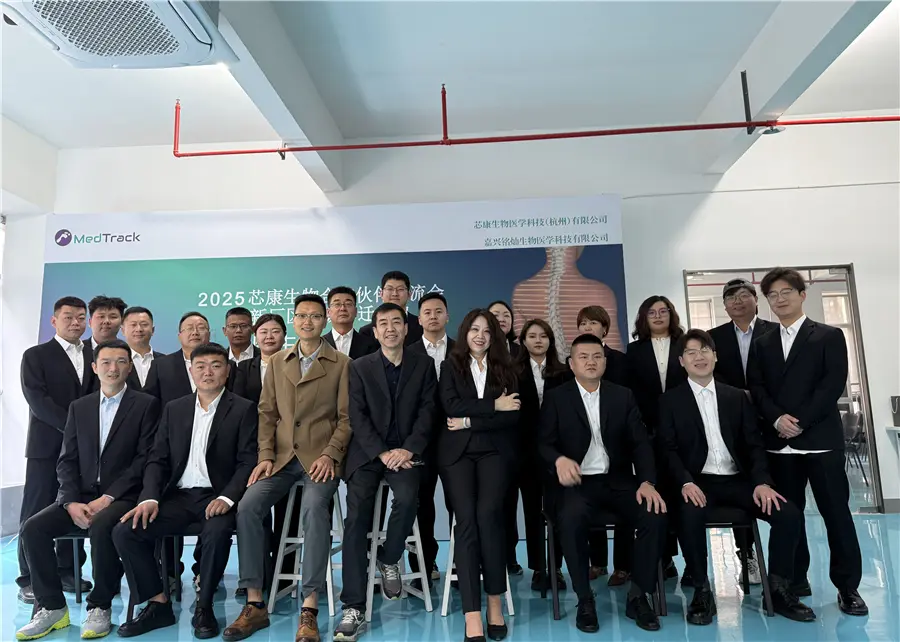
From highly regulated tertiary healthcare settings in China to clinical integration across East Africa.
In China, Xinkang products are installed in more than 75% of tertiary medical facilities and clinical rehab departments. Through active collaborations with universities, medical research institutions, and large diagnostic hubs, we have created an ecosystem that links R&D, clinical verification, and automated manufacturing.
This ensures every device supplied to Rwanda has been refined through clinical application cycles and verified by medical professionals globally.
View Research Publications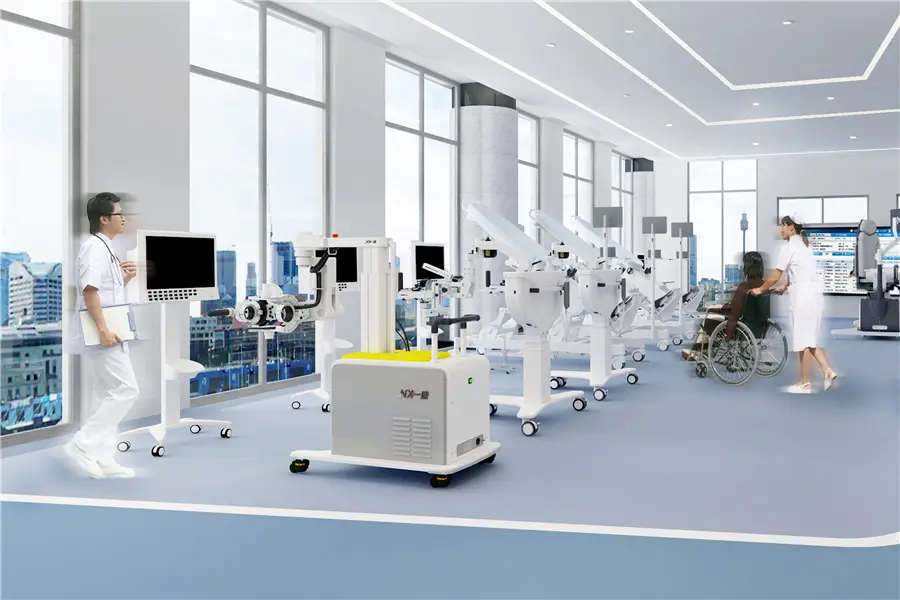
Overcoming logistical, quality control, and localization challenges in international medical device procurement.
Operating a 10,000+ sqm factory in the Yangtze River Delta with over 200 employees, 30+ standardized OEM production lines, and high-precision electronic testing systems.
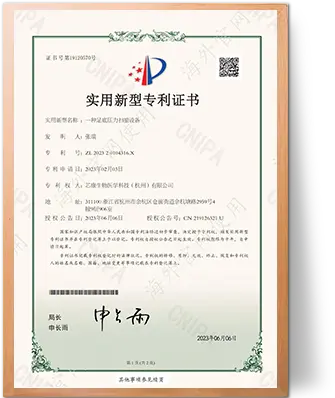
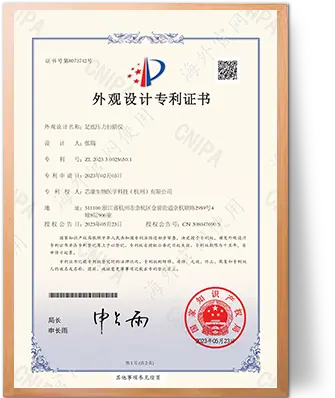
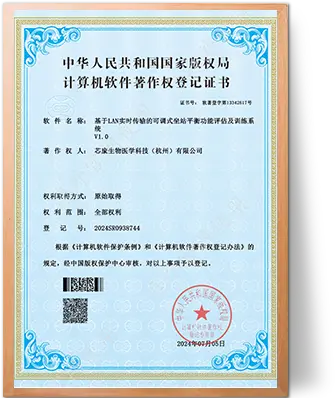
Our tech infrastructure includes 1 invention patent, 3 design patents, 7 utility model patents, and 13 software copyrights.
Our R&D team average 10+ years of device design experience, offering customizations for casing, software interfaces, voltage adaptations, and translation.
Exporting medical equipment to Rwanda requires alignment with the Rwanda Food and Drugs Authority (FDA) standards. Our production environment runs on strict quality control frameworks, carrying key international and domestic certifications.
We design all exported devices to withstand local grid variations, offering modular configurations, dust-proof enclosures, and tropicalized electrical insulation to ensure reliable clinical operation under diverse environment conditions.
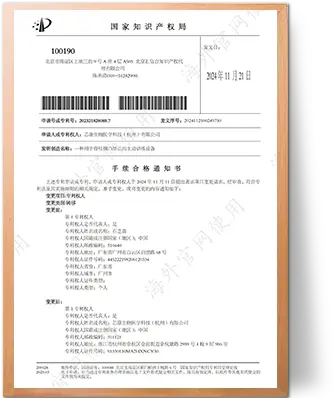
Engineered to deliver high precision, objective clinical tracking, and reliable operation for East African medical institutions.
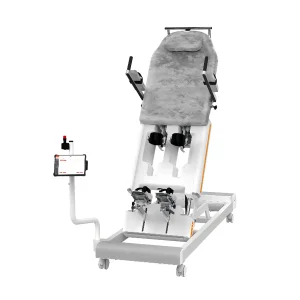
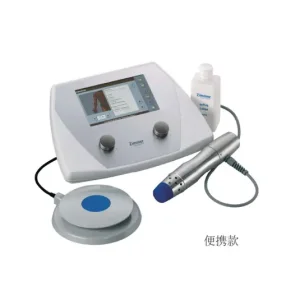
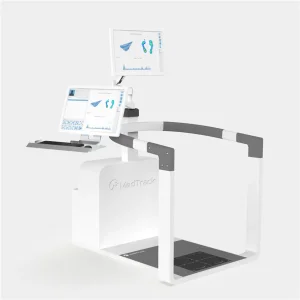
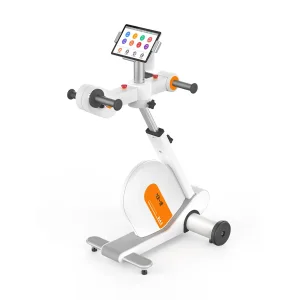
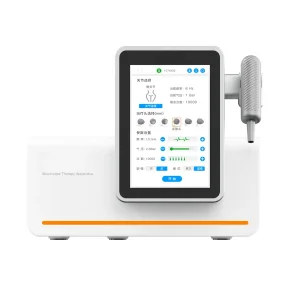
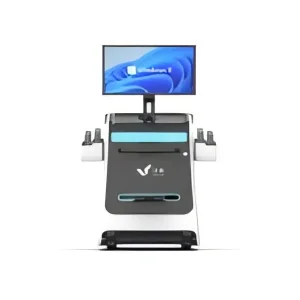
How healthcare institutes, clinics, and sport centers in Kigali and beyond apply these physical therapies.
Integrating Transcranial Electrical Stimulators (TES) and lower-limb feedback training systems helps post-stroke patients retrain neural pathways, restoring walking function faster than with manual therapy alone.
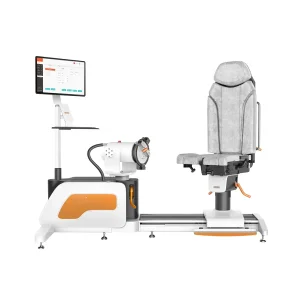
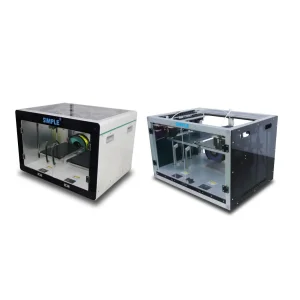
Sports clinics and training centers utilize multi-joint isokinetic assessment systems. By obtaining clear metrics on muscle output, coaches and therapists design custom rehab schedules using 3D-printed orthopedic insoles.
Automated moxibustion robots and electromagnetic shockwave systems offer non-invasive pain management for joint conditions, minimizing dependence on long-term pharmaceutical options.
Integrating automated rehabilitation equipment optimizes resources for health administrations:
Technical details, purchasing pathways, and regulatory insights for Rwandan B2B medical buyers.
 MedTrack