Advanced physical factor treatment platforms engineered for therapeutic efficiency, regulatory safety, and long-term durability in tropical environments.
Equatorial Guinea is currently undergoing an intensive structural diversification of its economy and national infrastructure. As one of the most prominent economies within the CEMAC (Central African Economic and Monetary Community) region, its capital Malabo and its primary mainland port Bata are rapidly becoming hubs for improved healthcare standards.
Historically dominated by resources development, the public health sector in Equatorial Guinea, supported by institutions like the INSESO (Instituto Nacional de Seguridad Social) and the Ministry of Health and Social Welfare (MINSABS), is executing targeted investment strategies to modernize municipal hospitals, provincial clinics, and rehabilitation facilities.
With the rapid growth of construction, maritime operations, and petroleum extraction, there is an escalating prevalence of occupational musculoskeletal disorders, orthopedic traumas, and complex neurological pain syndromes among the domestic workforce. Concurrently, the aging population requires modern intervention platforms to treat degenerative joint diseases without relying solely on pharmaceutical management, which often encounters logistics bottleneck challenges in West Africa.
Internationally, pain management has evolved from passive, localized relief mechanisms to active, biological tissue regeneration and neuroplastic modification. Modern pain management solutions require clinical equipment to generate deep-tissue biological reactions, speed up cell division, and enhance cellular energy.
The paradigm shift towards non-pharmacological therapies—championed by the World Health Organization (WHO)—has placed technologies like Extracorporeal Shock Wave Therapy (ESWT), Transcranial Electrical Stimulation (TES), and automated robotic gait systems at the forefront of modern medical procurement. These tools provide hospitals with measurable clinical outcomes, high patient compliance, and a significant reduction in long-term rehabilitation costs.
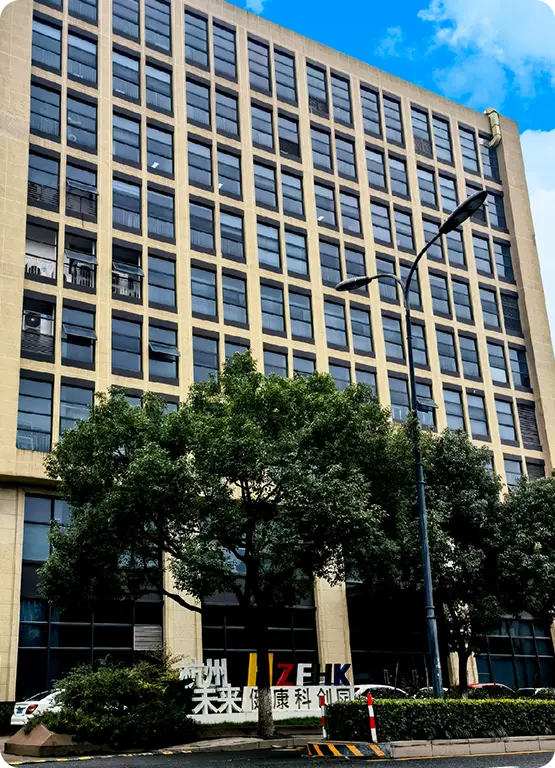
Establishing global standards in pain management and neurological rehabilitation technologies through deep R&D and integrated smart manufacturing.
Xinkang Biomedical is a leading pioneer in the engineering of clinical-grade physical factor treatment platforms. Our portfolio covers key rehabilitation domains including electrotherapy, light/laser therapy, magnetic stimulation, compression therapies, and advanced spinal/sports biomechanical assessment systems.
In the Chinese domestic market, our solutions have successfully integrated with over 75% of tertiary medical units (Grade-A clinical institutions) and major rehabilitation clinics, testifying to our technical reliability, clinical precision, and institutional compliance.
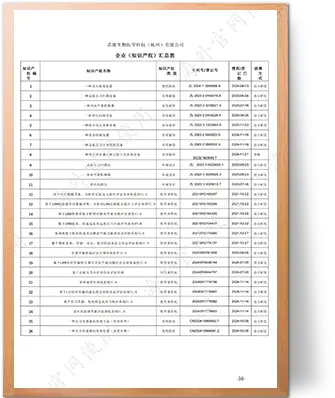
1 Invention Patent
3 Design Patents
7 Utility Model Patents
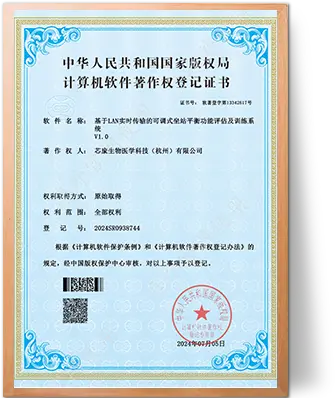
13 Software Copyrights
10 Registered Trademarks
5,000+ Institutional Clients & Distributors Globally
10,000+ SQM Cleanroom Assembly Area & R&D Hub
Leveraging the structural ecosystem of the Yangtze River Delta cluster to provide uninterrupted device delivery and technical services globally.
Understanding the strategic advantages that allow us to provide high-quality medical devices to the Central African market.
Our strategic localization in the Changshanjiao production supply chain zone gives us immediate access to raw materials, PCB assembly networks, high-precision machining plants, and specialized metalwork fabrication labs. This reduces production lead times and provides robust cost controls.
We work to ensure all components comply with national and international medical supervision and management frameworks. Our products undergo rigorous voltage stability stress testing, ultrasonic wave calibration, and electromagnetic compatibility tests before dispatch.
We configure our systems to handle the ambient conditions of Equatorial Guinea. This includes dual-voltage cooling architectures to withstand high relative humidity, tropical heat conditions, and power grid instability common in West Africa.
How public hospitals and private clinical centers leverage Xinkang Biomedical technologies to drive localized therapeutic initiatives.
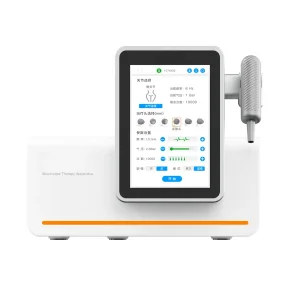
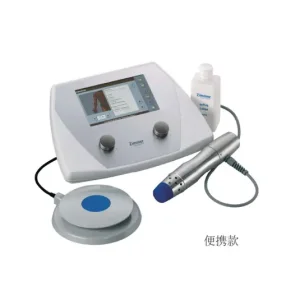
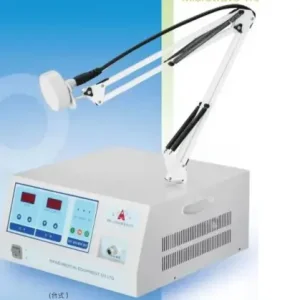
In large public hospitals, managing high outpatient volumes with varying pain profiles requires heavy-duty physical factor equipment. Our electromagnetic shock wave tools and compound wave dynamic electrotherapy apparatus are built for continuous operations.
Application Focus: Outpatient physical medicine departments, orthopedic post-surgery units, and neurological trauma wards. These non-invasive tools help reduce medication dependence, lower average inpatient stays, and accelerate functional recovery.
Onshore logistics yards and offshore marine ports in Bioko Island demand highly responsive physical therapy setups. Acute lower back pain, repetitive mechanical strains, and sciatic nerve issues are typical occupational challenges.
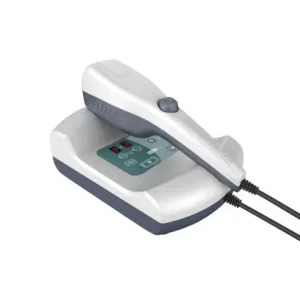
Application Focus: Rapid-response mobile units utilizing our handheld high-frequency therapeutic apparatus and robotic fascia release devices. They help deliver deep-tissue muscle relaxation and speed up recoveries, helping minimize employee downtime.
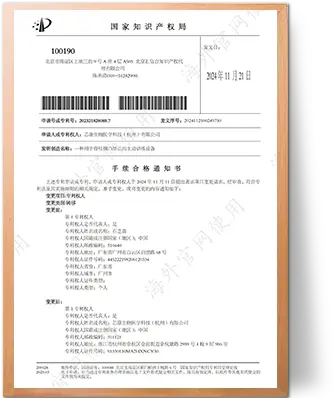
A visual overview of our sterile workspaces, specialized test equipment, and international quality management certificates.
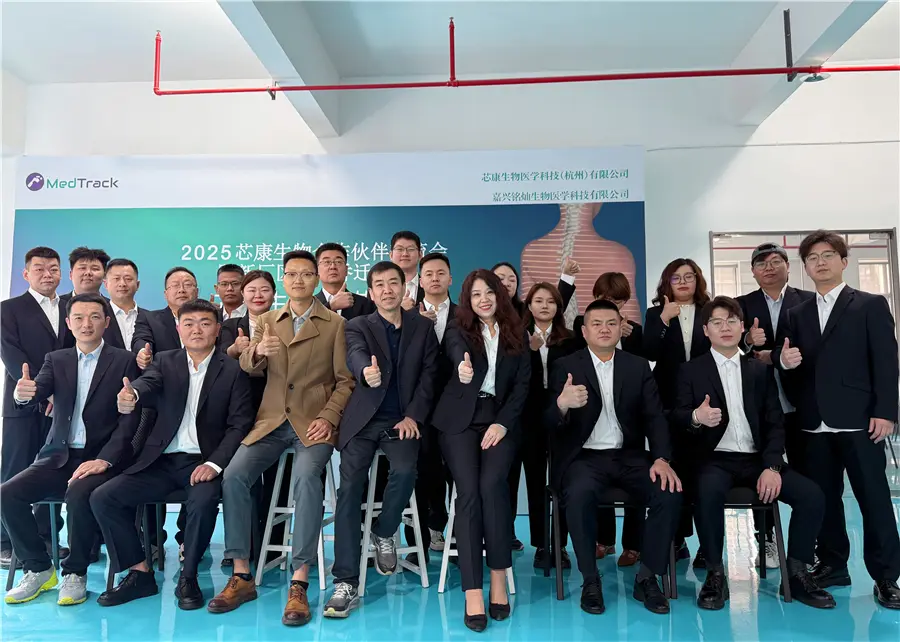
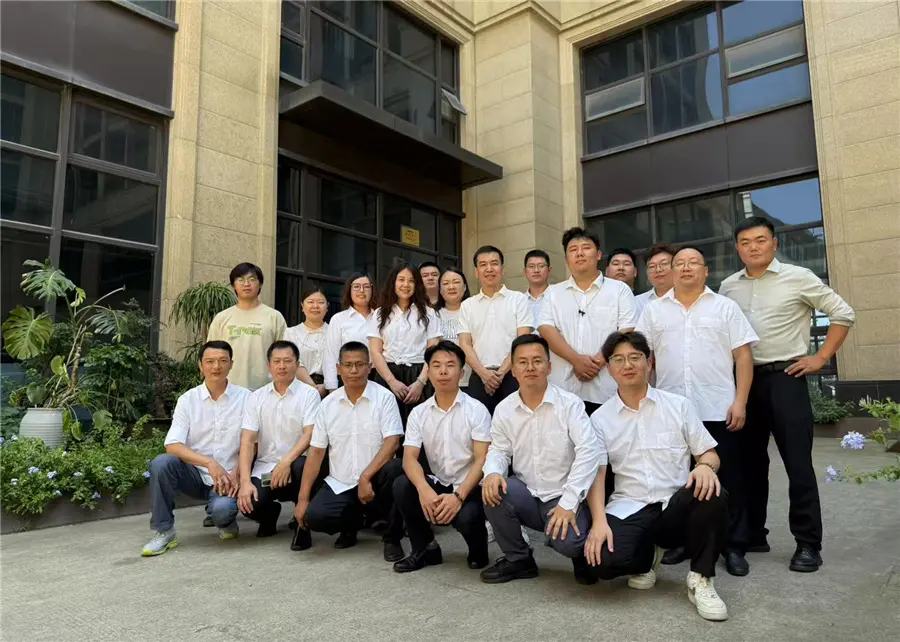
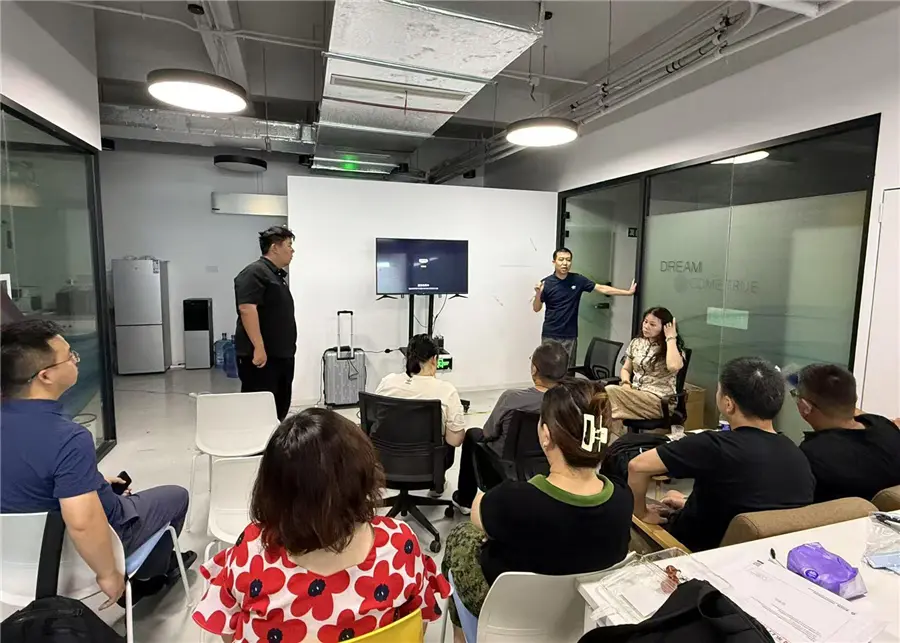
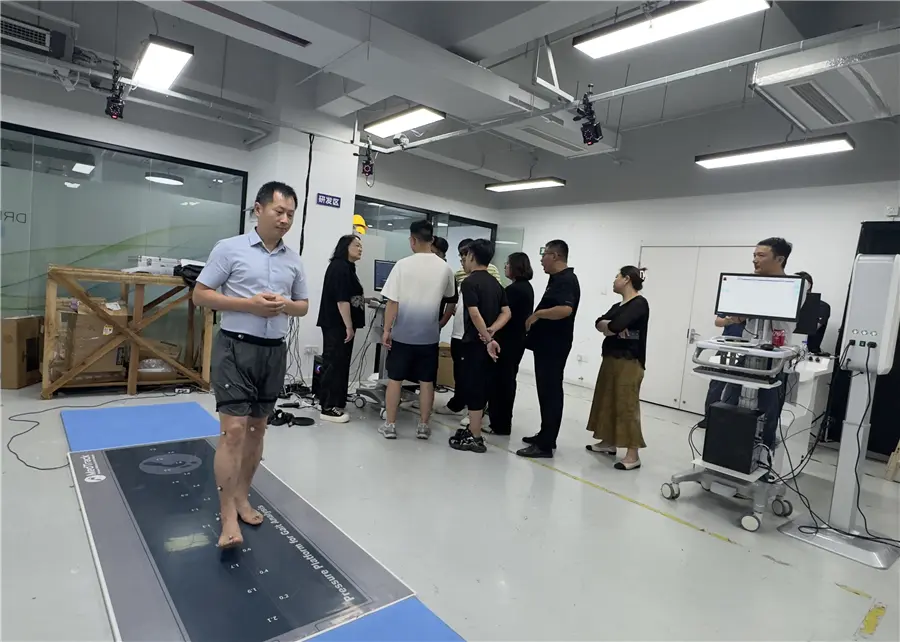
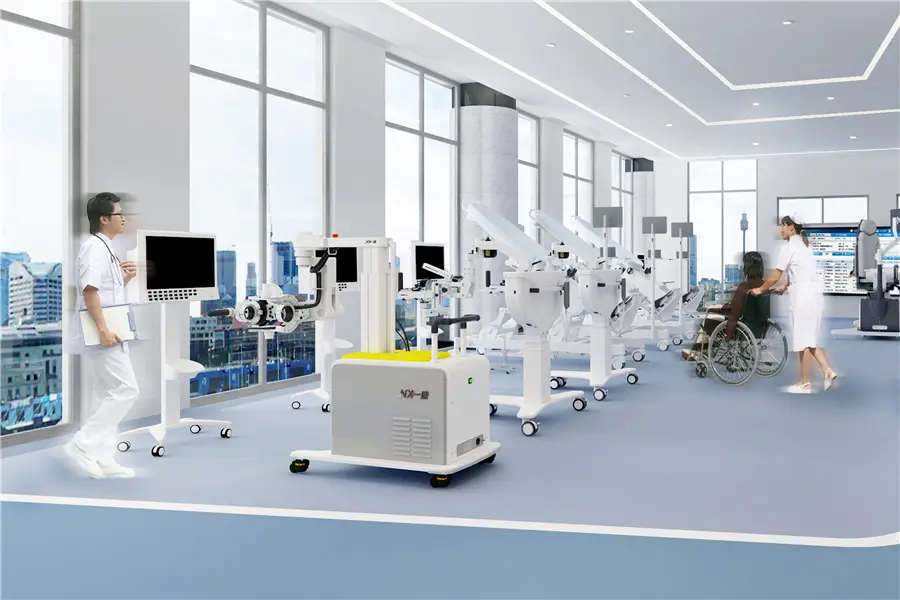
Our product development relies on continuous partnerships with research centers, universities, and clinical institutions. This collaborative framework ensures our designs align with current medical protocols and practical hospital realities.
For the Equatorial Guinean market, we extend this academic integration by offering remote education systems, comprehensive operational videos, and certified product training modules for local clinical teams.
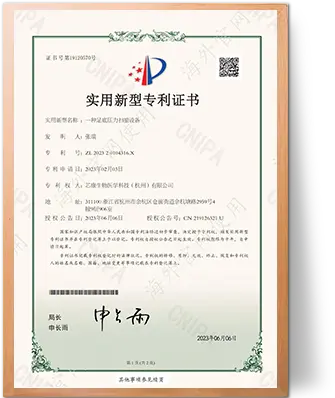
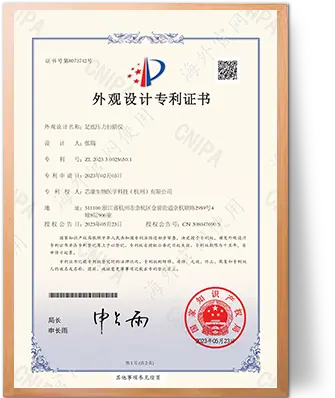
How physical therapy is incorporating modern automated robotics, closed-loop sensor tracking, and 3D printing technologies.
Exoskeleton gait trainers are transforming neurological recovery. These systems help rebuild motor pathways via intensive, repeatable movement patterns, reducing the physical strain on clinical staff.
Non-invasive neuromodulation using TMS and TES targets central pain signals in the cerebral cortex. This clinical pathway provides relief for neuropathic pain and treatment-resistant migraines.
Combining accurate diagnostic foot scanning with custom 3D insole printers allows clinics to create bespoke orthotics. This approach addresses posture-related foot disorders and localized joint stress.
Preserving all required factory inventory systems with full specification sheets, available for direct integration into Equatorial Guinea hospitals.
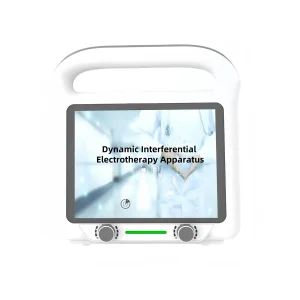
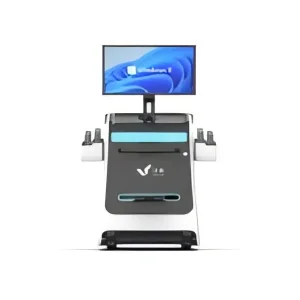
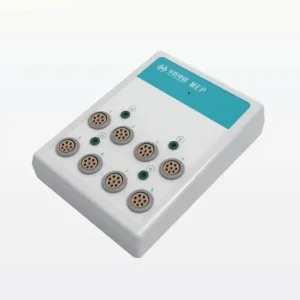
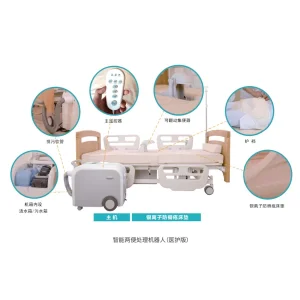
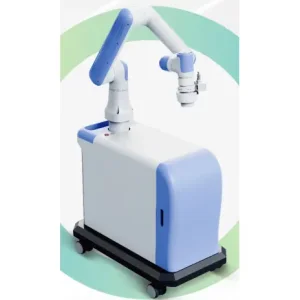
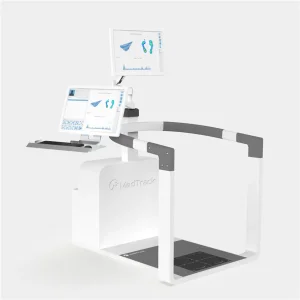
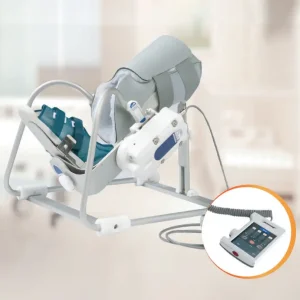
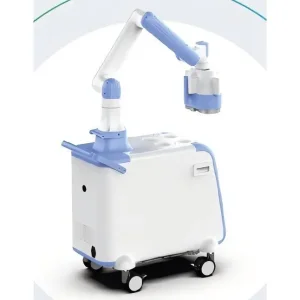
Ensuring full system access for hospitals in Malabo and Bata looking to expand treatment options.
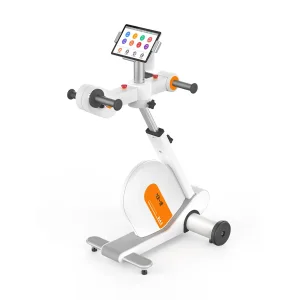
Key questions regarding importation, technical deployment, regulatory frameworks, and warranty operations in Equatorial Guinea.
Get in touch with our medical distribution specialists today to receive customized layout plans, technical parameters, and factory-direct pricing for the Equatorial Guinea market.
Send Inquiry Now MedTrack