Engineered for therapeutic excellence and high patient recovery rates. Our premium devices are designed for immediate integration into Windhoek, Swakopmund, and regional Namibian clinical centers.
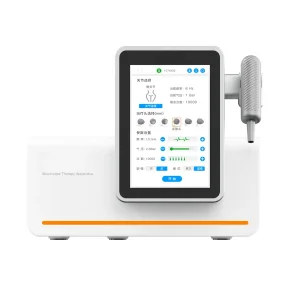
High-energy acoustic waves target localized musculoskeletal tissues to resolve chronic pain, speed recovery, and boost neovascularization.
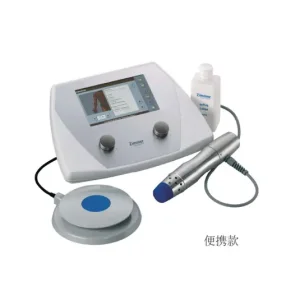
Precision-controlled electromagnetic pulses for deep tissue penetration, addressing plantar fasciitis, tendonitis, and joint calcification.
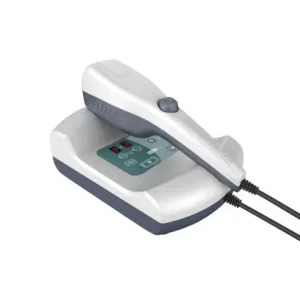
Dual-action ultrasonic waves coupled with advanced diagnostics, offering deep thermal penetration to accelerate myofascial recovery.
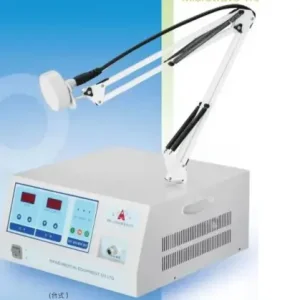
Compact and high-frequency microwave emissions that expand blood vessels, improve local microcirculation, and resolve muscle spasms.
Namibia's medical sector is undergoing a rapid modernization phase. Spurred by initiatives from the Ministry of Health and Social Services (MoHSS), there is an escalating need for non-invasive, evidence-based physical therapies. The prevalence of chronic pain stemming from occupational activities in key sectors—such as large-scale mining (uranium and diamonds), heavy agriculture, and maritime operations in Walvis Bay—requires state-of-the-art pain resolution technologies. Historically, chronic musculoskeletal pain has been managed with pharmaceutical interventions. However, the global shift toward minimizing opioid reliance has influenced Namibian clinicians to seek reliable, device-based physical therapies like Shock Wave Therapy (ESWT), High-Intensity Electrotherapy, and Targeted Magnetic Stimulation.
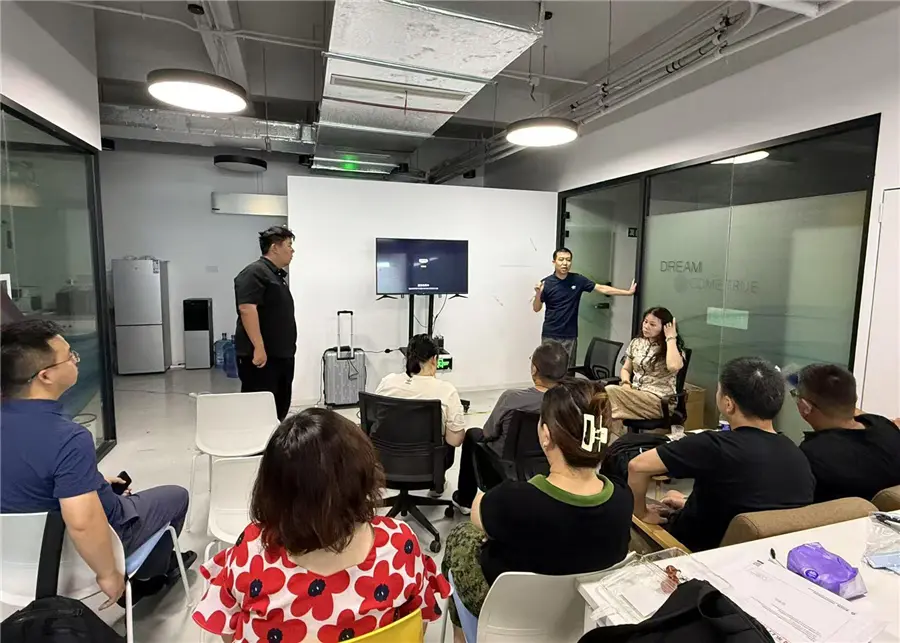
For B2B procurement professionals, medical distributors, and private hospital groups in Namibia (such as Mediclinic Windhoek and Roman Catholic Hospital), sourcing medical-grade equipment requires a meticulous balance of cost-efficiency, international compliance (CE, ISO 13485), and robust after-sales support. As a direct manufacturer, Xinkang Biomedical bridges the gap between advanced Chinese manufacturing capabilities and local African healthcare facilities, ensuring direct supply lines, customized training materials, and resilient hardware configurations capable of operating under regional power fluctuations and varied environmental conditions.
Effective pain resolution requires more than a single modality. Chronic inflammation, myofascial trigger points, and neuropathic pain require distinct biological stimulation. Xinkang’s range of physical factor treatment systems covers light, magnetic, electrical, ultrasonic, and mechanical forces, enabling a multi-modal approach:
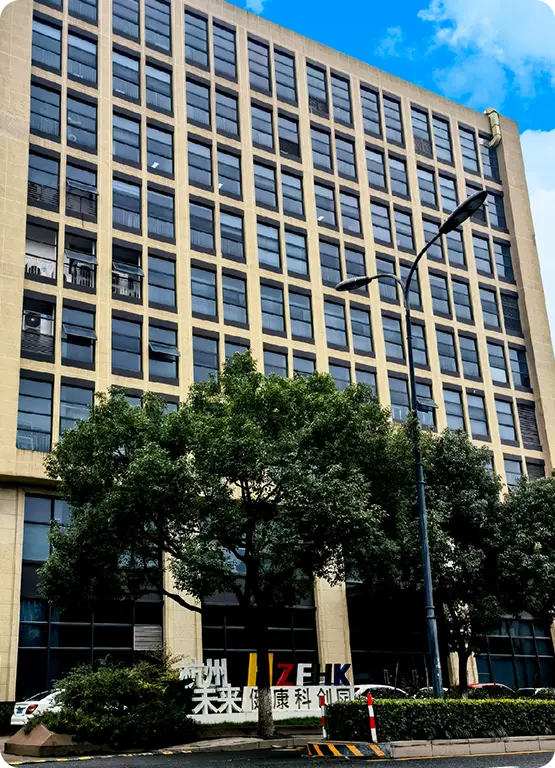
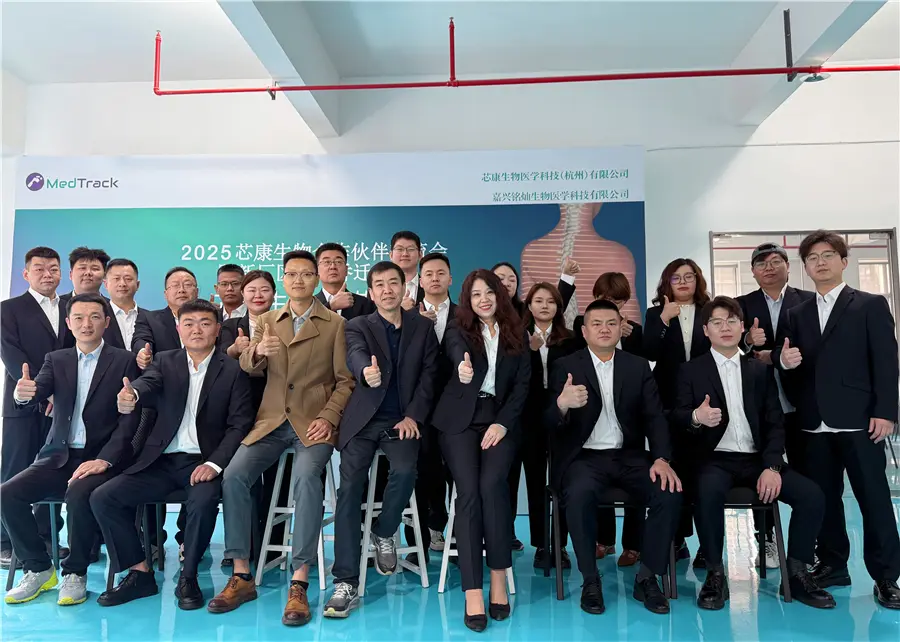
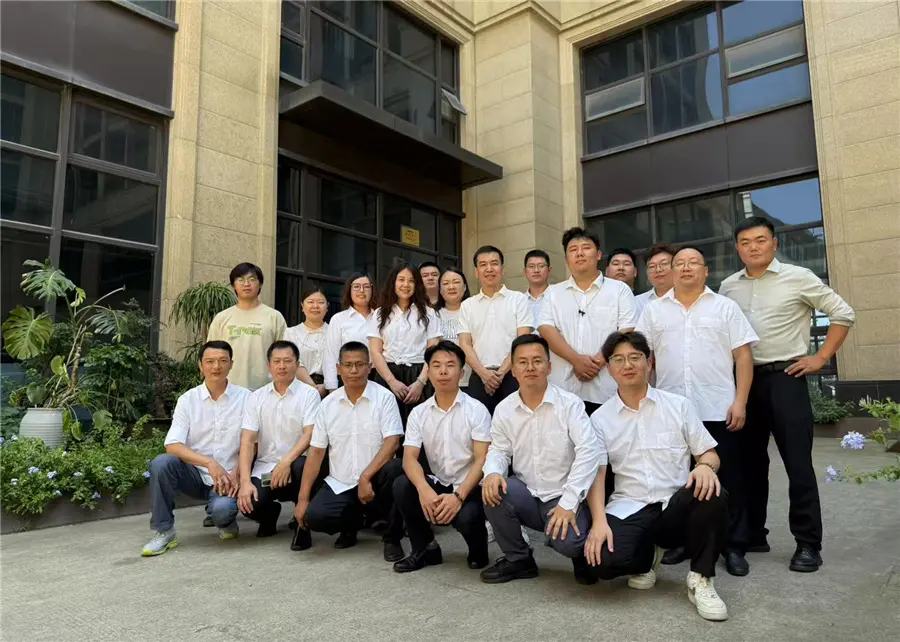
Based in Hangzhou, China, Xinkang Biomedical Technology Co., Ltd. has spent over 15 years concentrating on the research, development, and manufacturing of physical factor therapy devices. We manage a full-cycle, closed-loop operation that integrates hardware design, software development, clinical trial testing, and mass production. Our corporate philosophy centers around engineering high-durability, clinically proven apparatuses that meet the stringent demands of international healthcare registries.
In the domestic Chinese market, our equipment is deployed in over 75% of tertiary hospitals and rehabilitation facilities. We are now expanding our global footprint, establishing robust supply pipelines to African nations, particularly Namibia, South Africa, and Botswana, through strong B2B partnerships, OEM customization, and comprehensive logistics management.
Our development team comprises alumni from top global universities and research institutes. Our core assets include:
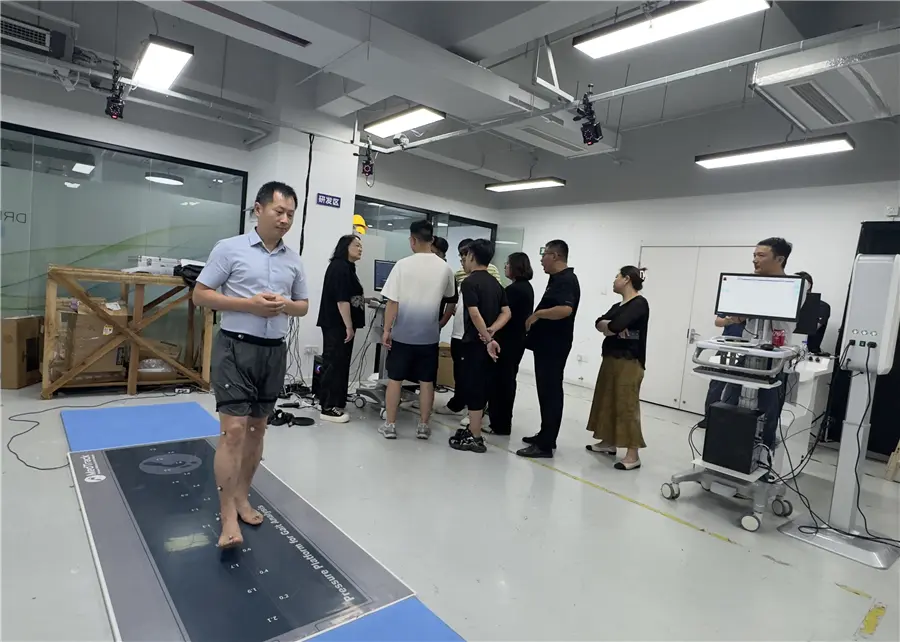
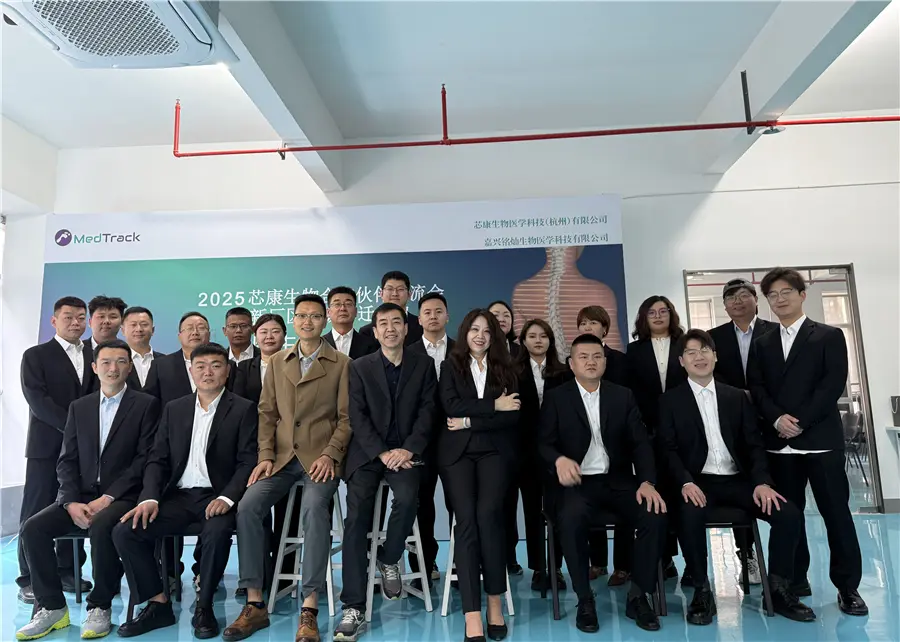
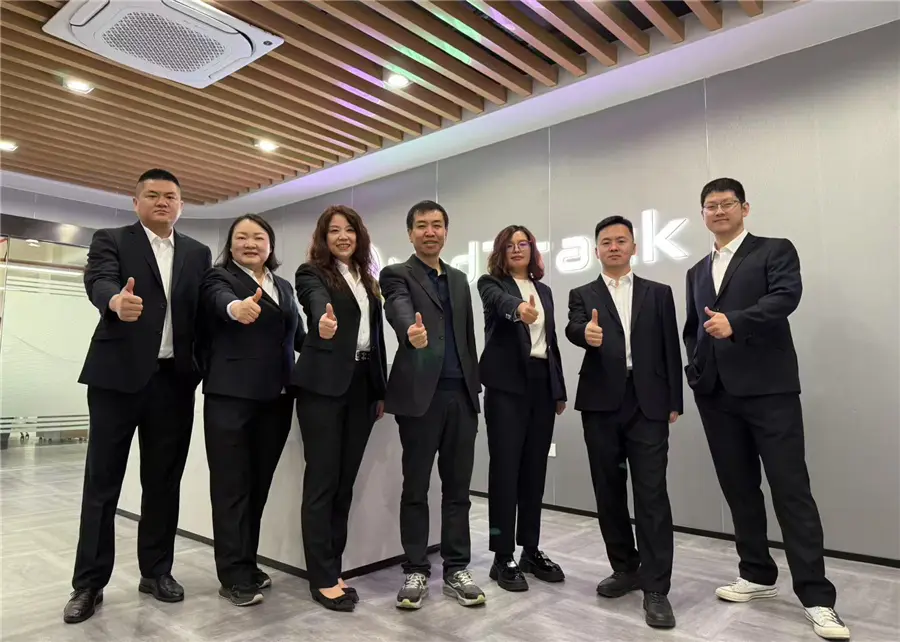
Choosing the right pain resolution system depends on the tissue pathology. Here is an overview of our main medical technologies.
Pneumatic ballistic systems accelerate a projectile to create mechanical pressure waves. This stimulates microcirculation, triggers bone remodeling, and breaks up tendon calcifications, making it highly effective for chronic enthesopathies and plantar heel pain.
Interferential current (IFC) and compound wave stimulation cross deep within muscle layers to block pain transmission paths (Gate Control Theory) and promote endogenous endorphin release. This provides temporary and long-term relief for chronic lower back pain.
Repetitive transcranial and peripheral magnetic stimulation uses high-intensity magnetic fields to depolarize peripheral nerves. This helps manage neuropathic pain and spasticity, and assists in post-stroke rehabilitation.
| Feature Parameter | Xinkang Smart Rehab Series | Standard Market Modalities | Clinical Advantages |
|---|---|---|---|
| Operating Interface | 10.4-inch Color Touch Screen with preset clinical protocols | Manual dial knobs or push buttons | Minimizes operator error, simplifies training for Namibian therapists. |
| Data Traceability | Stores up to 10,000+ patient treatment histories locally | None (Paper charts only) | Enables longitudinal studies and improves hospital audit success. |
| Energy Density (ESWT) | Continuously adjustable 0.1mJ/mm² to 0.55mJ/mm² | Fixed intervals (Low, Mid, High) | Allows customized dosing, reducing discomfort in sensitive patients. |
| Hardware Integration | Modular internal components with self-diagnostic software | Integrated single-board architecture | Simplifies maintenance: faulty modules can be swapped easily in remote locations. |
Explore our specialized technologies available for distribution, direct hospital purchase, and tenders in Namibia.
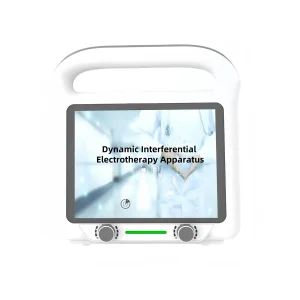
Employs multi-frequency compound waves for targeted muscle stimulation, pain relief, and restoring localized range of motion.
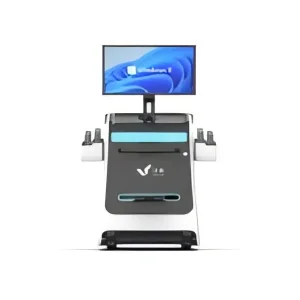
Wireless and multi-channel system designed for neurorehabilitation, treating insomnia, anxiety, and neuropathic headache syndromes.
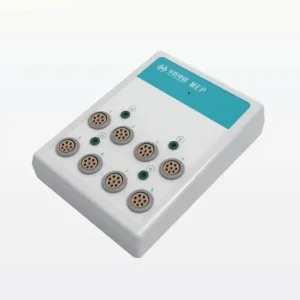
Combines robotic mobilization with deep transcranial/peripheral magnetic field stimulation to rehabilitate hemiplegic and paretic patients.
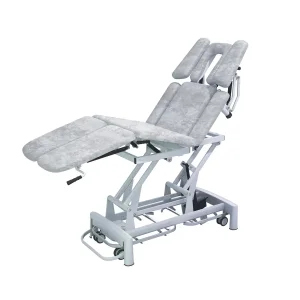
Heavy-duty, nine-section electric bed designed to facilitate manual therapy, postural drainage, traction, and physical assessments.
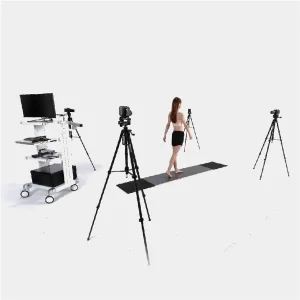
Utilizes high-speed sensors and AI cameras to diagnose balance disorders, kinematic deviations, and postural stability issues.
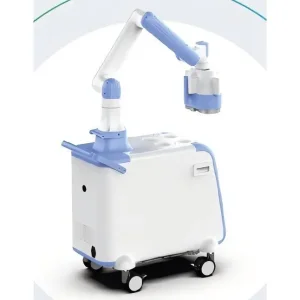
Automated, contact-free thermal application for pain relief. Simulates traditional moxibustion using modern temperature control.
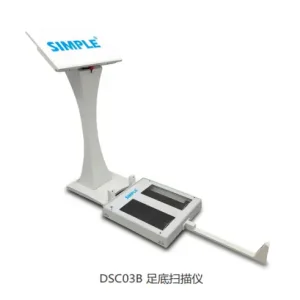
Instantly captures high-resolution 3D point clouds of the foot bed, providing precise measurements for bespoke orthotic manufacturing.
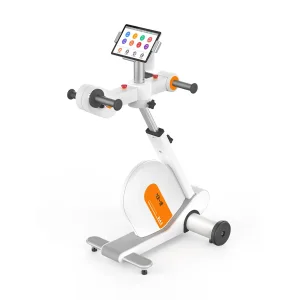
Intelligent motor-assisted cycles designed for bedridden, geriatric, or neurological patients to maintain mobility and strength.
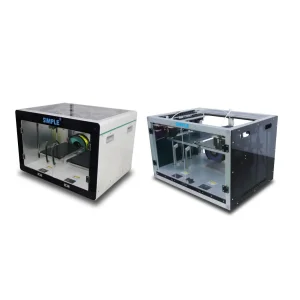
Commercial-grade 3D printer designed for clinic-side fabrication of orthopedic insoles based on 3D foot scans.
Our entire product line features modular electrical configurations (220V/50Hz compliance, robust surge protections) and user interfaces localized in English. Whether you are bidding for governmental tenders under the Ministry of Health and Social Services, or upgrading a private clinical center in Windhoek, Xinkang is equipped to manage containerized shipping, custom clearance facilitation, and technician certifications.
How we manage secure, certified, and compliant medical device delivery to Namibian ports and urban hubs.
All exports are shipped out of major Chinese terminals (Shanghai, Ningbo) directly to the Port of Walvis Bay. We generate full commercial documentation, including certificates of origin, detailed packing lists, and bill of lading files to accelerate local custom clearance processes in Namibia.
Our facilities are certified under ISO 13485 (Medical Devices Quality Management Systems). We supply medical registrations, CE self-declarations, and safety test reports to support local agents in registering our equipment with the Namibia Medicines Regulatory Council (NMRC).
Namibia’s electrical grid can face local voltage fluctuations. Our power transformers are engineered with integrated stabilizers and surge protectors. External covers use dust-resistant polymers to withstand dry, desert-adjacent climates.
At Xinkang Biomedical, each physical therapy machine undergoes a strict 4-step quality assurance program before packing and container loading:
Clinical, logistical, and technical queries answered by Xinkang's rehabilitation experts.
 MedTrack