Our flagship rehabilitation apparatuses engineered to deliver instant and long-term relief for neurological, musculoskeletal, and occupational orthopedic pain conditions.
The healthcare infrastructure of the Democratic Republic of the Congo (DRC) is undergoing rapid modernization. In regions like the Katanga copperbelt (including Lubumbashi and Kolwezi) and the metropolitan hub of Kinshasa, heavy industries such as mining, construction, and logistics form the backbone of the economy. However, these demanding manual industries lead to a high incidence of occupational injuries, musculoskeletal disorders (MSDs), and chronic pain syndromes among the workforce.
Traditionally, pain management in the DRC has relied heavily on pharmaceuticals. However, the global shift towards non-invasive, non-pharmacological therapies has highlighted a critical demand for advanced medical technologies. Equipment such as Extracorporeal Shock Wave Therapy (ESWT), magnetic stimulation, and intelligent feedback training systems are now recognized by local health directorates as vital tools to reduce long-term disability and accelerate patient recovery.
By supplying state-of-the-art pain resolution devices directly to local hospitals, physical therapy clinics, and corporate wellness medical centers in the DRC, Xinkang Biomedical Technology bridges the gap between advanced manufacturing capabilities and clinical demand.
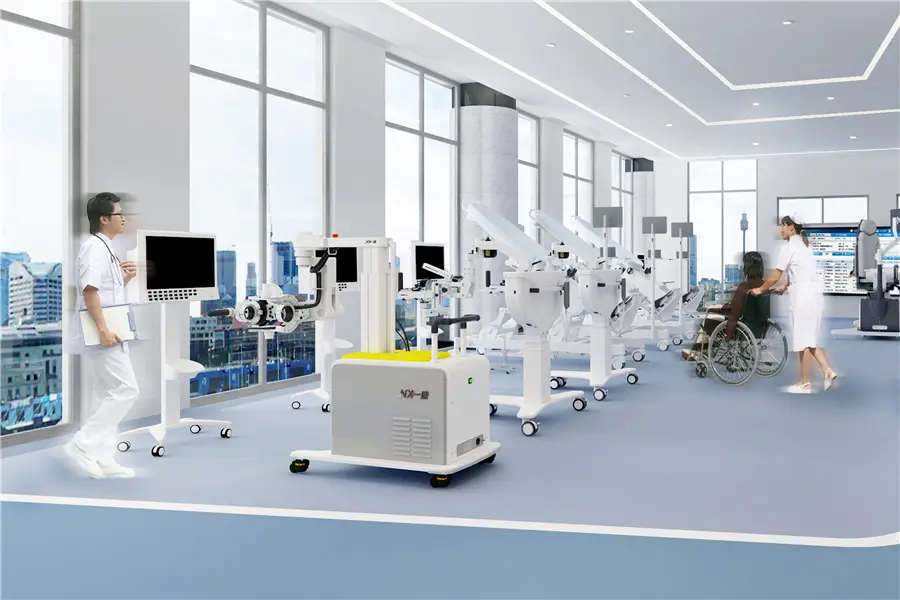
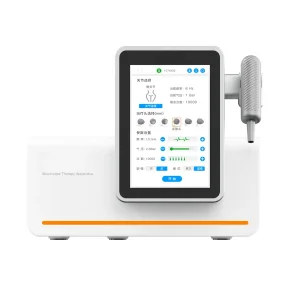
Heavy industrial and mining operations require rapid-response pain therapies like shockwave instruments to treat plantar fasciitis, tendonitis, and lower back strain among workers.
Integrating high-efficiency compound electrotherapy reduces dependency on expensive importation of recurring drug supplies, establishing sustainable medical protocols.
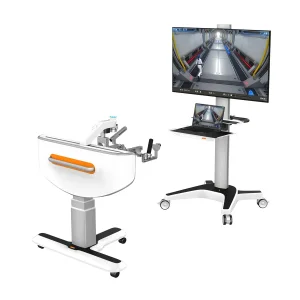
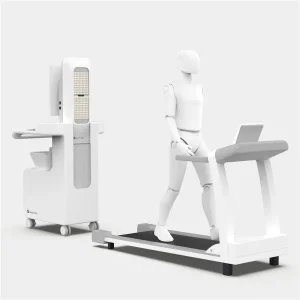
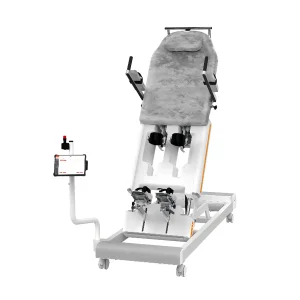
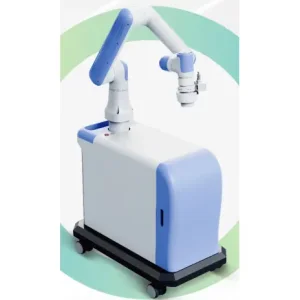
By adopting AI-assisted 3D spine measurements and robot-assisted recovery devices, DRC medical facilities can deliver top-tier therapeutic interventions directly.
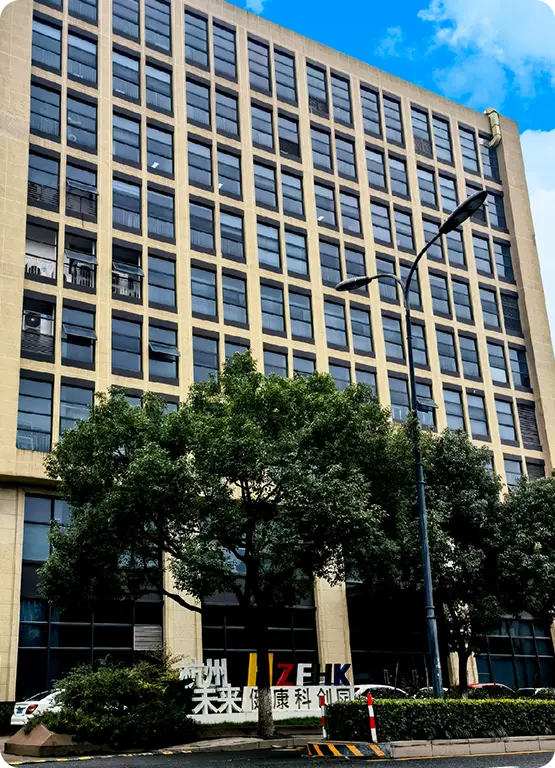
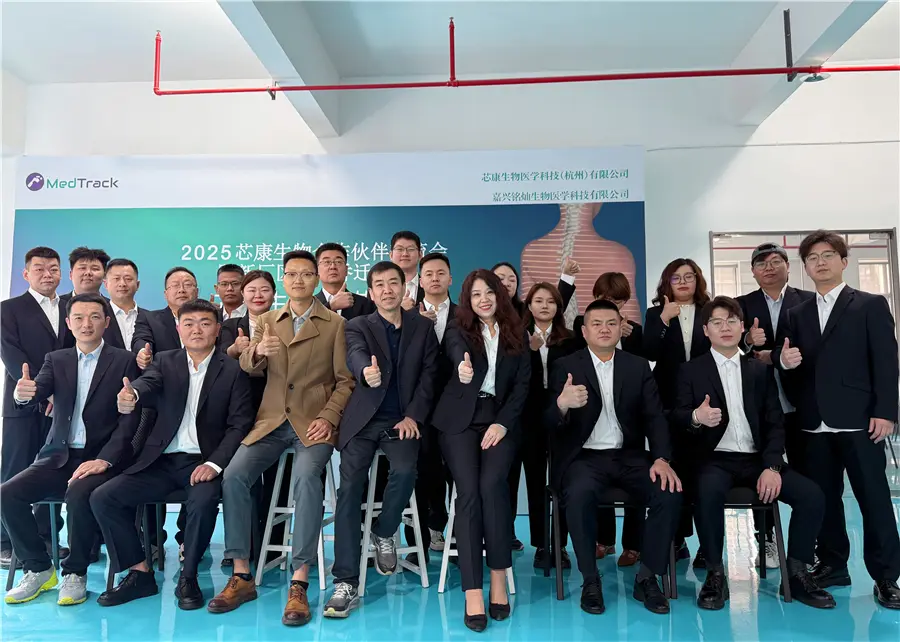
Xinkang Biomedical Technology (Hangzhou) Co., Ltd. is a leading developer and manufacturer of advanced rehabilitation medical devices. We are committed to improving quality of life through continuous innovation in physical therapy, pain management, neurological rehabilitation, and orthopedic orthotics.
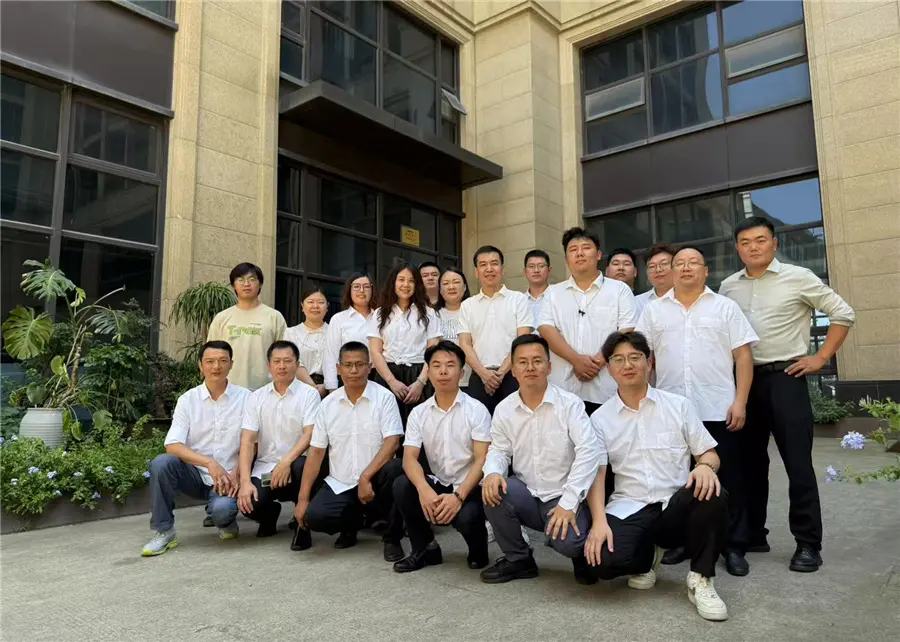
Our state-of-the-art production base covers more than 10,000 square meters, employing over 200 dedicated professionals, including top-tier R&D engineers from renowned universities. With more than 30 standard OEM production lines and specialized test equipment, we guarantee robust quality control conforming to international standards.
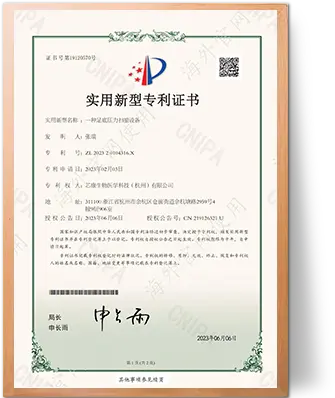
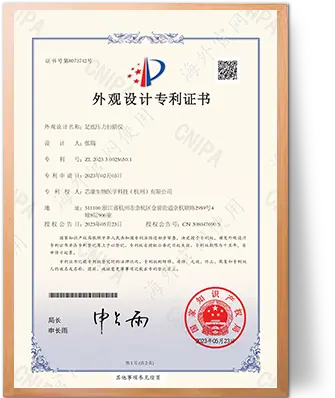
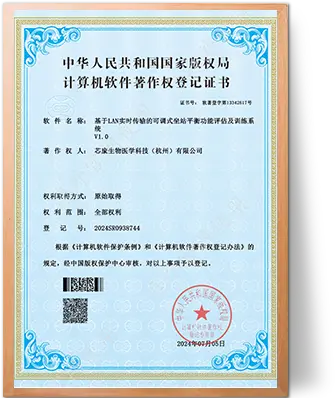
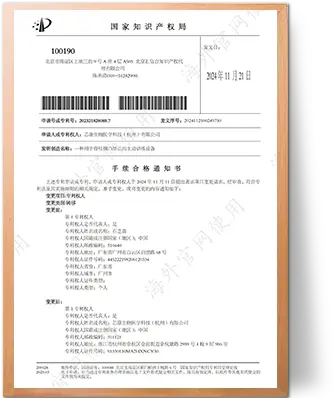
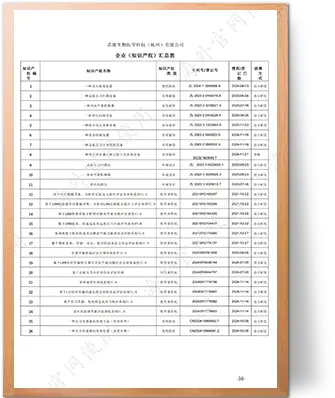
Our scientific output is backed by 1 invention patent, 3 design patents, 7 utility model patents, and 13 software copyrights. Through close academic and clinical cooperation with university research centers and tertiary hospitals, we have achieved a 75% market penetration rate in Chinese medical institutions.
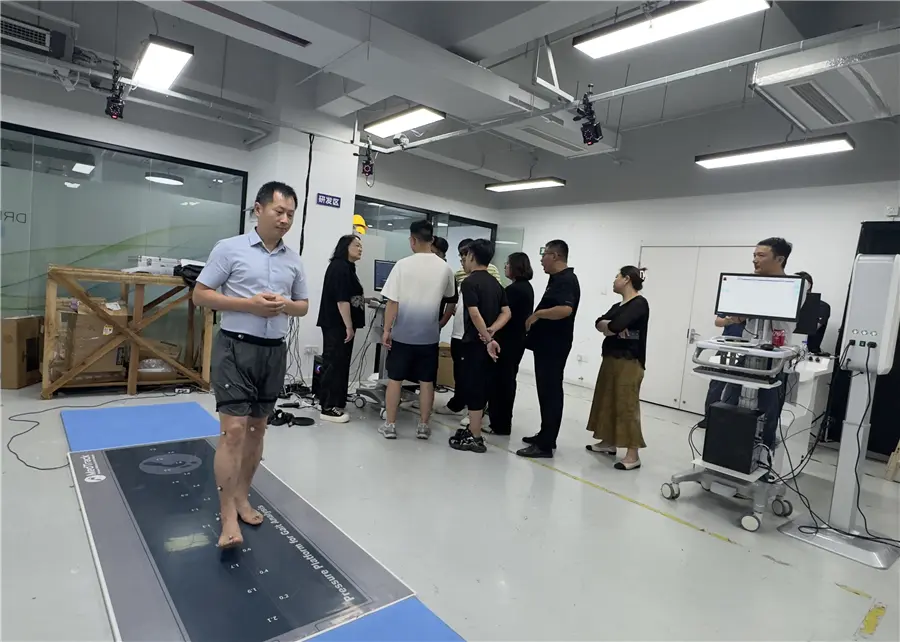
Our pain relief and electrotherapy machinery is built with rugged internal transformers and voltage stabilizers, protecting sensitive microelectronics against local grid instability common in parts of Central Africa.
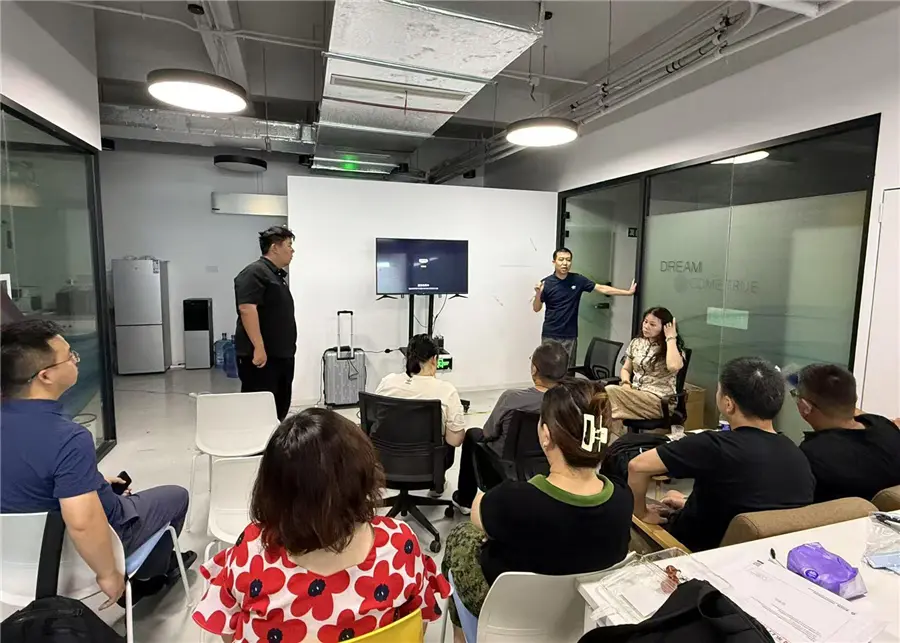
We provide extensive remote training, technical manuals, and video instructions for Congolese physicians, physiotherapists, and clinical operators to maximize treatment efficacy.
From device casing and software UI translations (French, Swahili, etc.) to brand labeling, we support local distributors in establishing strong, recognizable medical brands in Africa.
Procuring medical equipment for the DRC market demands stringent adherence to regulatory compliances. Our facilities strictly operate under the international quality management system of ISO 13485, and all devices are fully certified for safety and reliability. For shipments bound for the ports of Matadi, Boma, or directly to N'djili International Airport in Kinshasa, we coordinate with accredited international inspection agencies to issue the requisite Fiche de Déclaration à l'Importation (FDI) and secure local compliance clearance with the Office Congolais de Contrôle (OCC).
Explore our complete range of clinical systems, robotic training units, dynamic electrotherapy stimulators, and advanced orthotic manufacturing tools designed for comprehensive care.
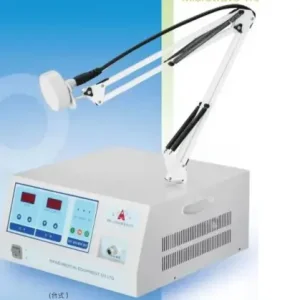
Our product design philosophy aligns directly with clinical efficacy requirements for tissue repair and neuromodulation. Understanding how physical factors interact with biological tissue is key to selecting the right technology for your hospital's orthopedics or rehabilitation departments:
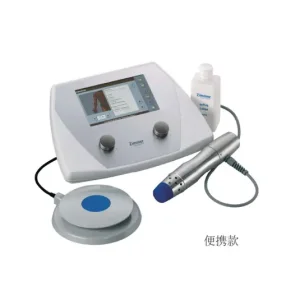
Shockwave therapy utilizes high-energy acoustic pulses to induce microtrauma within chronic lesions, triggering the body's natural healing cascade. By converting pneumatic kinetic energy or electromagnetic force into acoustic pressure waves, the treatment accelerates angiogenesis (the formation of new blood vessels), stimulates the release of growth factors, and resolves persistent calcifications.
Our Pneumatic Ballistic Shockwave Instrument offers deep mechanical penetration suited for larger muscle groups and calcified shoulder joints, while the Electromagnetic Ballistic variant delivers high-precision, focused energy suited for sensitive myofascial pain syndromic points.
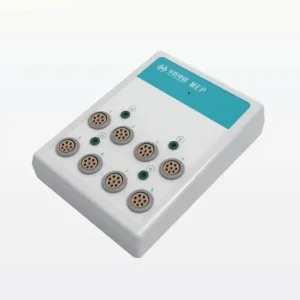
For neurological rehabilitation, managing neuropathic pain requires direct cerebral interface. The wireless TES technology permits non-invasive cortical current modulation. By applying mild microcurrents, this therapeutic pathway modulates neuroplasticity, decreases cortical hyperexcitability, and alleviates fibromyalgia, complex regional pain syndrome (CRPS), and post-stroke pain.
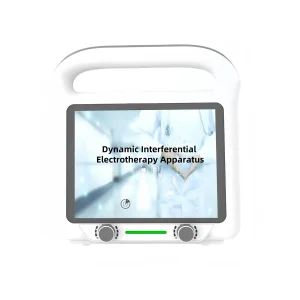
Conventional TENS often fails to reach deep joint structures due to skin impedance. Compound Wave Dynamic Interference Electrotherapy circumvents this by utilizing two intermediate-frequency currents that cross inside the targeted tissue. The resulting low-frequency interference wave targets deep visceral and articular nerve endings, causing profound analgesic block without skin irritation—perfect for lower back herniation and arthritic knee pain.
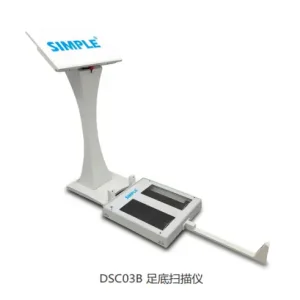
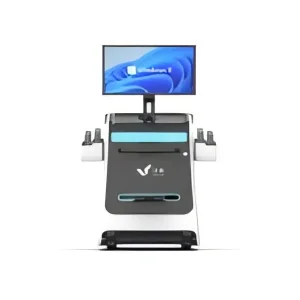
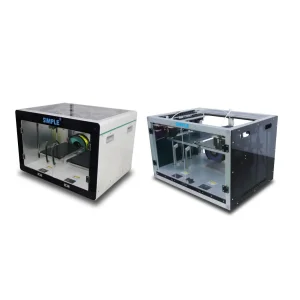
Frequently, chronic spine and joint pain stems from postural and pedal kinetic misalignment. Our integrated system utilizes a highly precise 3D Foot Scanner to capture structural biomechanical imbalances. This data is transferred to our custom-engineered 3D Insole Printer, allowing hospitals to fabricate personalized foot orthotics locally within hours. Correcting foot posture prevents ascending kinetic pain, protecting the knees, hips, and lumbar vertebrae from repetitive stress.
Partner with Xinkang Biomedical Technology. Contact our dedicated sales engineering division to discuss your bulk medical procurement, customize OEM parameters, or request comprehensive product catalogs.
 MedTrack