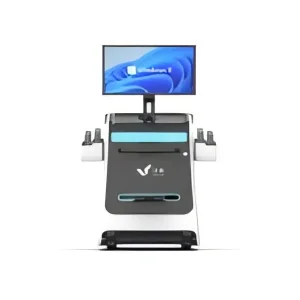
China Traction Table For Back Pain Manufacturer & Suppliers

Pioneering Intelligent Spinal Decompression & Advanced Rehabilitation Technology for Global Markets

🌐

Global Business Landscape of Traction Tables for Back Pain

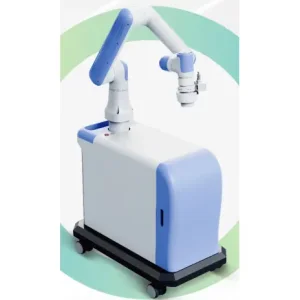
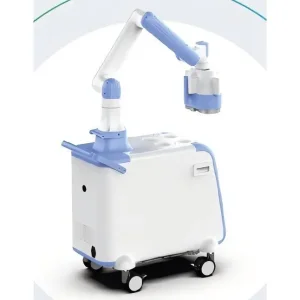
The global demand for Traction Tables for Back Pain has witnessed an unprecedented surge, driven by the rising prevalence of sedentary lifestyles, aging populations, and the shift toward non-invasive orthopedic treatments. In the professional medical landscape, mechanical traction and spinal decompression have moved beyond simple pulley systems into the realm of intelligent robotics. Today, manufacturers in China are at the forefront of this evolution, integrating high-precision sensors and AI algorithms to provide personalized therapeutic profiles.

📈 Market Development Trends

The industry is transitioning from "Static Traction" to "Dynamic Intelligent Decompression." Modern buyers now prioritize systems that offer:

  • Real-time biofeedback and load monitoring.
  • Multi-axial movement (3D space) to target specific vertebrae.
  • Cloud-based patient data management for long-term recovery tracking.
  • Integration with diagnostic imaging (MRI/X-ray) for precision targeting.

🌍 Global Procurement Demand

International medical institutions, from private chiropractic clinics in the US to large public hospitals in Europe and the Middle East, are seeking cost-effective yet highly reliable suppliers. There is a specific demand for:

  • CE and FDA compliance for safety assurance.
  • Modular designs for easy maintenance and localized technical support.
  • Customizable OEM/ODM solutions for brand differentiation.

🏥 Localized Application Scenarios

Traction tables are no longer restricted to hospitals. Their use has expanded into:

  • Sports Medicine Centers: For athlete recovery and spinal alignment.
  • Aged Care Facilities: Managing chronic degenerative disc diseases.
  • Home Healthcare (High-end): Portable or compact traction units for remote physiotherapy.

Xinkang Biomedical Technology (Hangzhou) Co., Ltd.

Professional Pain Management Experts & Leaders in Rehabilitation Medicine

30+ Years of Industry Experience
75% Tertiary Hospital Coverage in China
5000+ Global OEM Customers
10k+ Factory Area (Sqm)

Experts in Spine & Sports Therapy

Xinkang Biomedical Technology (Hangzhou) Co., Ltd. is committed to improving people's quality of life through innovation. We are a domestic leader in physical factor treatment products such as electrotherapy, light therapy, magnetic therapy, and spinal therapy products. Our R&D integrates industry, teaching, research, and medical care into a seamless application cycle.

Our Advantages as a Premier China Manufacturer

Combining Cost-Efficiency with High-End Engineering

⚙️

Complete Supply Chain Excellence

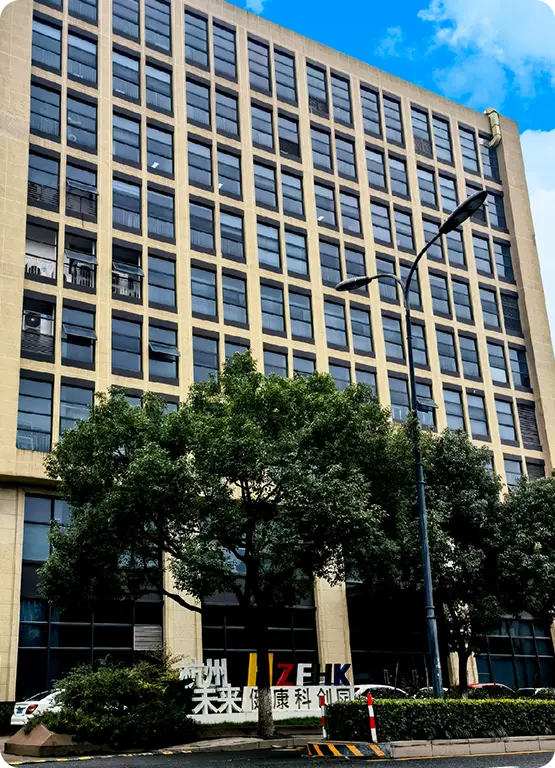
Located in Hangzhou, the heart of China’s high-tech medical production belt, we leverage a mature supply chain that allows for rapid prototyping and mass production without compromising quality.

🔬

Leading R&D Technology

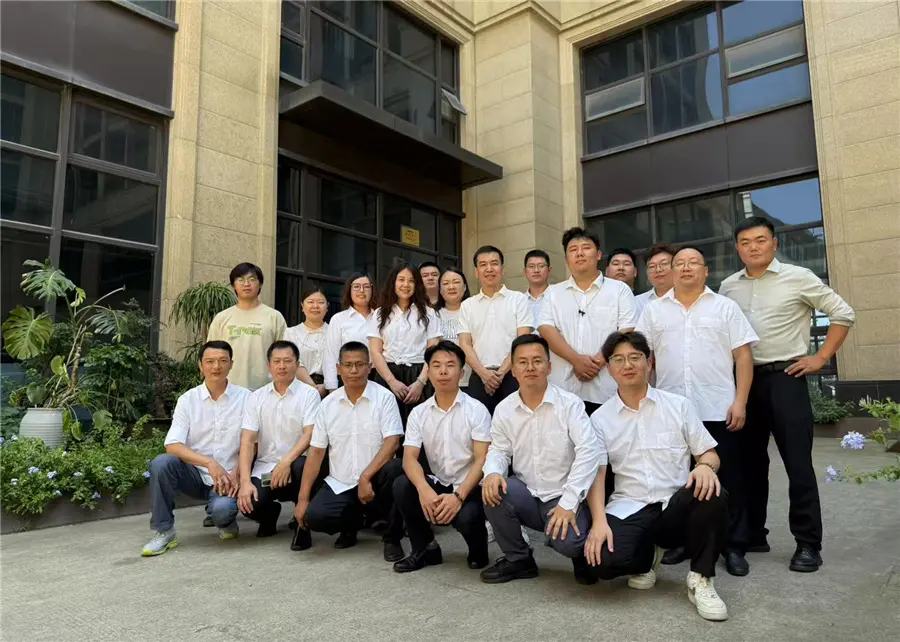
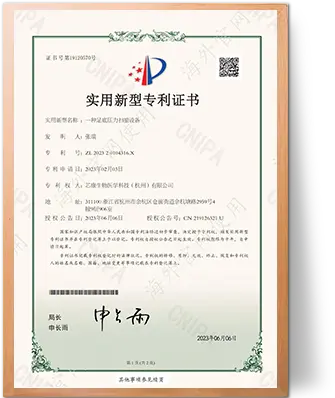
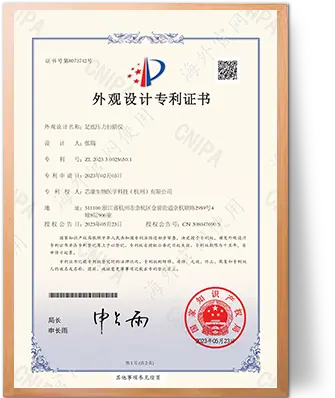
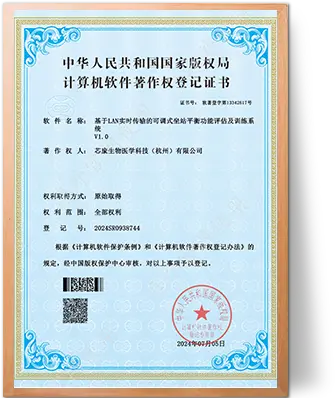
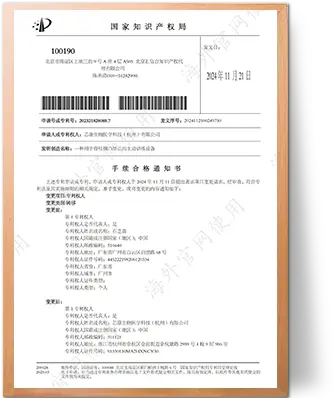
Our team consists of engineers from top-tier global universities. We hold 1 invention patent, 7 utility model patents, and 13 software copyrights, ensuring our traction tables and rehab robots are always at the cutting edge.

🛠️

Customized OEM/ODM Services

We provide personalized services including hardware design, software localization, brand building, and technical support. With over 30 standard OEM production lines, we can handle high-volume demands with ease.

🛡️

Strict Quality Control

Our manufacturing processes adhere to international standards. Each traction table undergoes rigorous stress testing and electronic calibration before shipment to ensure patient safety and device longevity.

Corporate Style & Global Reach

Market Impact

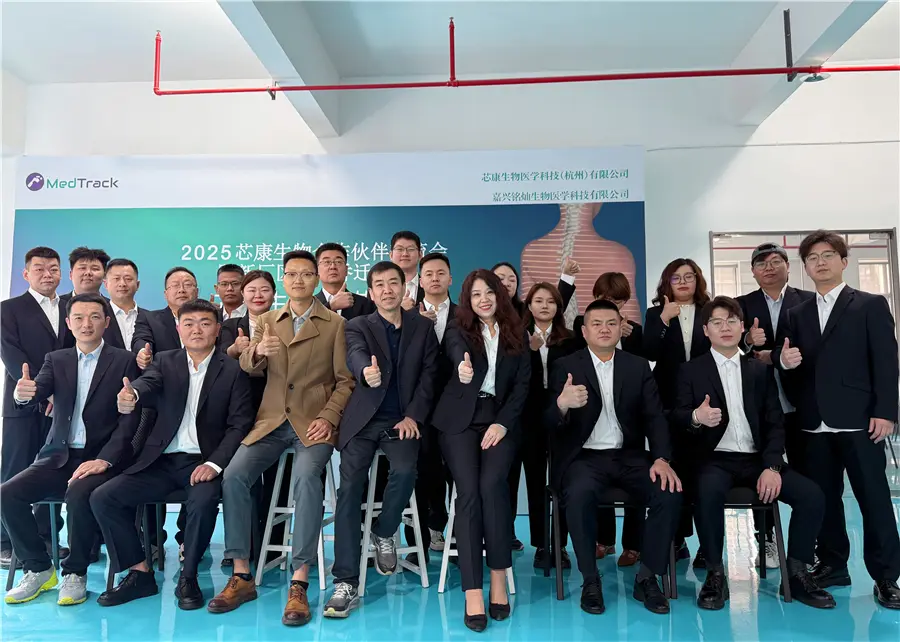
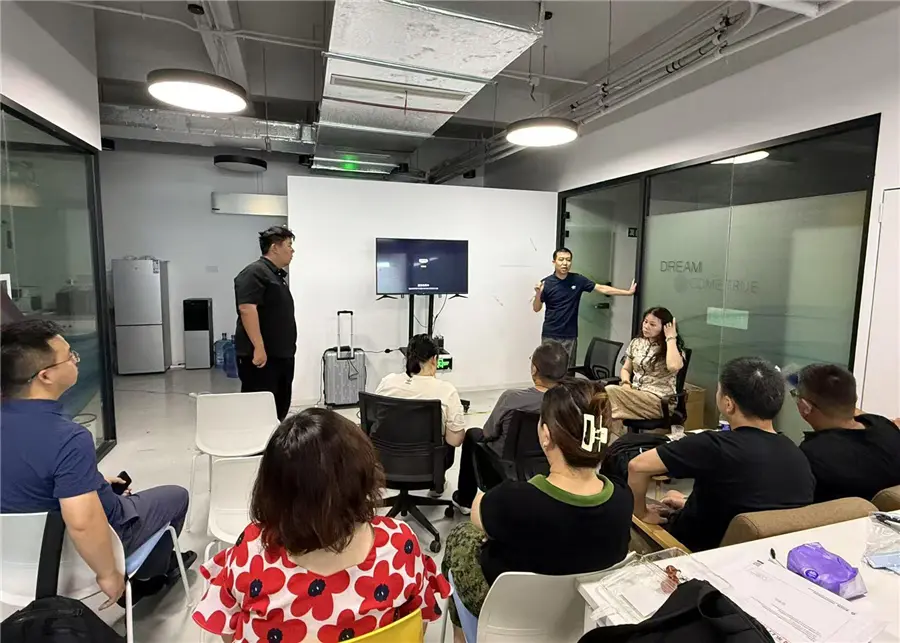
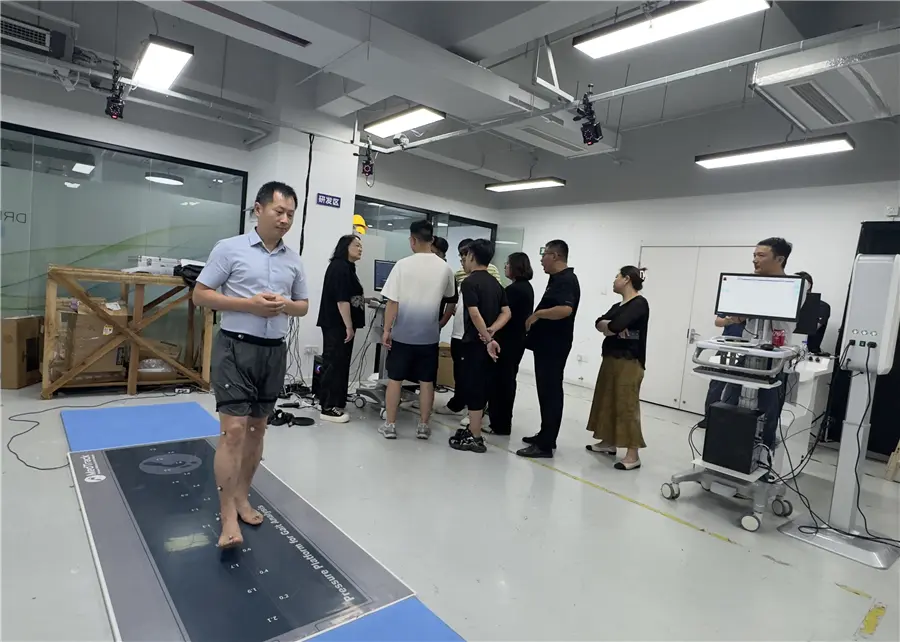
Through strategic solutions, we have built a systematic development model. In China, our products have covered more than 75% of tertiary medical units. Internationally, our reach spans across North America, Southeast Asia, and Europe, providing clinics with the reliable tools they need for effective spinal rehabilitation.

Cert 1 Cert 2 Cert 3 Cert 4

Comprehensive Guide to Selecting Traction Tables for Clinical Success

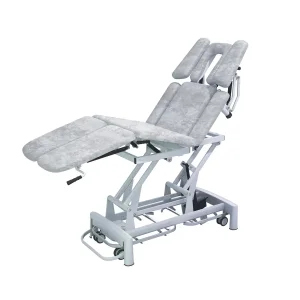
When sourcing a Traction Table for Back Pain, medical professionals must consider the therapeutic efficacy and the ergonomics of the equipment. For patients suffering from herniated discs, sciatica, or degenerative joint disease, the precision of the traction force is critical. Our tables utilize advanced digital control systems that allow for gradual force application, minimizing muscle guarding and maximizing patient comfort.

The Science of Spinal Decompression

Spinal decompression works by creating negative intradiscal pressure, which promotes the retraction or repositioning of the herniated disc material. It also creates a lower pressure in the disc that will cause an influx of healing nutrients and other substances into the disc. As a leading manufacturer, Xinkang Biomedical ensures that every machine is calibrated to deliver specific tension patterns—intermittent, static, or harmonic—based on clinical needs.

Technological Innovation in China

China's medical device industry has undergone a paradigm shift. We are no longer just a "production hub" but an "innovation powerhouse." By integrating IoT (Internet of Things) capabilities, our latest traction models can connect to a hospital’s central database, allowing therapists to monitor multiple patients simultaneously. This level of automation is essential for modern clinics looking to increase efficiency while maintaining high standards of care.

Our Commitment to Quality (E-E-A-T)

With over 30 years of manufacturing pedigree, we have refined our processes to meet the most stringent international standards. Our expertise is backed by a robust R&D team that continuously publishes academic findings and collaborates with top-tier universities. Trust is built through transparency, which is why we welcome all global clients to tour our 10,000sqm facility in Hangzhou and witness our quality control protocols first-hand.

Future Outlook

Looking ahead, we are investing in AI-driven diagnostic tools that can automatically suggest traction parameters based on a patient’s height, weight, and MRI results. We believe that the future of back pain management lies in the synergy between human expertise and robotic precision.