Stroke remains a leading cause of long-term disability worldwide. According to the World Stroke Organization, over 15 million people experience a stroke annually, creating a massive global demand for high-quality, clinical-grade rehabilitation equipment. The modern industrial landscape has shifted from simple manual therapy tools to complex, AI-driven robotic systems and intelligent feedback technologies.
In developed regions like North America and Europe, there is a significant push toward tele-rehabilitation and home-based recovery systems due to rising healthcare costs. Meanwhile, in emerging markets, the establishment of professional rehabilitation centers requires scalable and cost-effective solutions. As a premier China Stroke Patients Rehabilitation Supplier, we stand at the intersection of these trends, providing medical institutions worldwide with the professional tools needed to restore motor functions, improve neuroplasticity, and enhance the quality of life for survivors.
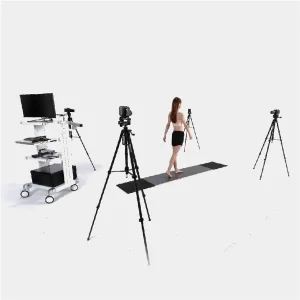
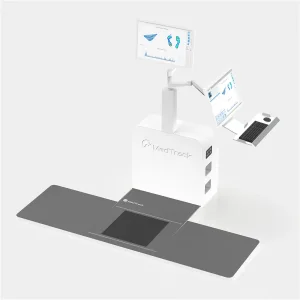
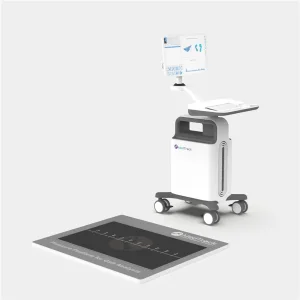
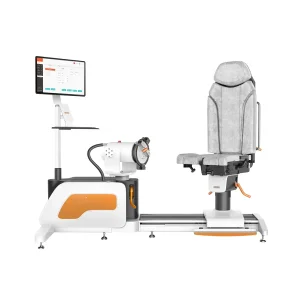
Today's procurement needs are no longer just about the equipment itself; they are about data. Healthcare providers require Gait Analysis Systems and Isokinetic Testing to quantify progress. Our factory integrates these advanced diagnostics into every piece of hardware, ensuring that therapists can track recovery with surgical precision. By leveraging China's world-class supply chain, we offer these high-tech solutions with a reliability and cost-advantage that is unmatched globally.
Years of Experience
Years in Rehab R&D
China Tertiary Hospital Coverage
Global OEM Partners
Focused on the research, development, and manufacturing of rehabilitation medical equipment, integrating R&D, production, and sales to create a full-cycle closed loop. We are the most professional pain management experts, deeply engaged in the field of rehabilitation medicine.
Xinkang is a domestic leader in physical factor treatment products such as electrotherapy, light therapy, magnetic therapy, pressure therapy, and spinal and sports therapy products. Our commitment to innovation has allowed us to dominate the domestic market while expanding rapidly into global arenas.
Learn More About Us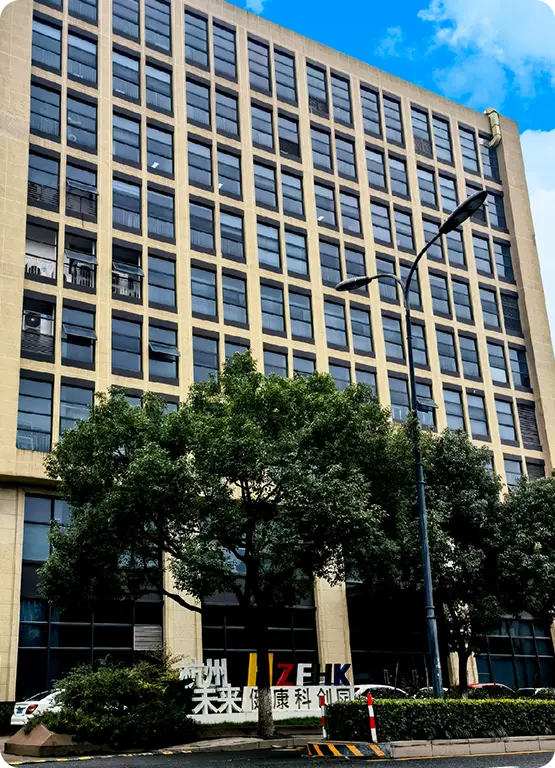
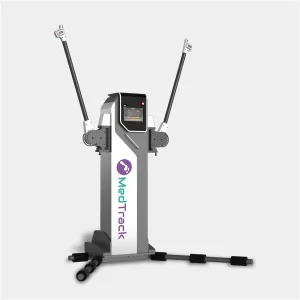
The shift toward wearable exoskeletons and trackless muscle strength training allows for more natural movement patterns and faster neural re-education.
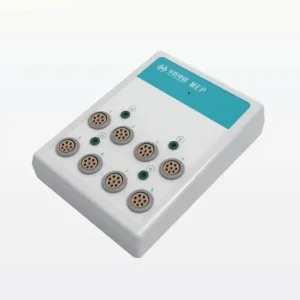
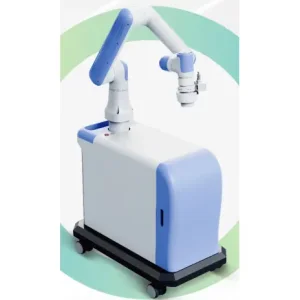
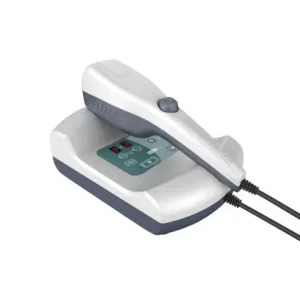
Equipment like Transcranial Electric Stimulators (TES) and magnetic stimulation robots are becoming standard for neurological rehabilitation protocols.
Real-time data synchronization between the hospital and home allows for a continuous care model, reducing the burden on clinical facilities.
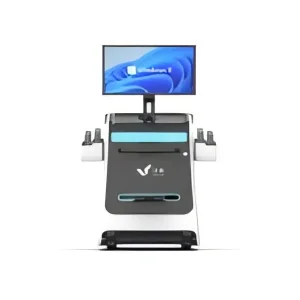
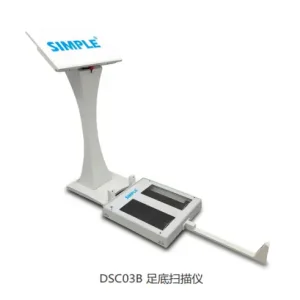
Using 3D foot scanners and 3D insole printers to create customized orthopedic supports based on precise gait analysis data.
Located in the heart of China’s Changshanjiao production zone, our 10,000+ square meter facility benefits from a complete industrial ecosystem. This allows us to maintain strict quality control while offering competitive pricing.
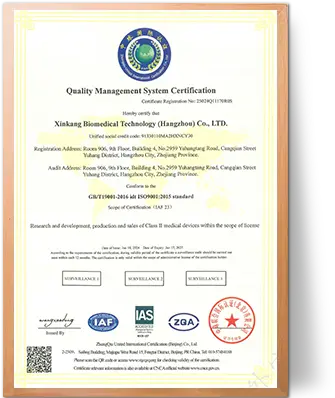
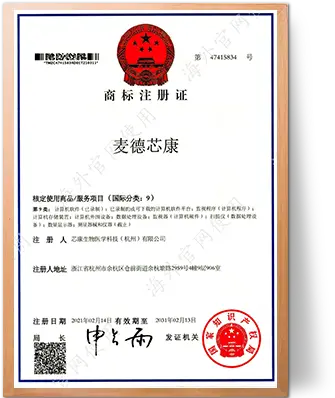
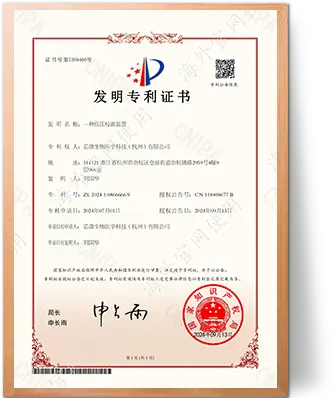
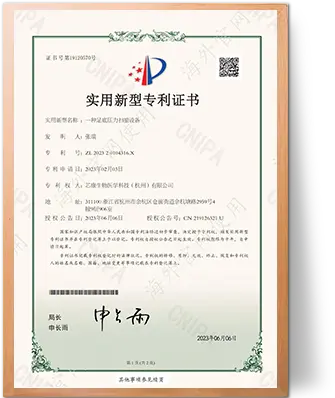
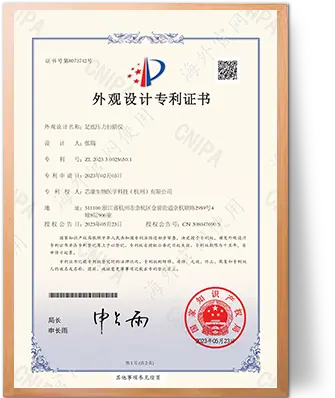
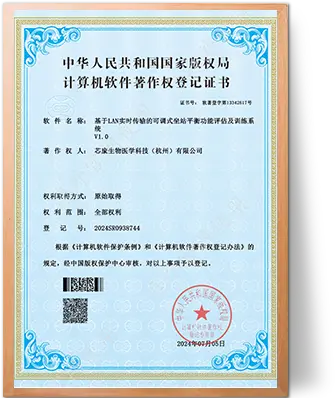
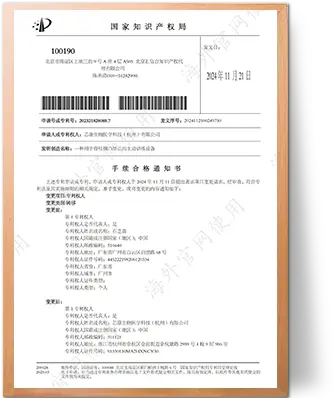
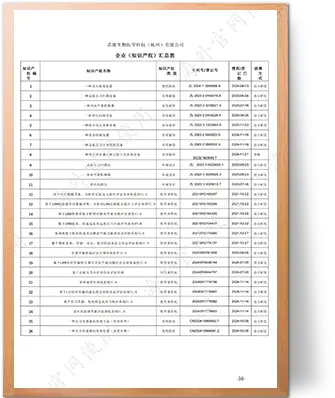
Our commitment to excellence is backed by a robust portfolio of intellectual property and certifications.
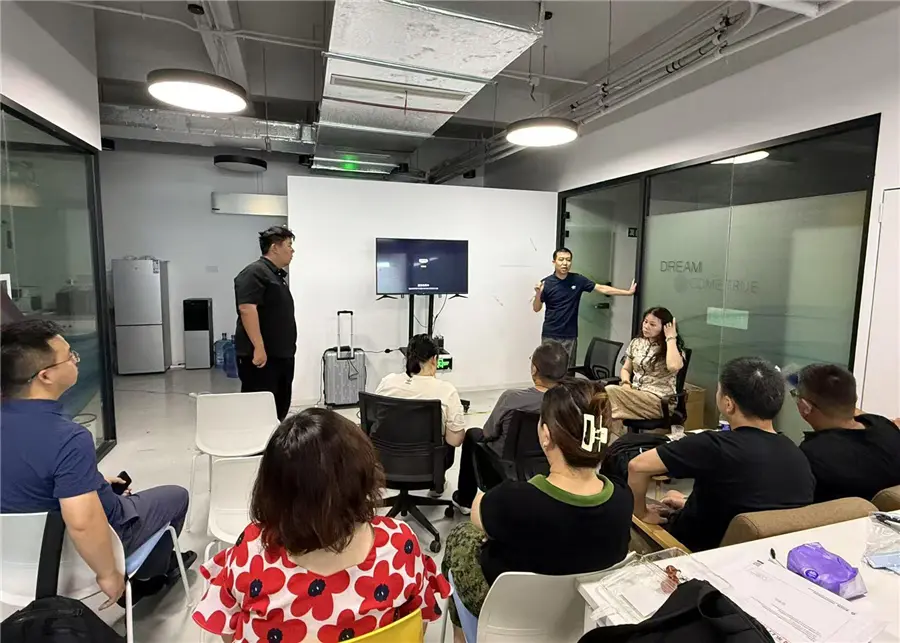
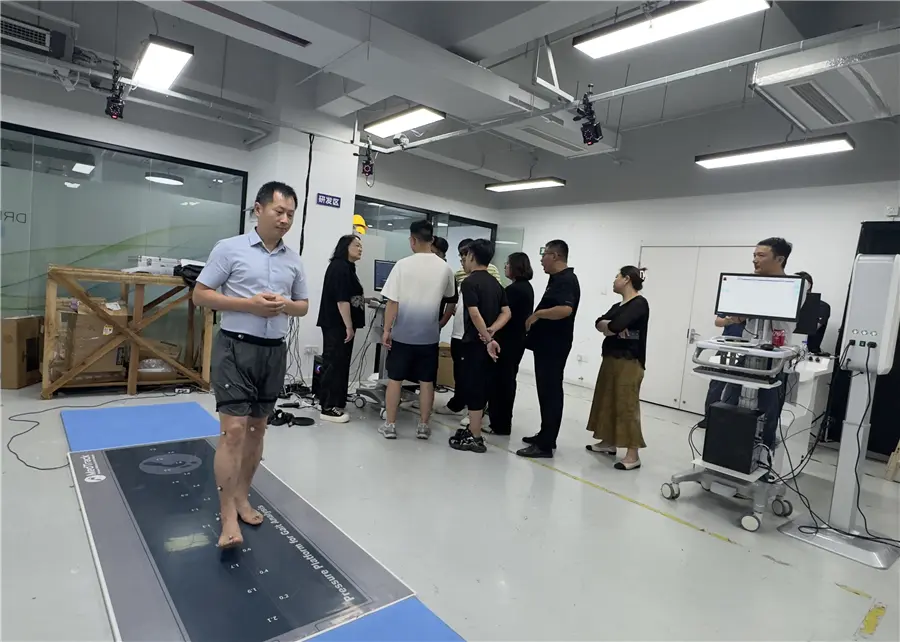
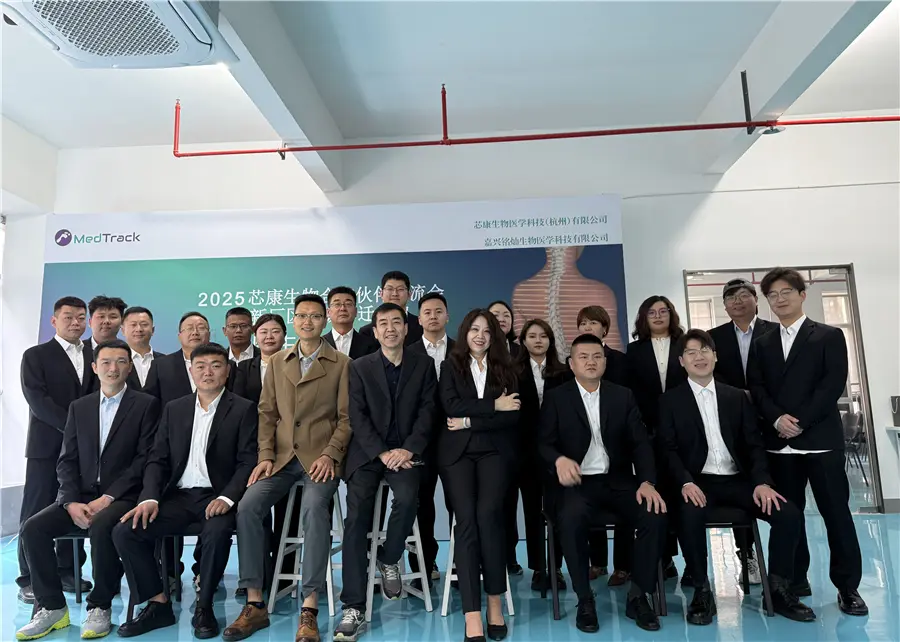
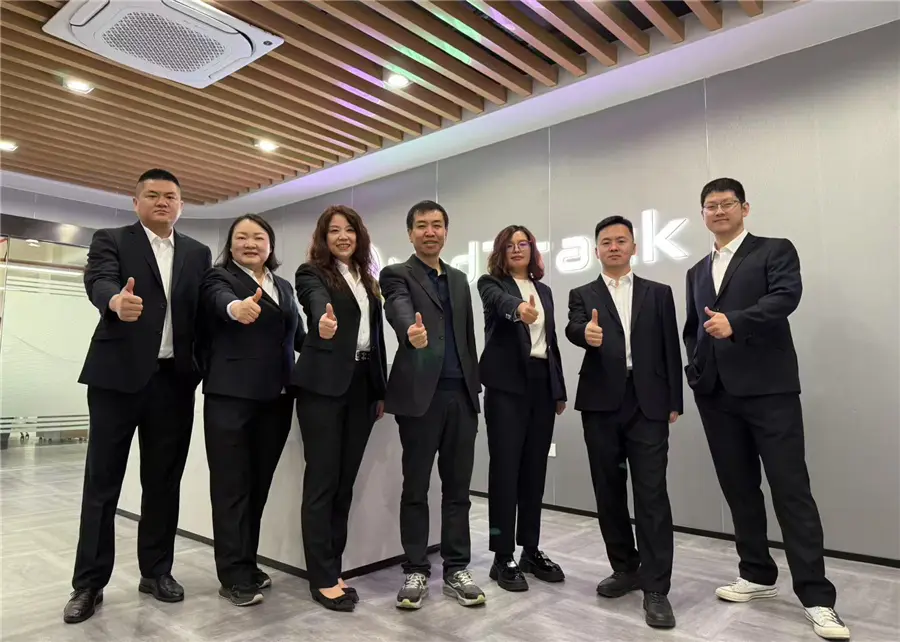
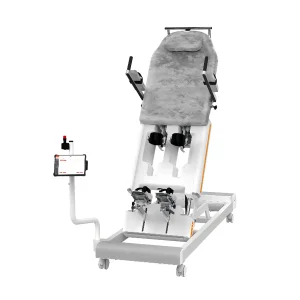
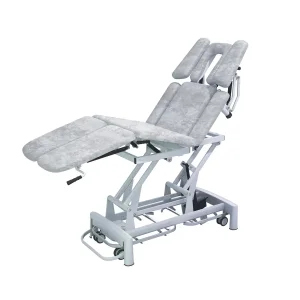
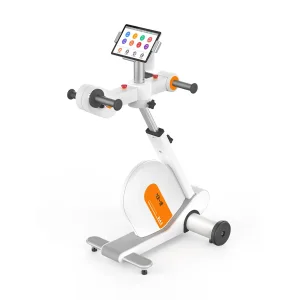
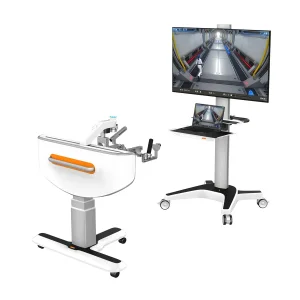
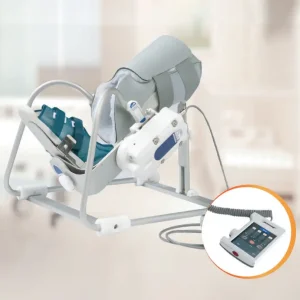
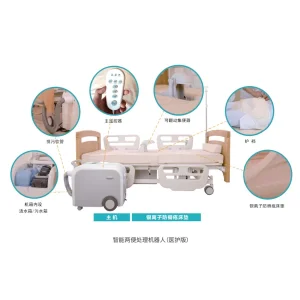
For a stroke patient, the journey from the ICU to home is a multi-stage process. Our equipment is designed to fit every step of this localized care cycle. In Acute Care Units, our multi-position treatment beds and passive movement instruments prevent muscle atrophy and pressure sores. In Specialized Rehabilitation Hospitals, our 3D Gait Analysis and Robotic Feedback systems provide the intensive training required to regain motor skills.
Furthermore, we address the Community Health and Home-Based segments. As global populations age, especially in China, Europe, and Japan, there is a burgeoning need for compact, smart devices like the Wearable Walking Assist Robot. These tools empower patients to maintain their independence outside of a clinical setting, significantly reducing long-term care costs for families and governments.
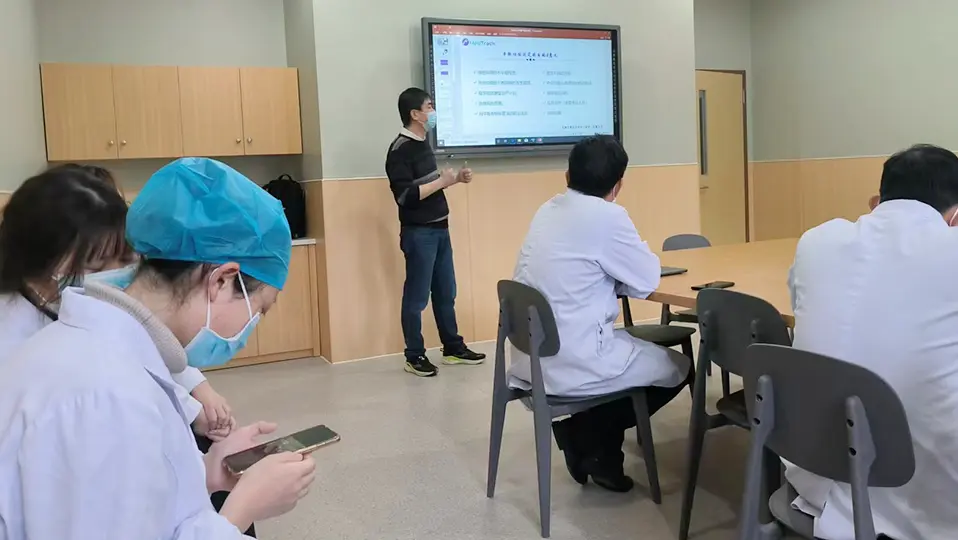
By partnering with academic institutions and medical centers, Xinkang has built a mature system integrating industry, teaching, research, and medical application. Our solutions are not just machines; they are evidence-based clinical pathways adapted to the specific needs of local markets across the globe.
 MedTrack