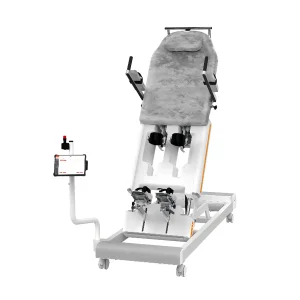
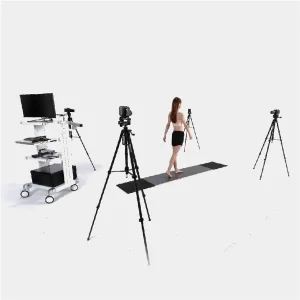
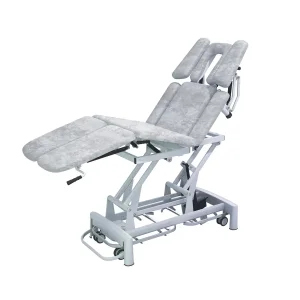
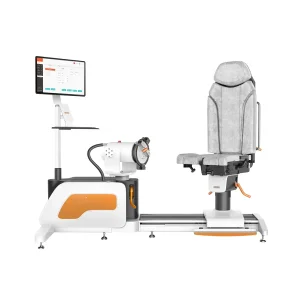
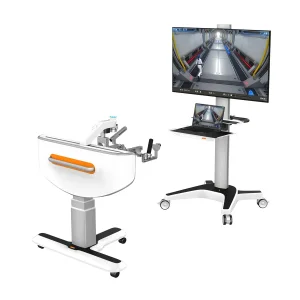
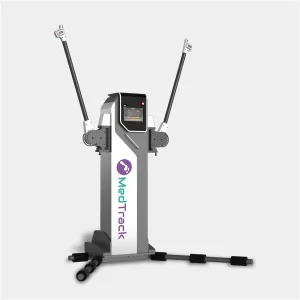
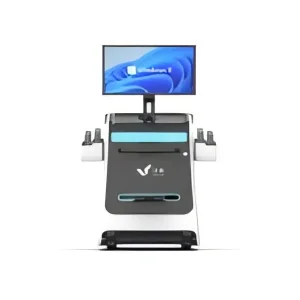
Leading-edge technology for comprehensive stroke and neurological recovery.
The global demand for rehabilitation gloves for stroke has witnessed an exponential surge over the last decade. As stroke remains a leading cause of long-term disability worldwide, the transition from traditional manual physiotherapy to robotic-assisted therapy has become a clinical necessity. Modern healthcare systems are no longer looking for simple mechanical aids; they require intelligent, wearable, and data-driven devices that can provide intensive functional training.
In North America and Europe, the trend is shifting towards Home-Based Rehabilitation. Hospitals are increasingly discharging patients earlier, necessitating medical-grade stroke recovery gloves that patients can use safely in a domestic setting. Meanwhile, in emerging markets across Asia and Latin America, the focus is on equipping centralized rehabilitation clinics with high-throughput robotic systems to manage the growing patient load.
As a premier China rehabilitation gloves factory, we understand that the global industrial status of these devices is defined by three pillars: Soft Robotics, Intelligent Feedback, and Patient Compliance. Our manufacturing processes are designed to meet these sophisticated global procurement needs.
Unlike rigid exoskeletons, our gloves use flexible pneumatic bionic muscles that mimic human hand movements, ensuring safety and comfort during spasticity reduction.
Real-time sensing technology captures patient progress, allowing therapists to adjust protocols remotely based on quantitative data rather than qualitative observation.
Designed for high-use environments, our systems support multi-patient management, making them the preferred choice for large-scale rehabilitation centers.
When searching for a stroke rehabilitation gloves supplier, the "China Advantage" extends far beyond cost-competitiveness. At Xinkang Biomedical Technology (Hangzhou) Co., Ltd., we leverage China's unparalleled industrial ecosystem to provide world-class medical devices.
1. Integrated Supply Chain: Being located in Hangzhou, the heart of China's tech innovation hub, gives us immediate access to high-precision sensors, advanced polymers, and specialized micro-motors. This vertical integration allows us to shorten R&D cycles significantly compared to Western counterparts.
2. OEM/ODM Customization: Global distributors often require localized software languages, branded aesthetic designs, or specific clinical protocols. Our OEM rehabilitation medical equipment services are backed by a team of engineers with over 10 years of experience, ensuring your brand stands out in your local market.
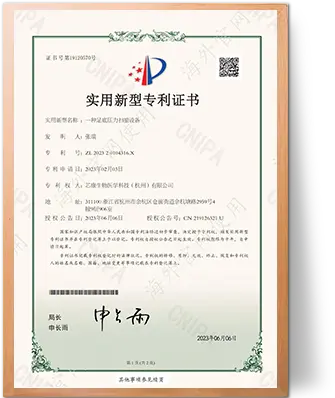
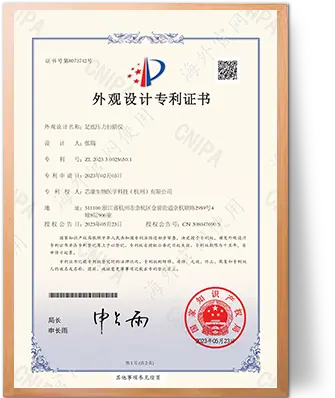
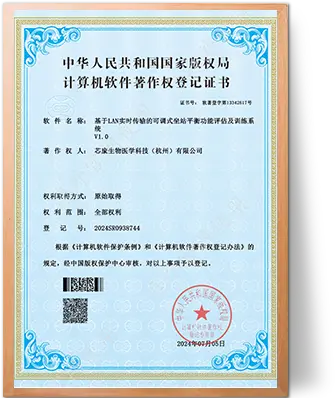
3. Rigorous Quality Standards: Our factory operates under strict national medical supervision and management certifications. We bridge the gap between "Made in China" and "Quality from China" by utilizing international peer standards as our benchmark.
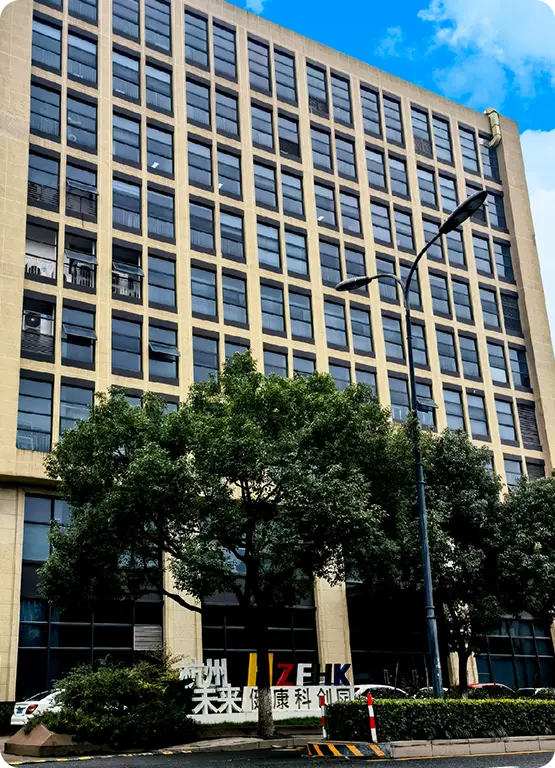
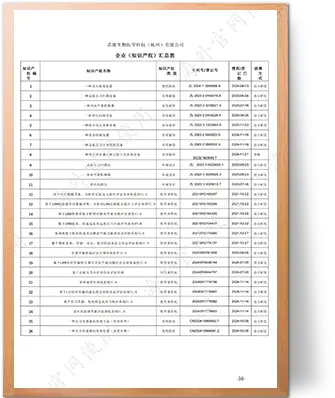
Xinkang Biomedical is not just a manufacturer; we are an innovation powerhouse. We have integrated industry, teaching, research, and medical application into a seamless loop. Our products cover more than 75% of tertiary medical units in China, proving our reliability in the most demanding clinical settings.
The future of rehabilitation gloves for stroke lies in Multimodal Therapy. We are seeing a move towards combining physical movement with other stimuli. For instance, integrating Transcranial Magnetic Stimulation (TMS) or Mirror Therapy with robotic glove training can significantly enhance neuroplasticity.
Localized Application Scenarios:
Our commitment to pain management and neurological rehabilitation ensures that our gloves are not just tools, but holistic solutions that adapt to each stage of the patient's journey.
Precision-engineered medical devices for every rehabilitation need.
Xinkang Biomedical Technology (Hangzhou) Co., Ltd. is the most professional pain management expert, deeply engaged in the field of rehabilitation medicine. We are committed to improving people's quality of life through innovation in the fields of pain rehabilitation, orthopedic rehabilitation, neurological rehabilitation, and mobile medical care.

 MedTrack