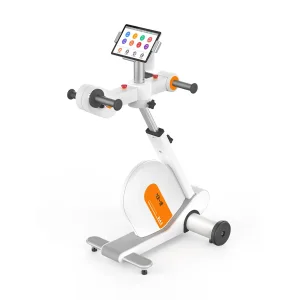
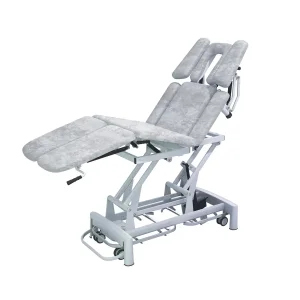
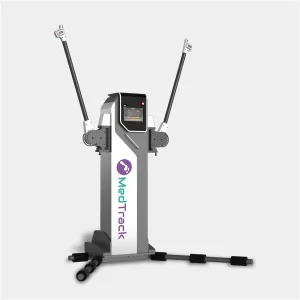
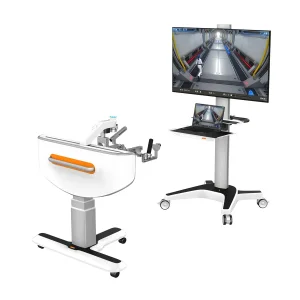
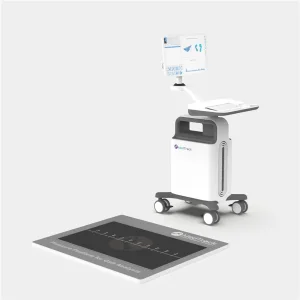
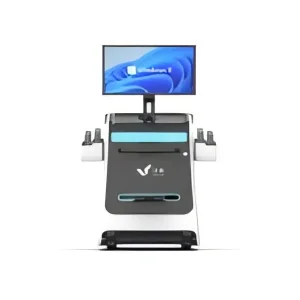
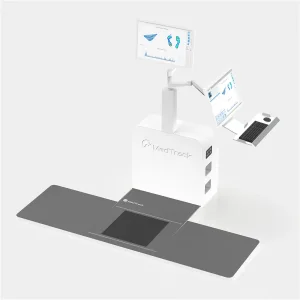
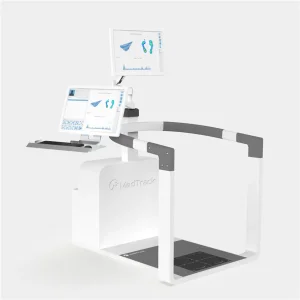
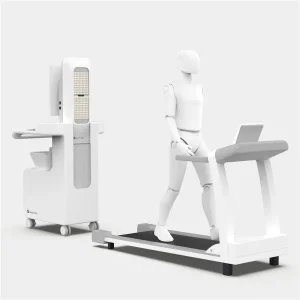
The global market for Movement Analysis Systems for Rehabilitation is undergoing a paradigm shift. Traditionally confined to high-end research laboratories, biomechanical analysis is now becoming a standard of care in clinical settings worldwide. From North America to Europe and the burgeoning healthcare sectors in Asia, the demand for objective, data-driven recovery protocols has never been higher.
As a leading China Movement Analysis System for Rehabilitation manufacturer, we recognize that the industry is moving away from subjective visual observation toward high-precision digital tracking. This transition is fueled by the global aging population, the rise in sports-related injuries, and the increasing prevalence of neurological disorders such as Parkinson's and stroke, all of which require sophisticated gait and posture monitoring.

Modern systems now utilize AI to predict injury risks and automate the diagnostic process, providing clinicians with actionable insights rather than just raw data.
The shift from optical-only systems to wearable IMU (Inertial Measurement Unit) sensors allows for movement analysis in real-world environments, not just clinics.
Integrating biofeedback with virtual reality (VR) increases patient engagement and accelerates neuroplasticity through immersive training environments.
When searching for a Movement Analysis System For Rehabilitation manufacturer, global procurement officers look for three things: Innovation, Scalability, and Cost-Efficiency. China, particularly the Yangtze River Delta (Changshanjiao) region, has become the world's epicenter for medical device manufacturing due to its unparalleled supply chain integration.
At Xinkang Biomedical, our 10,000+ square meter facility benefits from being in a cluster of high-tech component suppliers. This allows us to source medical-grade sensors, high-speed cameras, and specialized alloys with zero lead-time friction, passing those savings and speed to our international partners.
Unlike many Western distributors, we are a direct factory. Our R&D team, composed of experts from top-tier universities, can customize software interfaces, hardware aesthetics, and data protocols to meet localized regulatory requirements in the EU, USA, or Middle East.
Our systems are designed for diverse environments:
Xinkang Biomedical is a domestic leader in physical factor treatment products such as electrotherapy, light therapy, magnetic therapy, and spinal therapy. We integrate R&D, production, and sales to create a full-cycle closed loop for rehabilitation medicine.



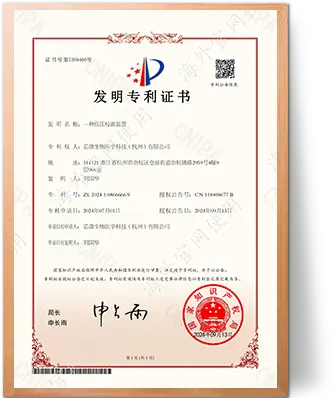
International buyers—ranging from large hospital groups to private rehabilitation franchises—require more than just a machine; they require a partner. As a rehabilitation equipment manufacturer with over 20 years of production experience, we address the core needs of global procurement:
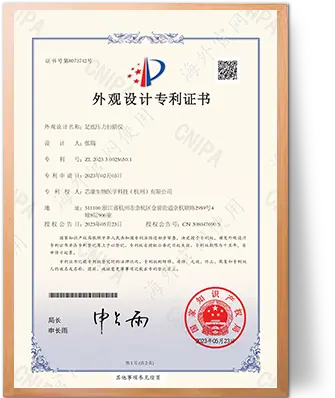
Our products pass national medical supervision and management certifications, ensuring they meet the rigorous safety standards required for clinical use.
We provide comprehensive assembly guidance, product training, and after-sales maintenance to ensure your team can operate the systems at peak efficiency.
With over 30 standard OEM production lines, we can handle high-volume orders without compromising on the precision required for movement analysis sensors.
Our software supports localized data storage, ensuring that patient privacy and data protection laws (like GDPR) can be strictly followed.
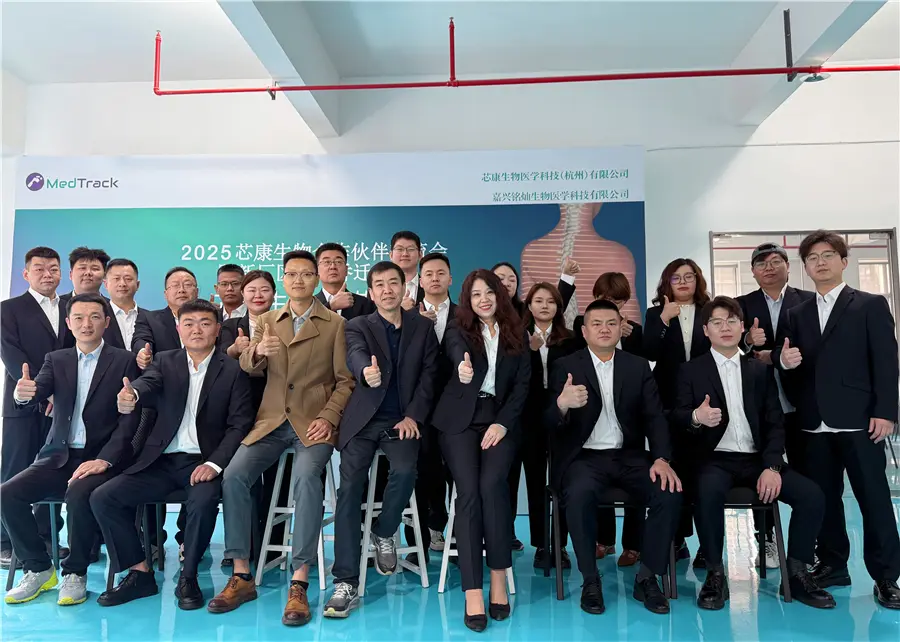
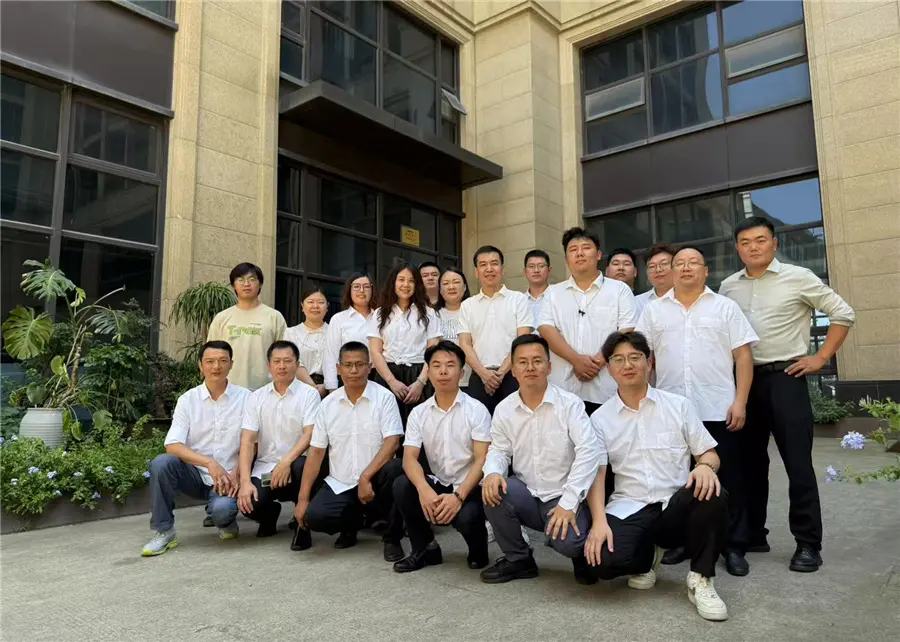
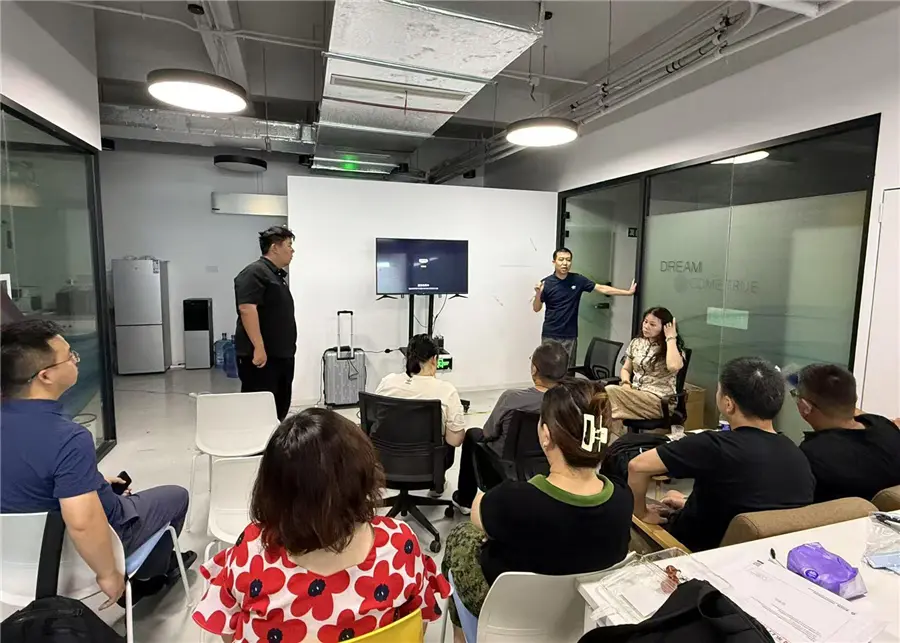
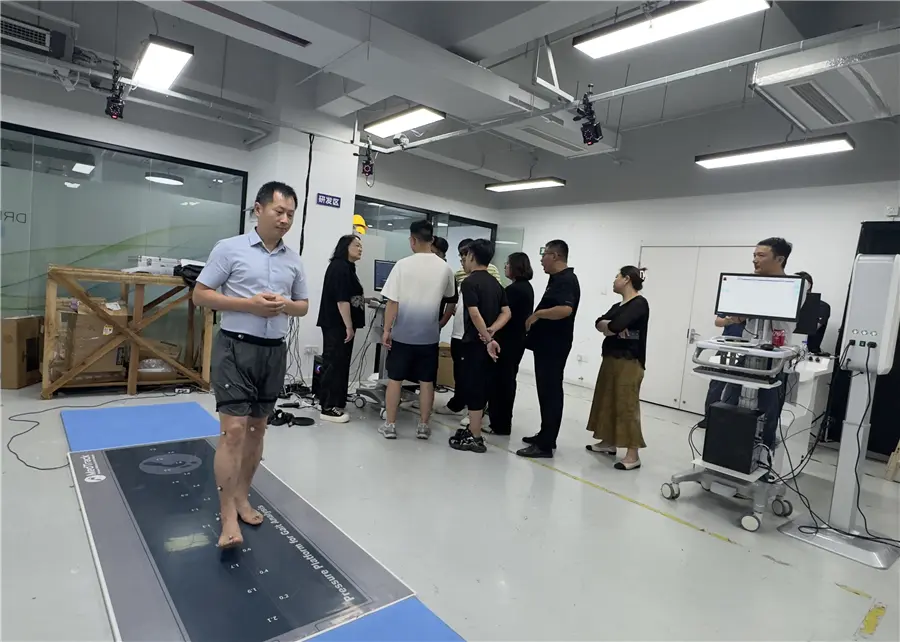
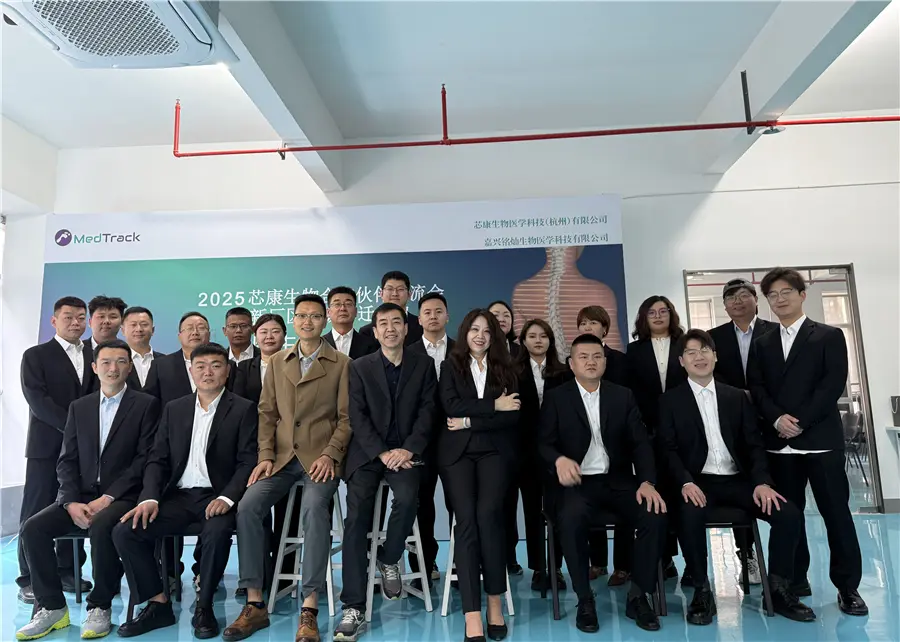

As the Movement Analysis System For Rehabilitation industry continues to evolve, Xinkang Biomedical remains at the forefront of innovation. Our commitment to E-E-A-T principles ensures that every piece of equipment we manufacture is backed by clinical expertise, engineering authority, and a track record of reliability spanning three decades.
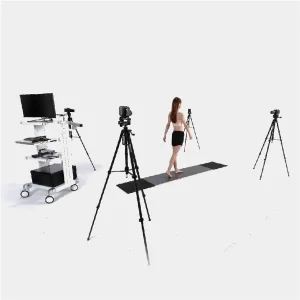
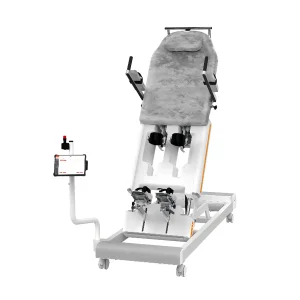
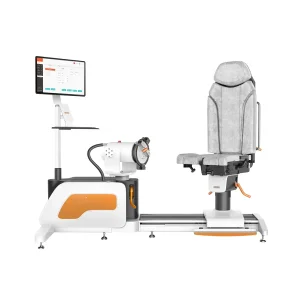
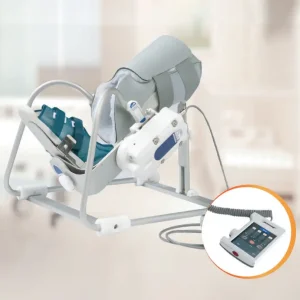
Whether you are looking for a 3D gait analysis system, intelligent feedback training for limbs, or isokinetic testing systems, our Hangzhou-based factory provides the perfect blend of high-tech R&D and large-scale production capacity. We invite global partners to collaborate with us in building a more mobile, pain-free world through the power of advanced biomechanical analysis.



 MedTrack