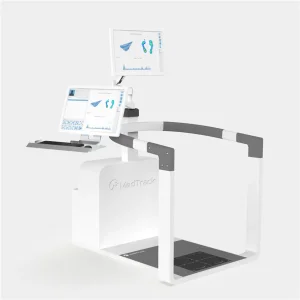
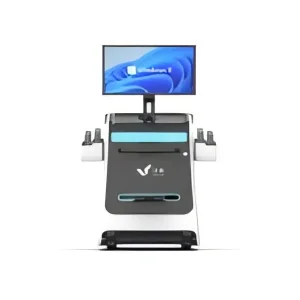
In the contemporary era of rehabilitation medicine, mechanical traction lumbar systems have evolved from simple physical therapy tools into highly sophisticated, sensor-driven medical devices. Globally, the prevalence of chronic lower back pain (LBP) has surged, affecting approximately 619 million people worldwide. This epidemiological shift has catalyzed a massive industrial demand for non-surgical spinal decompression solutions.
From North American clinical settings to European rehabilitation centers, the transition towards automated and precise lumbar traction is evident. Traditional static traction is being replaced by dynamic, programmable systems that can simulate therapist-led manual decompression with 99.9% repeatability. As a leading China Mechanical Traction Lumbar manufacturer, we are at the epicenter of this industrial evolution, supplying high-precision equipment that meets stringent international medical standards (CE, ISO, FDA).

Modern lumbar traction units now utilize AI algorithms to calculate the optimal traction force based on a patient's BMI, muscle tension, and spinal curvature, minimizing risk and maximizing therapeutic outcomes.
Cloud-integrated systems allow doctors to monitor rehabilitation progress remotely, enabling a seamless transition from hospital-grade clinical treatment to supervised home-based recovery.
Real-time electromyography (EMG) sensors detect patient guarding or muscle spasms during traction, automatically adjusting the tension to ensure safety and comfort.
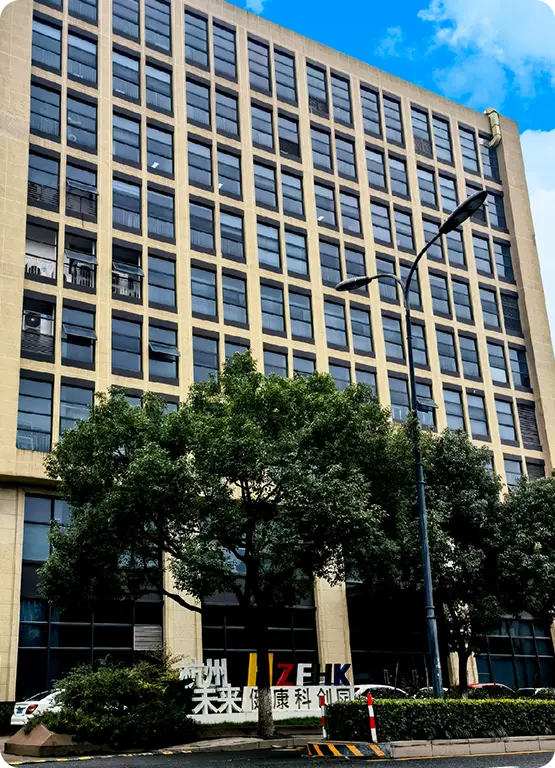
Global procurement officers from hospitals and rehabilitation franchises prioritize three core factors: Safety Certifications, Durability, and Total Cost of Ownership. China-based factories like Xinkang provide a unique advantage by offering medical-grade components at a competitive price point, supported by a robust domestic supply chain.
30 Years of Industry Expertise: Focused on the research, development, and manufacturing of rehabilitation medical equipment for 15 years, integrating R&D, production, and sales to create a full-cycle closed loop.
Xinkang is a domestic leader in physical factor treatment products such as electrotherapy, light therapy, magnetic therapy, pressure therapy, and spinal and sports therapy products. We are committed to improving people's quality of life through innovation in pain rehabilitation, orthopedic rehabilitation, neurological rehabilitation, and mobile medical care.

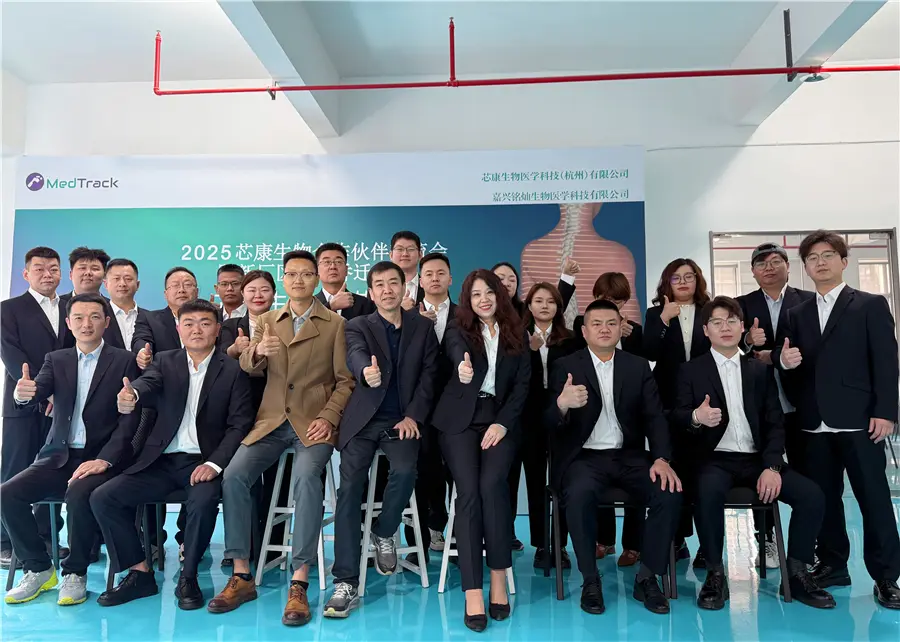
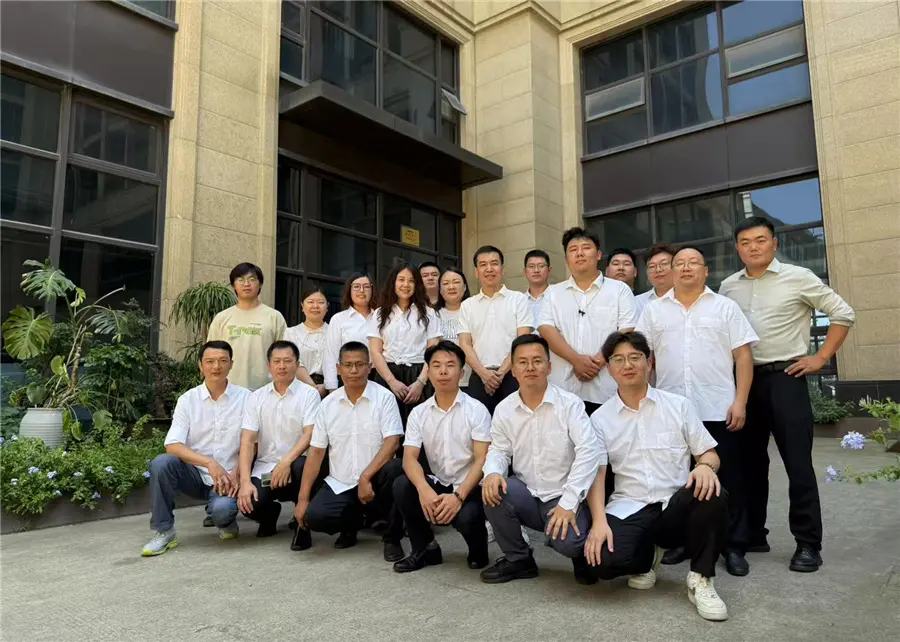
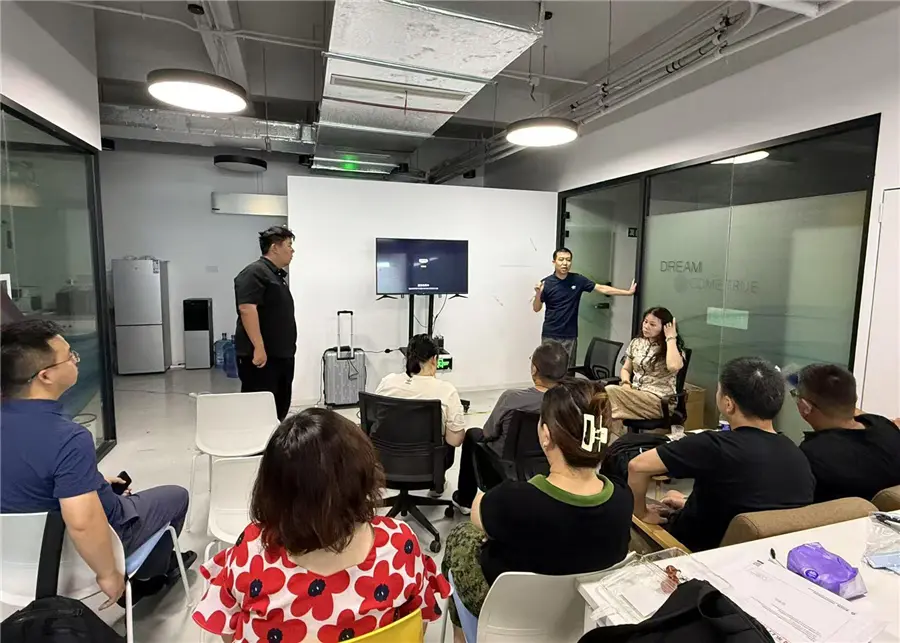
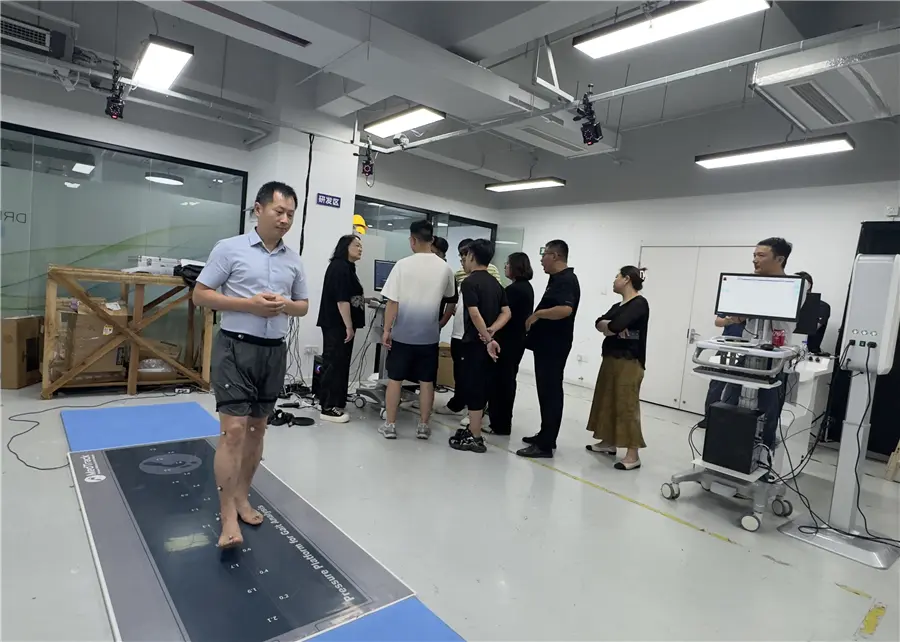
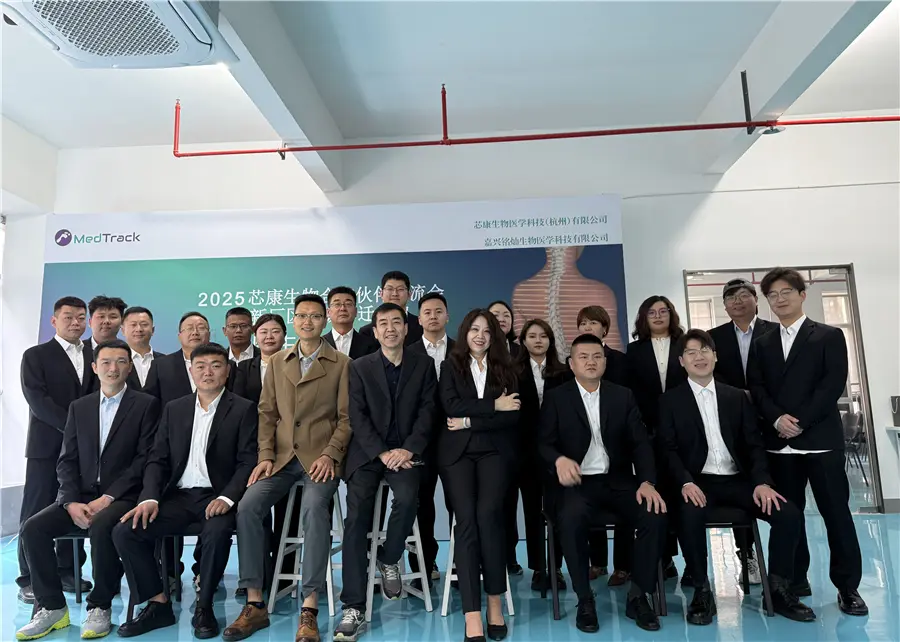
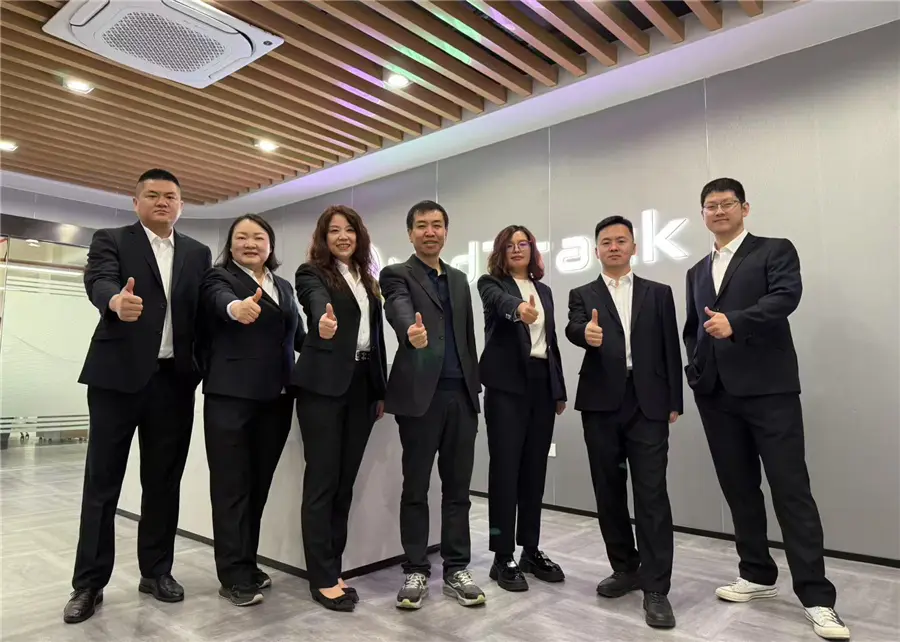
Chinese Market: Our products have covered more than 75% of tertiary medical units and most rehabilitation clinical departments. We have built a mature system integrating industry, teaching, research, and medical care.
Overseas Market: Rapidly expanding into Southeast Asia, Middle East, and Europe, providing localized solutions and high-quality OEM/ODM services.

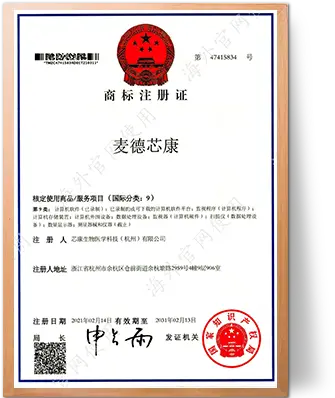
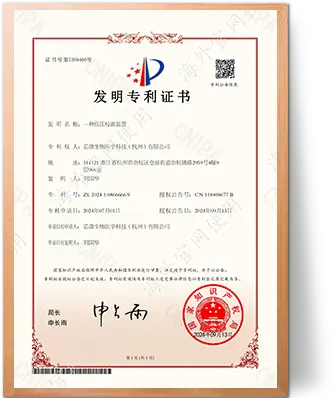
Located in Hangzhou, part of China's "Changshanjiao" production hub, we access the world's most complete medical device supply chain, ensuring rapid turnaround and cost efficiency.
Our engineers hail from top domestic and foreign universities, focusing on independent software and hardware development for localized data storage and safety.
We use international peer standards as our benchmark. Every process is strictly controlled through a standardized management system to deliver high-quality medical device products.
Spinal Decompression Theory: The core principle of mechanical traction lumbar is the creation of negative intradiscal pressure. By applying a controlled, longitudinal force to the spine, the system increases the intervertebral space. This creates a vacuum effect (negative pressure) that helps retract bulging or herniated disc material back into its proper anatomical position. Furthermore, this process facilitates the influx of oxygen, water, and nutrient-rich fluids into the disc, promoting natural healing and tissue regeneration.
Clinical Expertise in Mechanical Engineering: As a premier Mechanical Traction Lumbar factory, Xinkang integrates biomechanical research into every motor and rail system. Our machines feature "Smart Ramp" technology, which gradually increases the traction force to prevent the "muscle guarding" reflex. Traditional traction often failed because the sudden pull caused muscles to contract, nullifying the effect. Our proprietary algorithms ensure the traction force is applied in a sinusoidal or intermittent wave, mimicking the gentle touch of a master physiotherapist.
Reliability & Safety Protocols: In medical manufacturing, reliability is synonymous with safety. Our traction systems are equipped with dual-protection mechanisms: a patient-controlled emergency stop and a software-based force limiter. If the system detects any resistance exceeding the set safety threshold (measured in Newtons), it instantly releases tension. This level of expertise and focus on safety is what makes Chinese medical manufacturing a global benchmark for the rehabilitation industry.
Future Outlook: The next generation of mechanical traction will likely incorporate Virtual Reality (VR) to help patients relax during treatment, further reducing muscle tension. We are also exploring the use of big data to compare treatment outcomes across thousands of patients, refining traction protocols to be even more effective for specific spinal conditions like sciatica or facet joint syndrome.
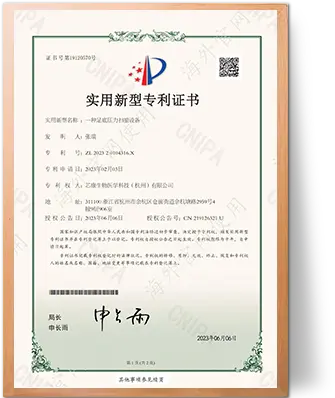
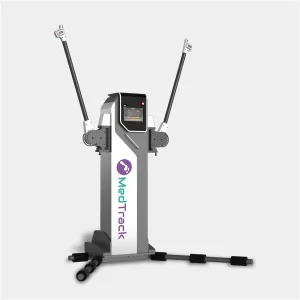
 MedTrack