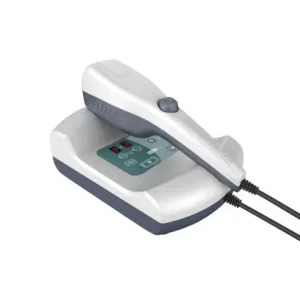
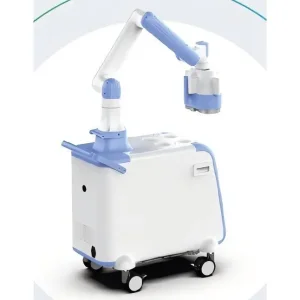
Explore our premium medical-grade equipment designed to facilitate physical recovery, dynamic diagnostic imaging, and neuromuscular conditioning.
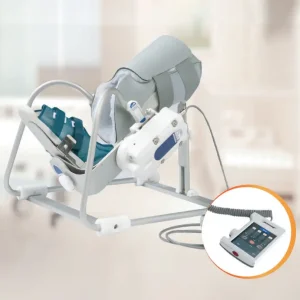
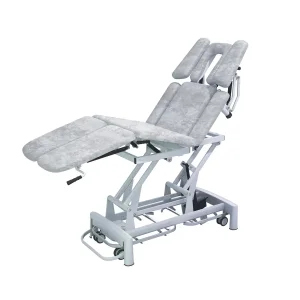
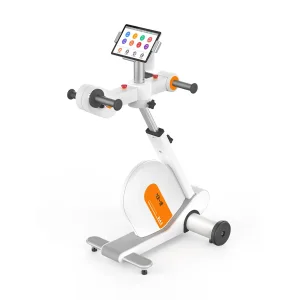
The global shift towards preventive care, non-invasive therapeutic interventions, and patient-centered chronic disease management has accelerated the deployment of Lifestyle Medicine devices. In modern healthcare environments, buyers from medical institutions, distribution networks, and post-operative recovery facilities seek high-performance equipment capable of supporting non-drug modalities.
OEM Lifestyle Medicine encompasses key areas such as physical activity rehabilitation (active-passive mobility, robotic gait trainers), pain therapy (pneumatic/electromagnetic shockwave, low-intensity ultrasound), and structural balance (3D spinal measurement, orthotic design). Procurement agents prioritize suppliers offering seamless system integration, extensive R&D pathways, and robust validation frameworks to secure target markets.

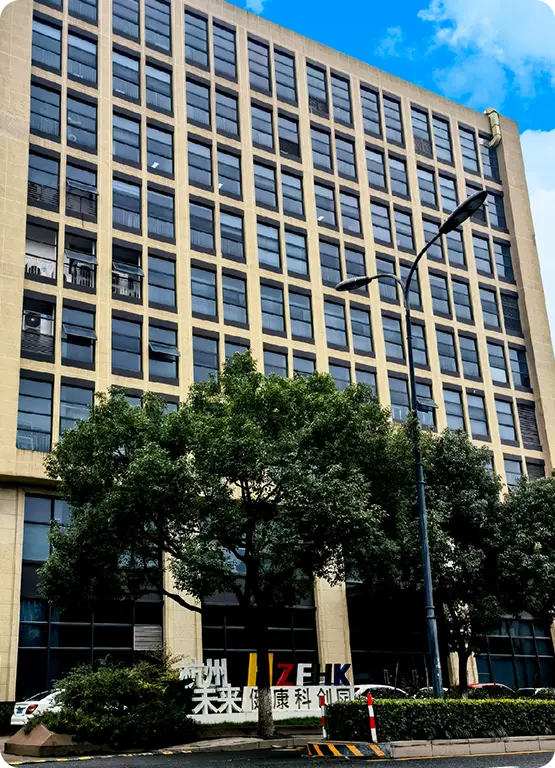
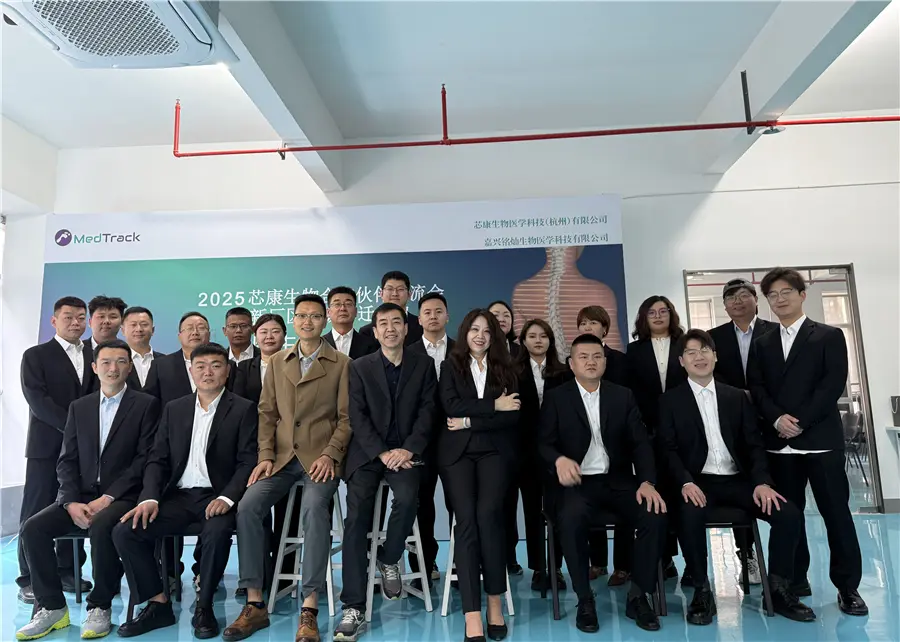
Xinkang Biomedical Technology is a premier developer and manufacturer focusing on advanced physical medicine modalities. Our core vision is to elevate individual quality of life through innovations in pain management, orthopedics, neurological rehabilitation, and mobile healthcare solutions.
By blending industry, teaching, research, clinical deployment, and regulatory compliance into a closed-loop system, we ensure that every therapeutic device meets stringent parameters. In our domestic market, Xinkang products are utilized in over 75% of tertiary medical facilities and the vast majority of specialized rehabilitation clinics, demonstrating our clinical reliability and market authority.
Ensuring future-proof medical technologies through a modular R&D framework, digital integration, and automated precision mechanisms.
By implementing closed-loop neurological feedback and gait trajectory analysis, our active-passive robotic systems assist patients in rebuilding neural patterns, offering precise mechanical support tailored to real-time biofeedback metrics.
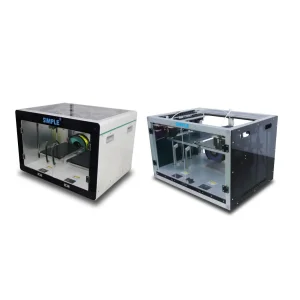
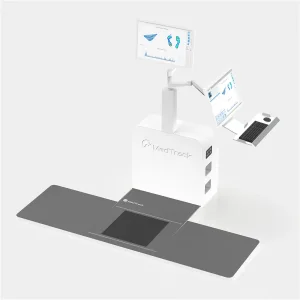
Using high-density arrays of pressure sensors, our gait evaluation systems calculate real-time load distribution, generating digital maps for custom orthotic creation via medical-grade 3D printers.
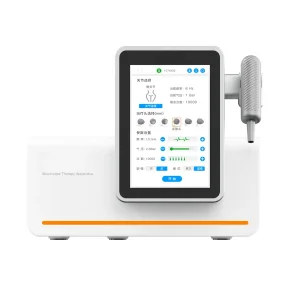
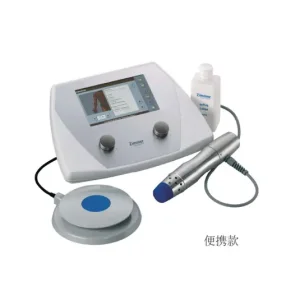
Harnessing shockwave dynamics (pneumatic ballistic and electromagnetic) along with compound wave electrotherapy to accelerate cellular repair, disrupt local nociceptive pathways, and alleviate acute or chronic pain.
We are actively bridging rehabilitation hardware with cloud-based diagnostic suites. By consolidating structural data (3D spine scanners, foot dynamometers) and training data (robotic assist logs), our next-generation software provides medical teams with real-time patient progression metrics and automated program adjustment suggestions.
Request Technology WhitepaperAt Xinkang, quality starts at the schematic phase. Our hardware and software engineers, graduates from prominent international and domestic medical engineering universities, maintain control over the intellectual property stack, avoiding the limitations of third-party templates. This ensures rapid system updates, security patches, and localized UI translation support.
Our production plant spans over 10,000 square meters within the Yangtze River Delta production hub. Equipped with over 30 customized OEM assembly and testing lines, we oversee every step, from component layout to multi-axis safety inspections, to guarantee compliance under regulatory standards.
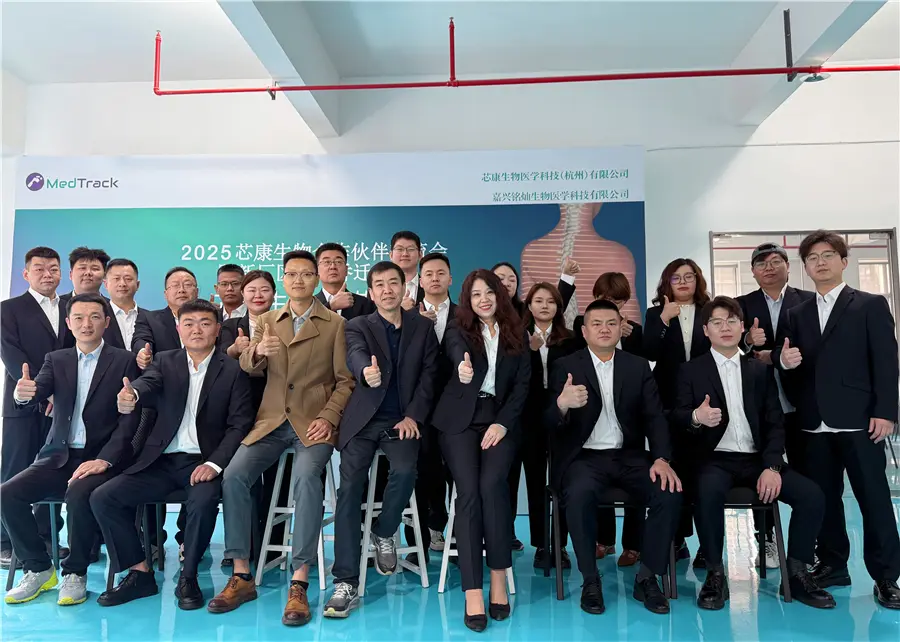
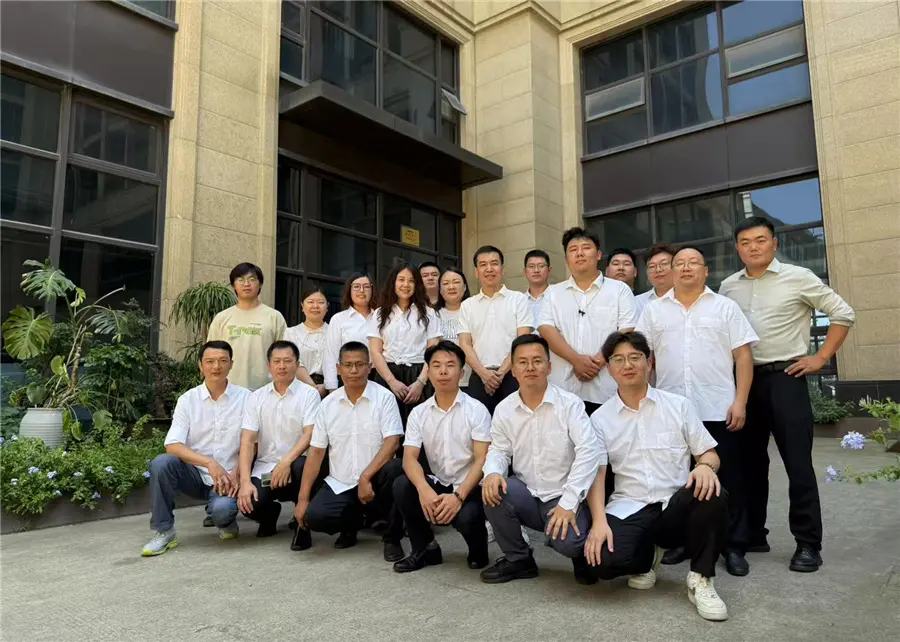
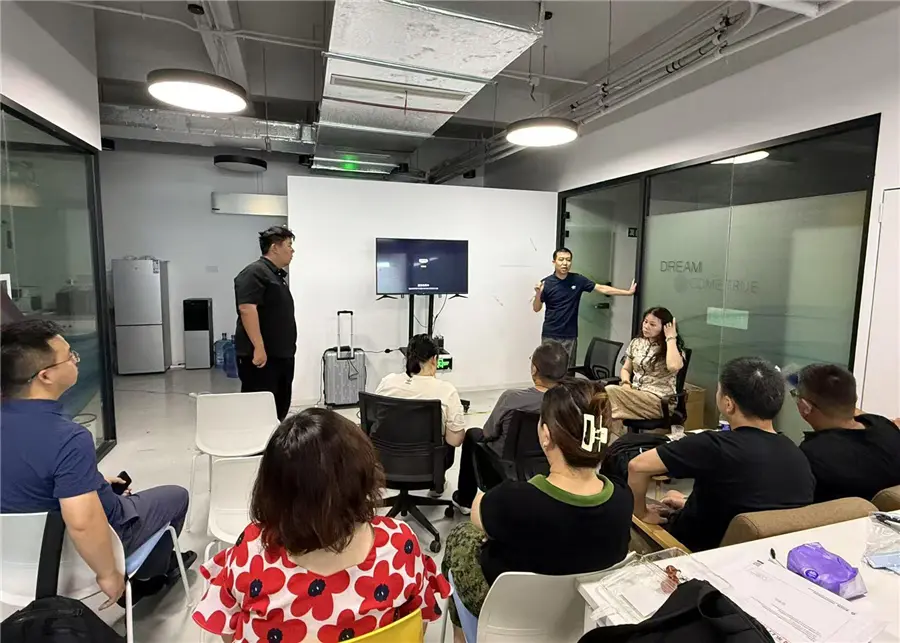
Strategically positioned in China's advanced manufacturing zone. Leveraging a complete supply chain network of precision component suppliers to control costs while maintaining excellent tolerances.
Every product undergoes extensive burn-in testing, high-voltage leakage tests, and mechanical stress evaluations. Our regulatory filings cover global medical supervision and management frameworks.
We provide localized technical materials, operational training courses, assembly guides, and diagnostic routines to help our OEM partners minimize field-service overhead.
Accelerating international market authorization with rigorous testing protocols and documentation packages.
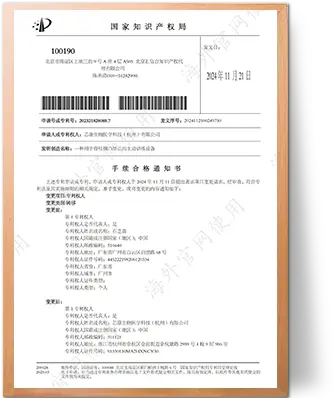
Navigating the complex landscape of international medical device approvals requires high attention to detail. Xinkang works closely with global regulatory agencies, preparing compliant technical files to streamline your local authorization pathways (including CE, FDA, NMPA).
Our OEM models support customization options to meet specific regional requirements: power supplies (110V/220V, 50Hz/60Hz), tailored user interface graphics, physical enclosure colors, localized diagnostic codes, and custom accessories.
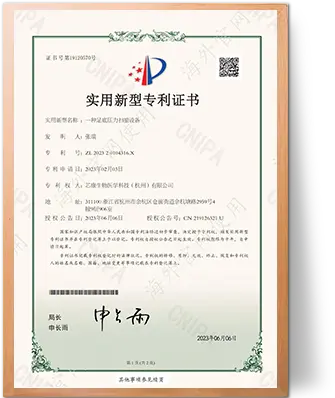
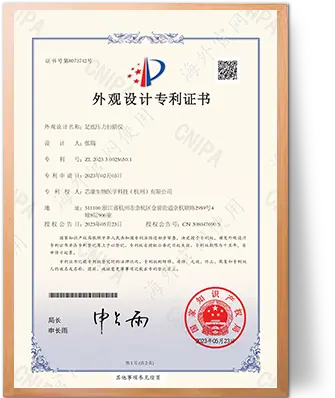
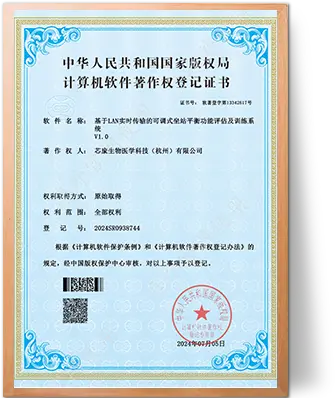
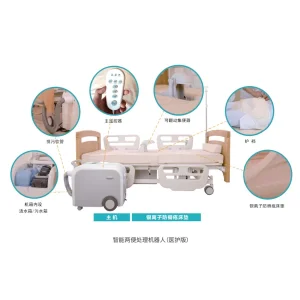
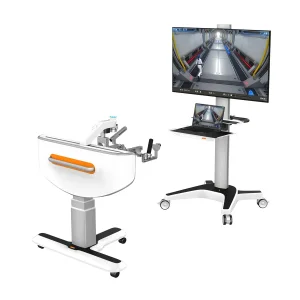
Explore our active training, diagnostic, and electrotherapy systems configured for modern hospitals and pain centers.
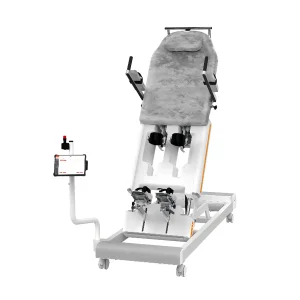
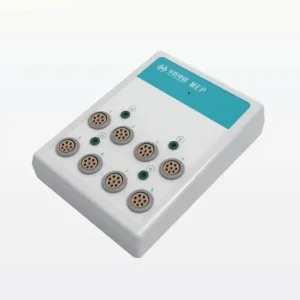
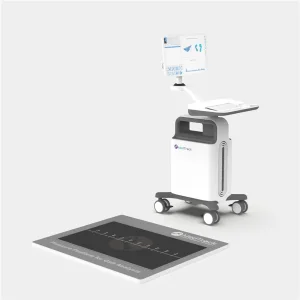
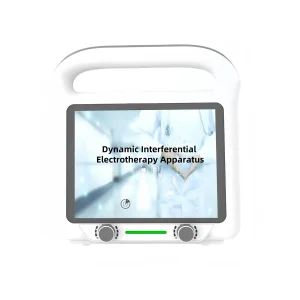
Detailed answers regarding customization, technical architectures, quality standards, and shipping pipelines.
Our OEM services offer extensive customization, including:
We operate within a certified ISO 13485 medical device quality management system. From design review to material sourcing, manufacturing, and final quality control, each stage follows strict documentation rules. The components we use meet international safety standards, and we support our clients in compiling technical documentation for FDA 510(k) applications or CE MDR submissions, facilitating faster market entry.
The choice between technologies depends on clinical applications:
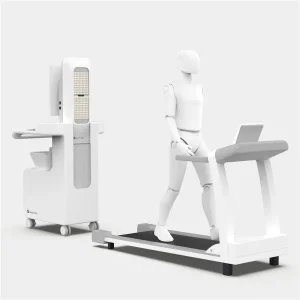
Our diagnostic devices feature proprietary diagnostic software. The plantar pressure scanner records dynamic foot dynamics and pressure distribution, exporting STL or OBJ files that integrate with CAD systems for orthotic production. The 3D spinal posture measurement system runs on custom image reconstruction algorithms, giving clinical teams precise back posture alignment metrics without exposing patients to radiation.
MOQ values vary depending on the level of customization. Cosmetic updates (logo branding and minor software adjustments) require lower minimums, whereas major hardware re-engineering requires larger batch runs. Lead times average 30 to 45 days for standard OEM runs, and 60 to 90 days for projects requiring prototype validation and tooling development.
 MedTrack