Leveraging high-precision robotics, 3D tracking, and dynamic sensor technology to mitigate musculoskeletal injury risk and fast-track recovery.
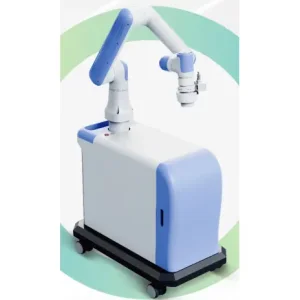
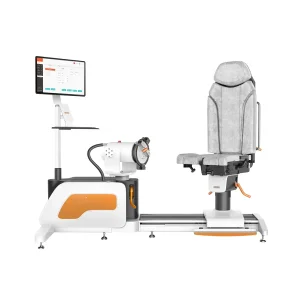
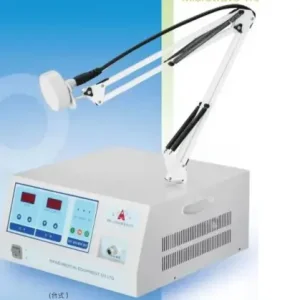
In the contemporary industrial and corporate environment, Musculoskeletal Disorders (MSDs) represent the single largest contributor to occupational disability worldwide. According to data from the World Health Organization (WHO), approximately 1.71 billion people globally live with musculoskeletal conditions. For multi-national corporations, logistics hubs, automotive assembly giants, and medical systems, work-related musculoskeletal injuries incur astronomical direct and indirect expenses. Beyond initial worker compensation insurance claims, companies face substantial downtime, decreased workplace morale, and the high replacement costs of specialized personnel.
Consequently, global corporate procurement has fundamentally shifted its emphasis. Rather than simply investing in reactive post-injury clinical solutions, corporate decision-makers, occupational health directors, and physical therapy networks are demanding systemized, proactive injury prevention infrastructure. Modern procurement frameworks focus heavily on objective, sensor-driven biomechanical analysis tools. To address this structural shift, medical apparatus manufacturers must pivot toward systems that offer measurable return on investment (ROI) by validating physical improvements through data-centric algorithms.
For strategic buyers, procuring from an established OEM (Original Equipment Manufacturer) provides customized hardware configurations, scalable software APIs for enterprise database integration, and localized field support. This allows medical providers, fitness franchises, and industrial conglomerates to license advanced medical-grade diagnostics and physical therapy modalities without incurring the multi-million dollar R&D costs associated with building these technologies from the ground up.
As a leading pain management and physical rehabilitation authority, Xinkang Biomedical integrates design, engineering, software programming, clinical validation, and advanced manufacturing into a holistic, closed-loop development cycle. With 30 years of medical engineering heritage and 15 years dedicated exclusively to rehabilitation technology research, we have built a trusted reputation as a cornerstone supplier of physical factor therapy devices.
Our solutions extend across electrotherapy, phototherapy, magnetic resonance therapy, compression therapy, and spine-and-sports biomechanics. In cooperation with research centers, academic universities, and tertiary clinical hubs, Xinkang has designed a multi-faceted framework combining industrial research, educational programs, and clinical application fields.

Years of Engineering Heritage
Years in Rehab Device R&D
Global OEM Clients Supported
Chinese Tertiary Hospital Coverage
Modern sports science and occupational ergonomics demand an integrated, multi-tier strategy for musculoskeletal health management. Below is the clinical path recommended by orthopedists and biomechanics experts, paired with the technological modules we build for our global OEM partners:
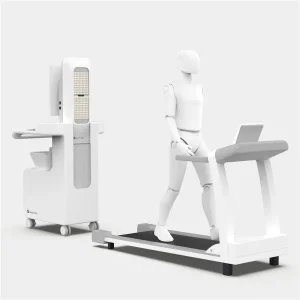
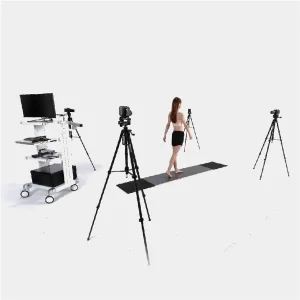
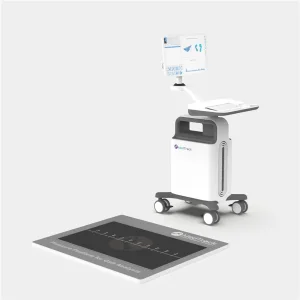
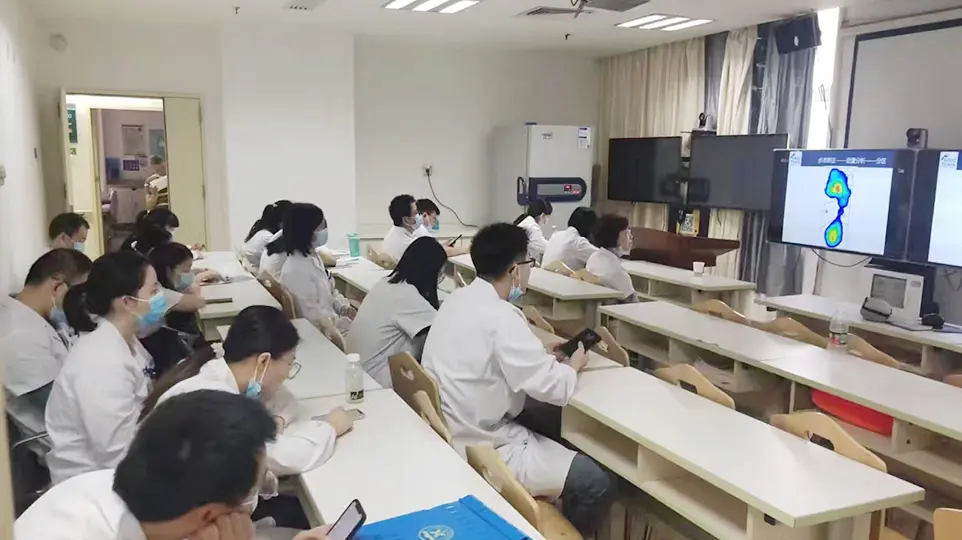
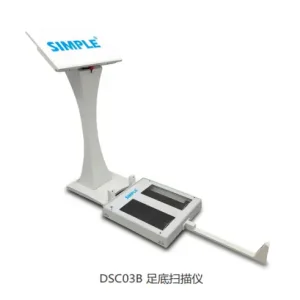
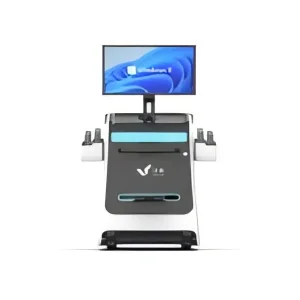
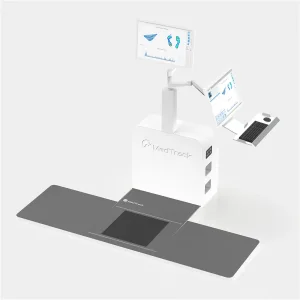
Accurate diagnostic data is the foundation of preventive therapy. Systems like 3D Spine Posture Measurement and Plantar Pressure Gait Analysis replace subjective visually guided tests with objective mathematical models. These devices identify structural imbalances, joint subluxations, and gait deviations that cause kinetic chain fatigue and eventual joint degeneration.
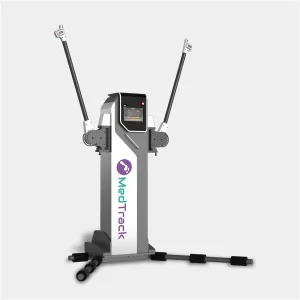
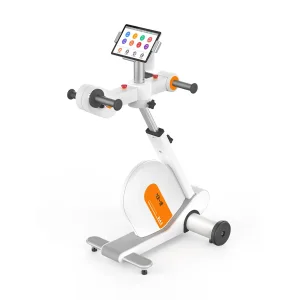
Musculoskeletal stabilization relies on neuromuscular control. Multi-joint Isokinetic Training and Evaluation Systems calculate a joint's torque output at specific angular velocities. This method guarantees that target muscle groups receive optimal, safe resistance without risking strain, preventing imbalances between agonists and antagonists.
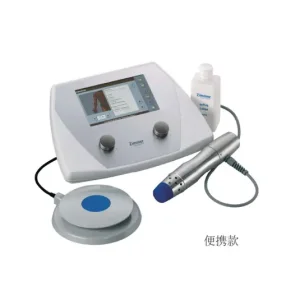
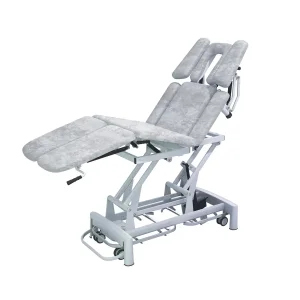
When repetitive stress patterns begin to cause sub-clinical micro-trauma, physical therapy intervention is critical. Electromagnetic Ballistic Shockwave Therapy, Wireless Transcranial Electrical Stimulation, and Microwave Therapeutic Apparatus stimulate micro-circulation, trigger cellular repair mechanisms, and manage chronic pain pathways.
By using this structured protocol, institutions can transition from basic symptom management to strategic risk reduction. For instance, in occupational safety applications, a distribution worker showing an irregular gait can be evaluated using a 3D foot scanner, fitted with custom-printed orthopedic insoles, and receive targeted shockwave therapy to prevent common, costly injuries like plantar fasciitis.
Tour our state-of-the-art medical production complex, advanced quality assurance laboratories, and design facilities in Hangzhou, China.
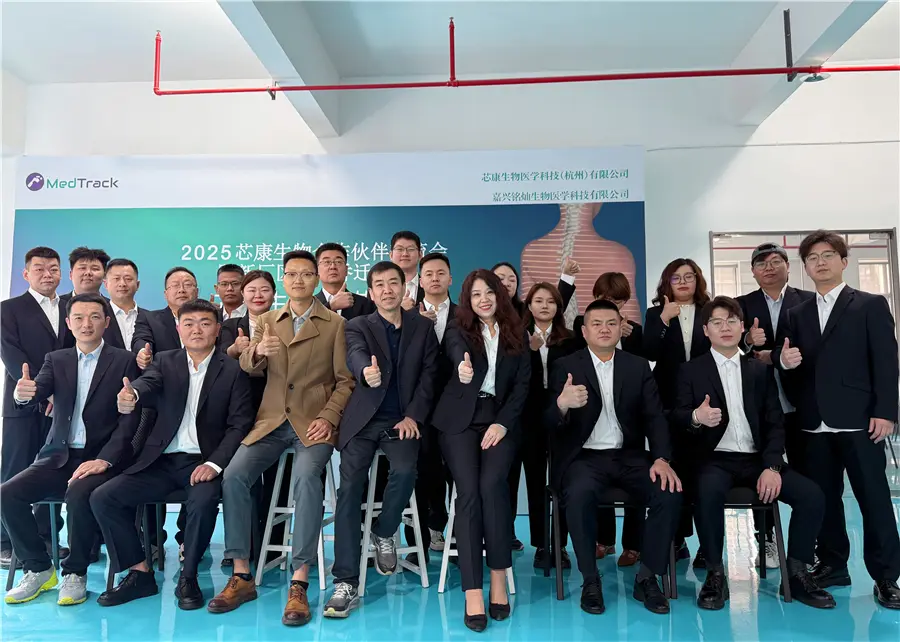
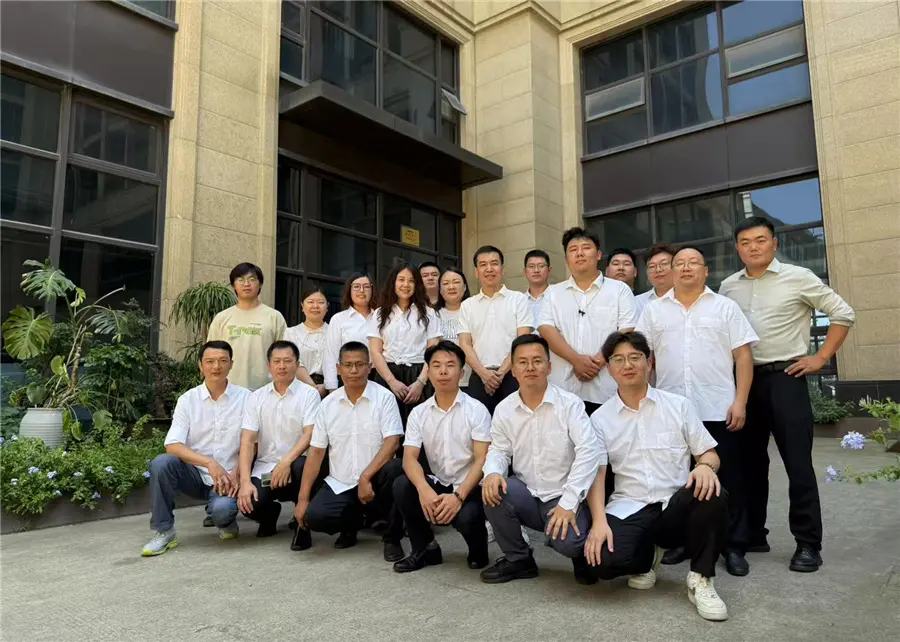
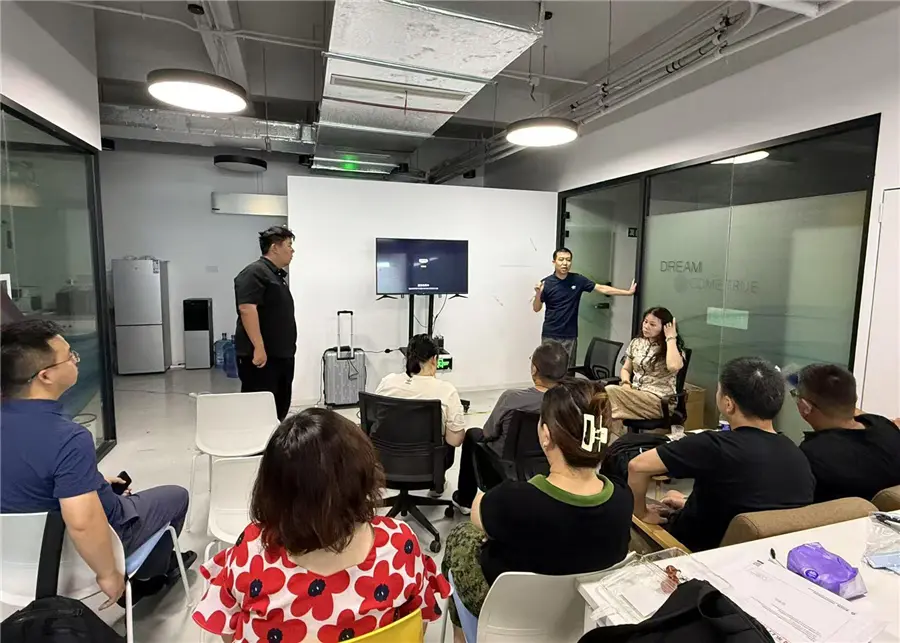
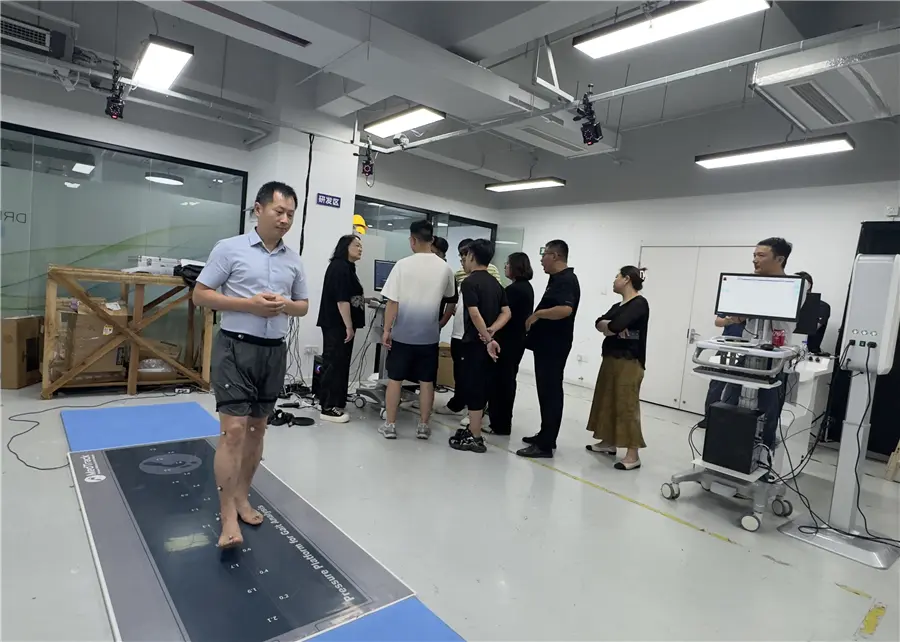
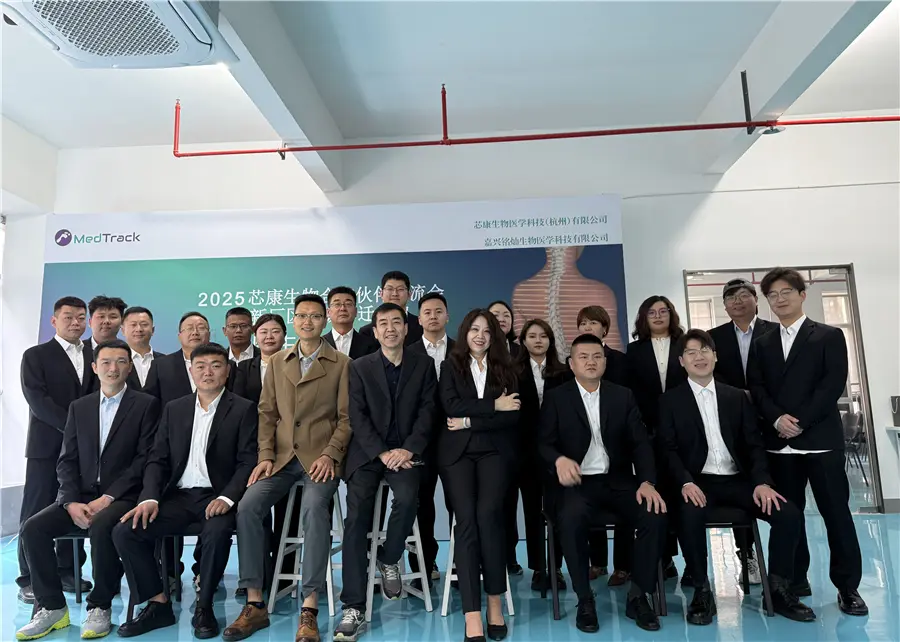

Delivering medical equipment solutions engineered to satisfy domestic and international clinical standards.
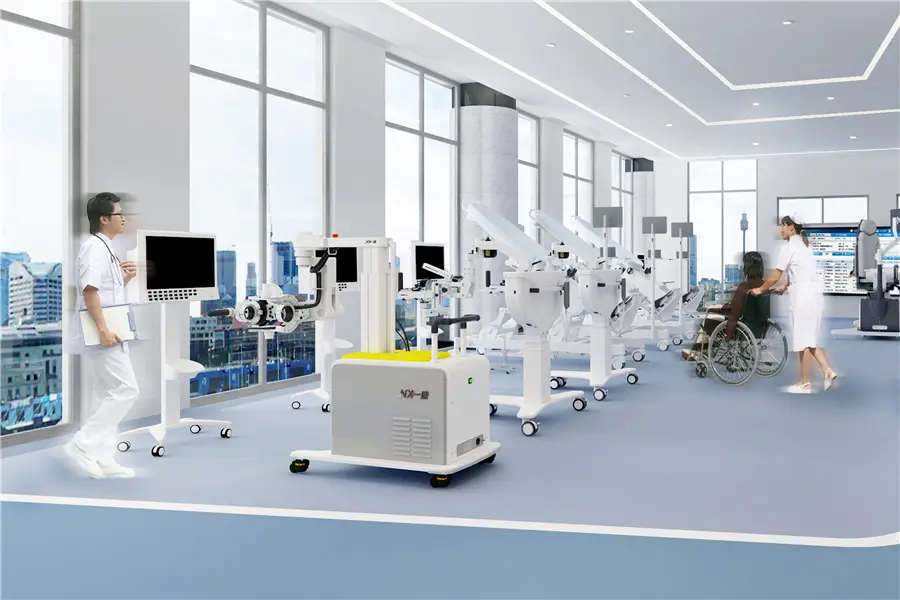
Through our comprehensive rehabilitation networks, we have established a mature system integrating industry, academic training, scientific research, and clinical application. In China, Xinkang products are utilized in over 75% of tertiary medical systems, helping thousands of clinical teams manage post-surgical pain, neuromuscular dysfunction, and orthopedic recovery paths.

To support our growing footprint in North America, Western Europe, and Asia-Pacific, we offer custom localization packages. This includes hardware modifications, electrical frequency adaptations, local language software interfaces, and documentation structured for regulatory clearance, helping our global OEM clients build competitive market advantages.
Continuous innovation validated by registered patents and international certifications.
Our dedication to independent engineering has yielded a robust portfolio of intellectual property, certifying that every system we design is built from proprietary technology:




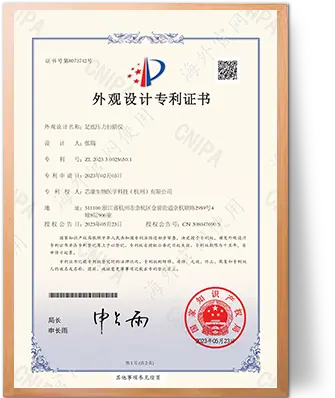


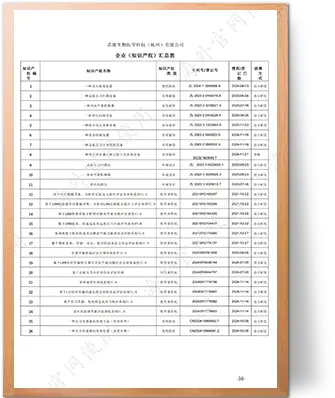
As the fields of rehabilitation science and robotic ergonomics converge, Xinkang is focused on integrating several emerging technologies into our core OEM systems:
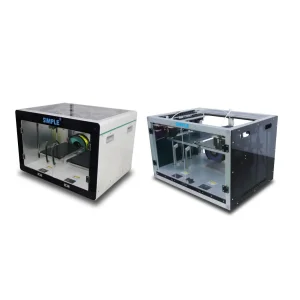
By pairing 3D plantar scanning with specialized 3D insole printing technology, we can manufacture custom orthotic insoles in minutes. Dynamic pressure profiles map peak load zones, which our proprietary software translates into optimized structural densities for targeted support.
Next-generation diagnostic systems will use computer vision and machine learning to analyze gait kinetics. These algorithms compare patient movement data against a database of musculoskeletal profiles, helping clinicians identify injury patterns before symptoms arise.
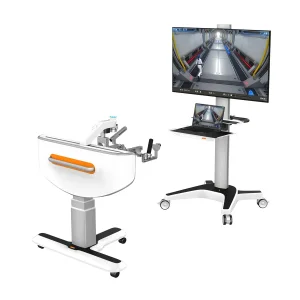
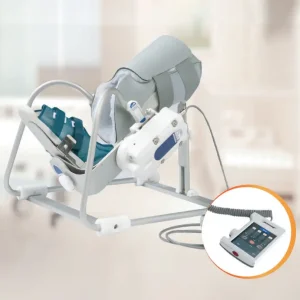
Our long-term R&D efforts focus on integrating sensor technology, robotic actuators, and wireless connectivity. This allows us to provide medical teams with portable, interconnected devices that can perform assessment and therapy in clinic environments or remote-care settings.
High-capacity production lines designed to support global supply demands.
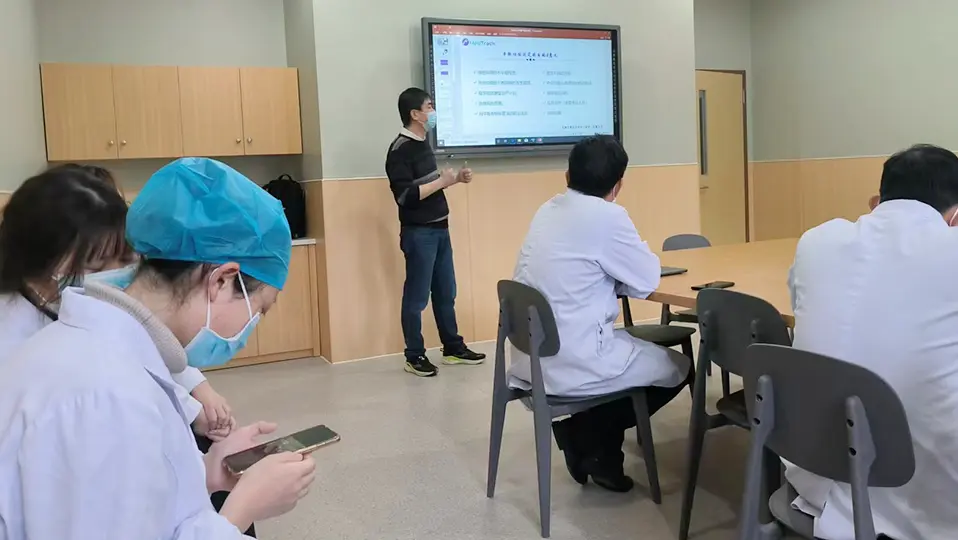
10,000+ sqm Production Facility
Rigorous Quality Standards

Comprehensive Global Support
Key information regarding regulatory compliance, hardware customizability, and operational support.
Explore our complete selection of dynamic biomechanical scanners, therapeutic lasers, robotic stimulators, and orthopedic training devices.
 MedTrack