Premium OEM solutions engineered to facilitate physiological detox, neuromodulation, and motor control recovery.
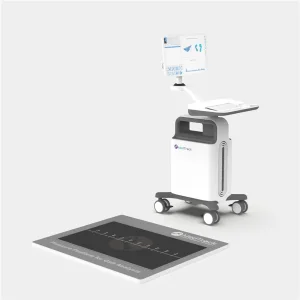
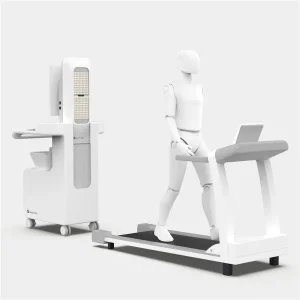
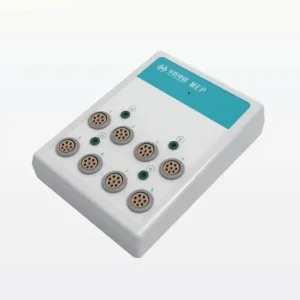
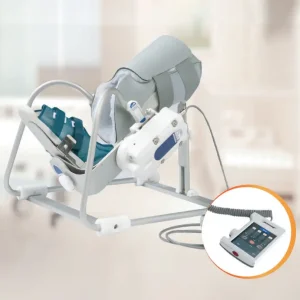
Analyzing the intersection of electro-physical agents, metabolic detoxification pathways, and neuro-rehabilitation engineering.
Detoxification is historically viewed through a biochemical lens, focusing heavily on hepatic and renal clearance. However, contemporary physical medicine reveals that somatic and lymphatic circulation are the true rate-limiting structures for metabolic waste clearing. By leveraging targeted physical factors—such as transcranial electrical stimulation (tES), multi-polar electromagnetic fields, and ballistic acoustic shockwaves—medical-grade devices directly accelerate cellular detoxification cycles.
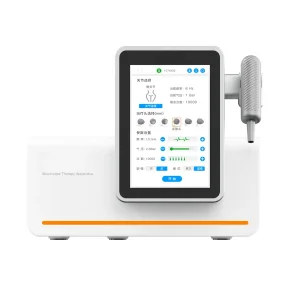
For instance, Pneumatic Shock Wave Therapy induces transient mechanical stress on microvessels. This stress triggers a cascade of localized nitric oxide (NO) release, drastically increasing vascular permeability and accelerating the washout of accumulated inflammatory markers, heavy metals, and toxic cellular debris from deep muscle tissue. Similarly, advanced neuromuscular electrical stimulation (NMES) activates muscle pumps that restore venous return and clear interstitial edema, bypassing sluggish lymphatic pathways.
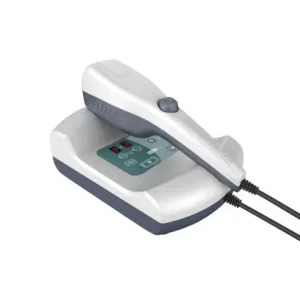
Chemical dependencies and metabolic encephalopathies disrupt neural pathways, manifesting as autonomic deregulation, sleep failure, and chronic neurological fatigue. Transcranial Electrical Stimulation (tES) devices operate at micro-current thresholds to gently modulate cortical excitability. Through localized current delivery, these systems encourage the restoration of natural neurotransmitter balances—especially dopamine and GABA—which are systematically degraded during physiological toxicity and withdrawal.
Our OEM magnetic stimulation systems utilize deeply targeted, repetitive pulsed electromagnetic fields (rTMS) to stimulate target cerebral areas. Under rTMS control, neural plastic changes occur, helping patients reset the autonomic nervous system. This shifts the patient away from persistent sympathetic hyper-arousal (fight-or-flight) and into a parasympathetic state that maximizes endogenous organ detox, cellular repair, and deep somatic recovery.
The most professional pain management expert, deeply engaged in the field of rehabilitation medicine.
Focused on the research, development, and manufacturing of rehabilitation medical equipment for 15 years, integrating R&D, production, and sales to create a full-cycle closed loop. Xinkang Biomedical is a domestic leader in physical factor treatment products such as electrotherapy, light therapy, magnetic therapy, pressure therapy, and spinal and sports therapy products.
Through comprehensive product solutions, we have built a systematic framework for development. By cooperating closely with colleges, research centers, and tertiary medical clinics, we have established a mature system integrating industry, teaching, research, and application. In China, our products have successfully covered more than 75% of tertiary medical units and most rehabilitation clinical departments.
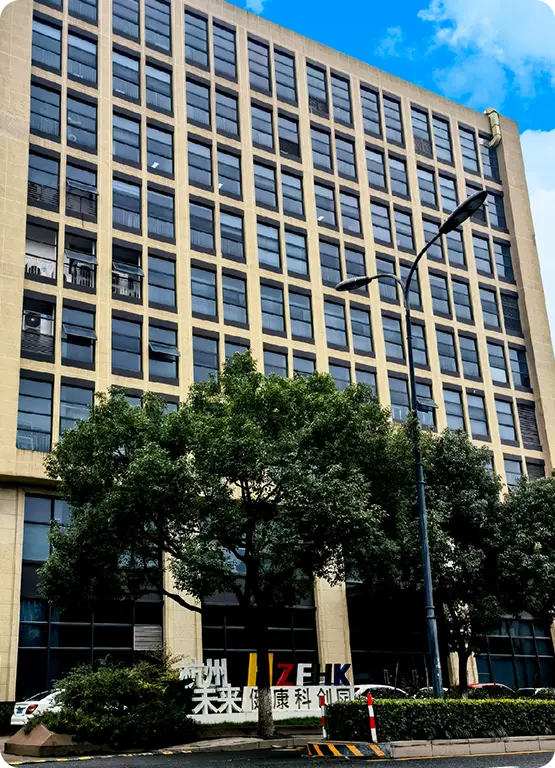
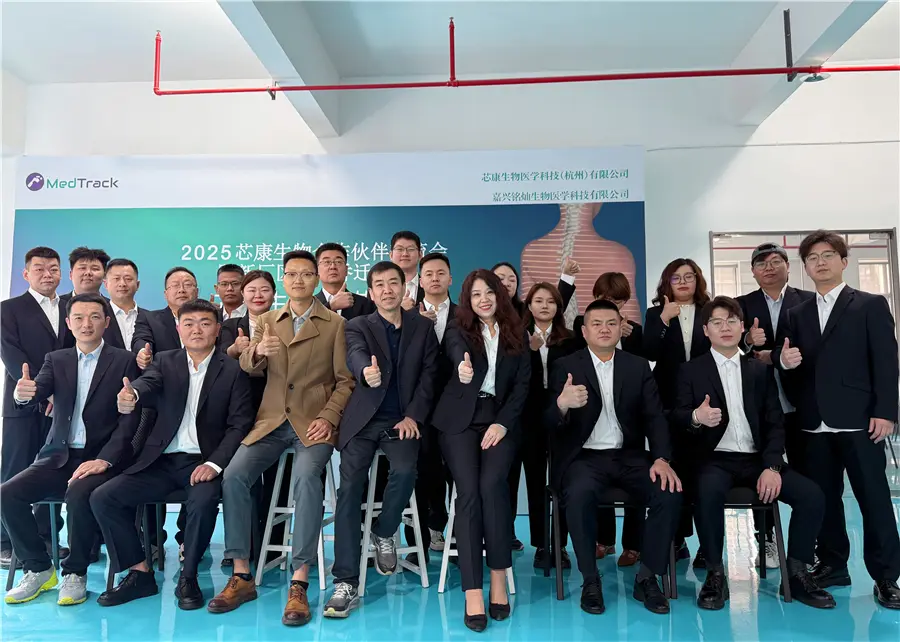
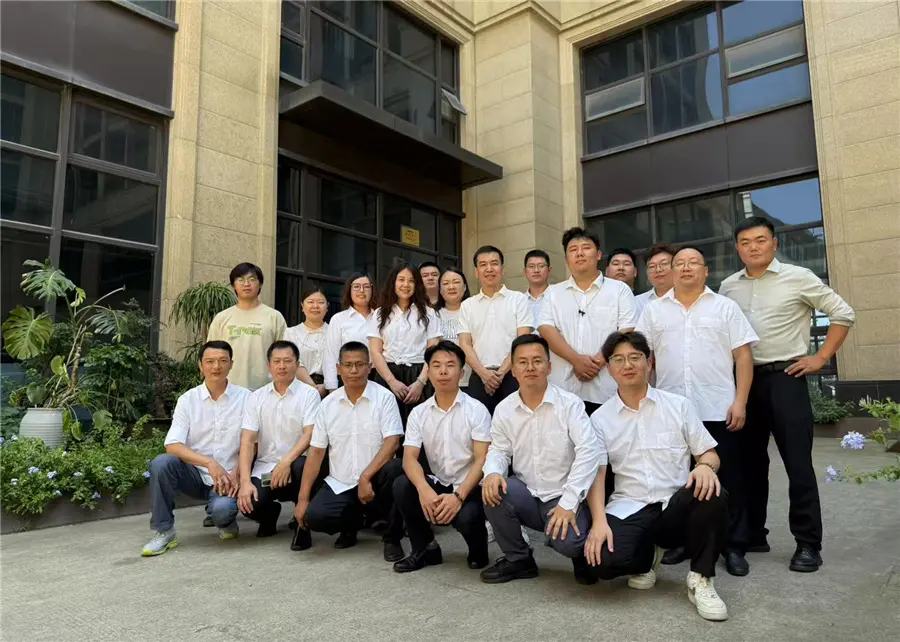
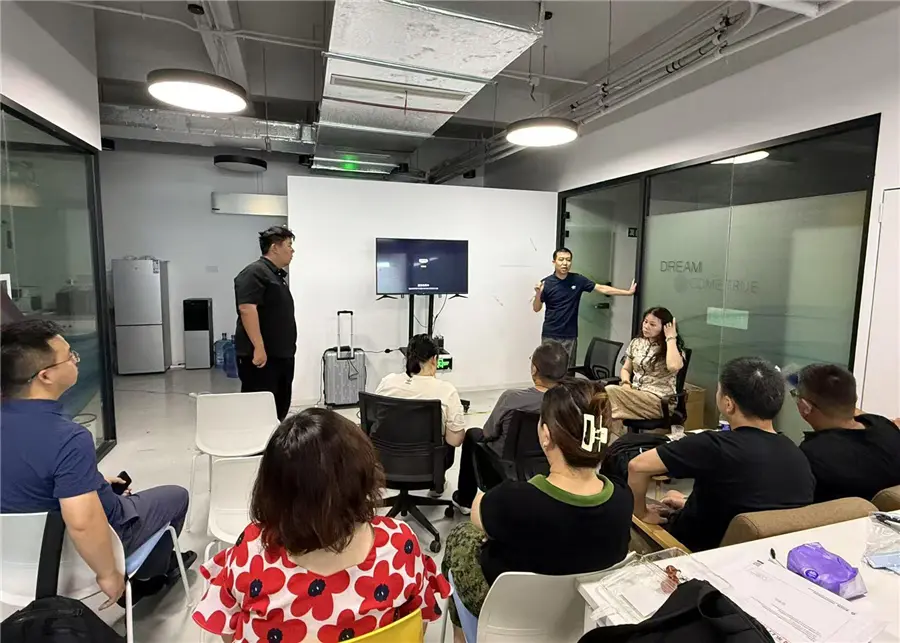
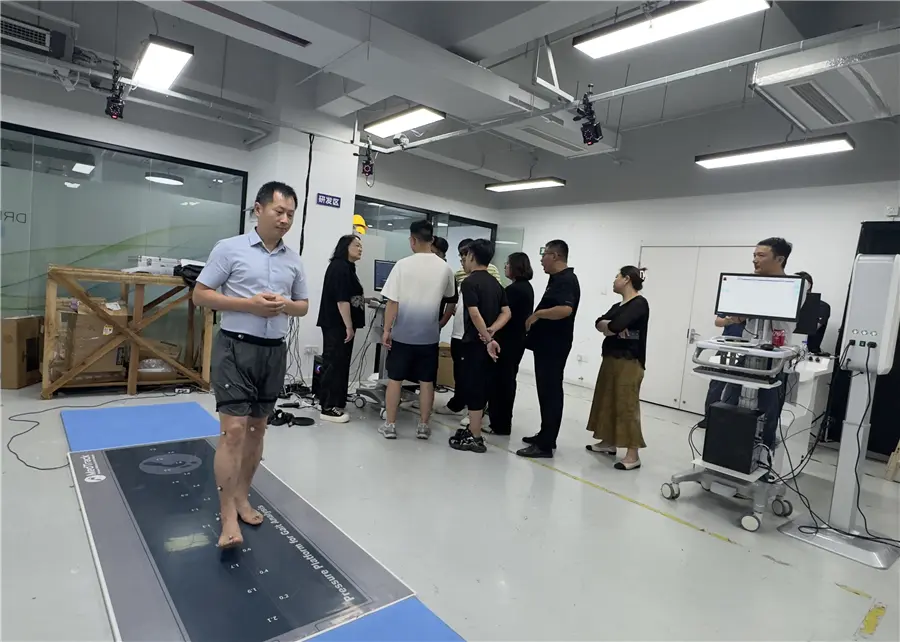
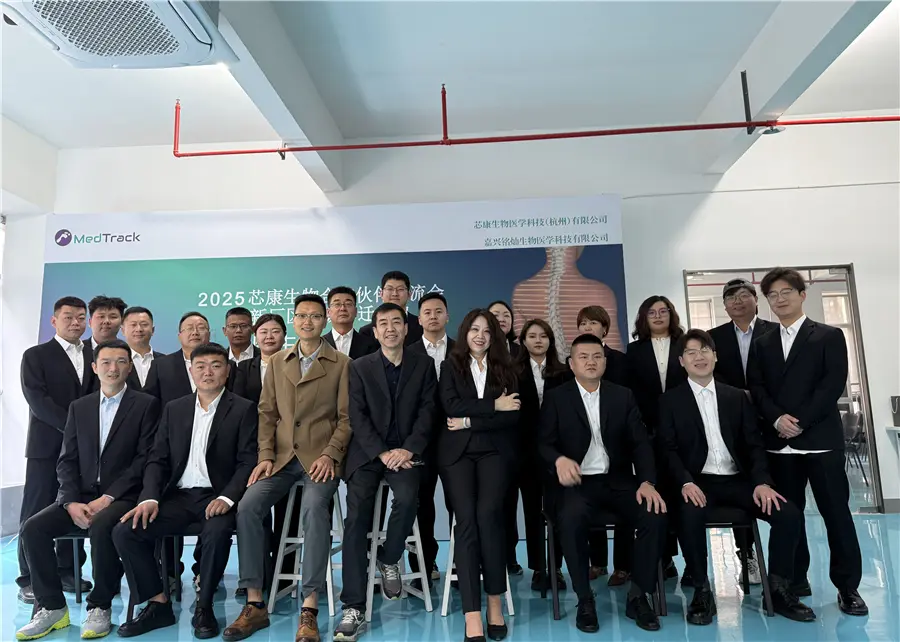
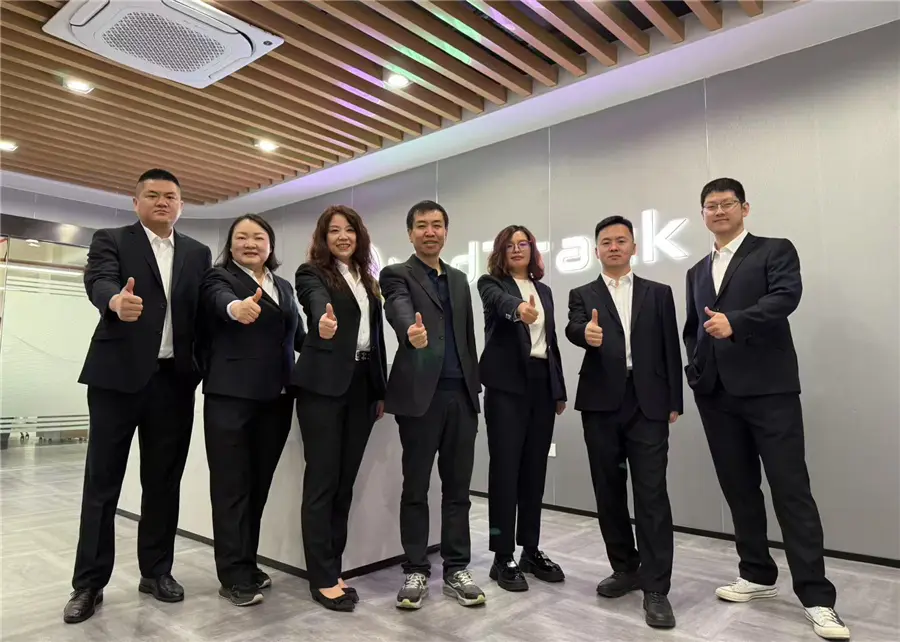
Why medical manufacturers located in the Yangtze River Delta deliver unmatched cost-efficiency, speed, and hardware engineering precision.
Strategically positioned in China's prime industrial belt with access to immediate raw material processors, CNC machinists, and electrical component suppliers.
Supported by professional assembly staff, QA engineers, regulatory assistants, and a dedicated team of engineers with 10+ years in medical instrumentation.
High-precision lines with advanced circuit testing machines, diagnostic calibrators, and environmental stress chambers for rigorous product testing.
By basing our manufacturing infrastructure in the Changshanjiao (Yangtze River Delta) medical-tech production cluster, Xinkang Biomedical leverages a completely integrated supply network. From raw medical-grade steel fabrication to high-precision micro-processor SMT placement, everything occurs within a 50-mile radius. This dramatic concentration of logistics cuts lead times by up to 45% compared to isolated manufacturers and shields clients from global supply chain shocks.
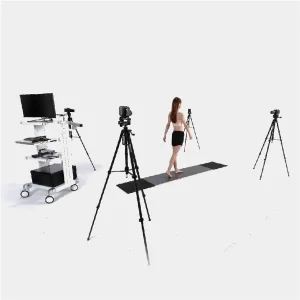
Furthermore, our engineering teams are all educated at leading global universities, fusing software capabilities (AI, balance analysis systems, gait detection algorithms) with hardware design. This ecosystem ensures that we can quickly modify housing designs, update circuit topologies, and optimize device features while keeping production costs significantly lower than in Western Europe or North America.
When importing clinical equipment into target regions (such as North America, EU, APAC, or Latin America), regulatory compliance is a major barrier. Xinkang Biomedical guarantees total transparency and provides comprehensive paperwork support.
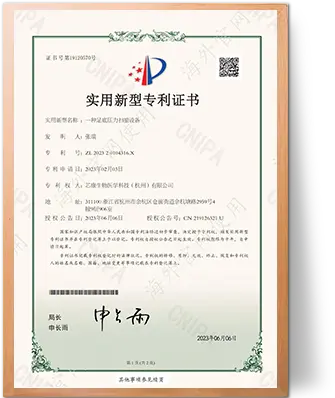
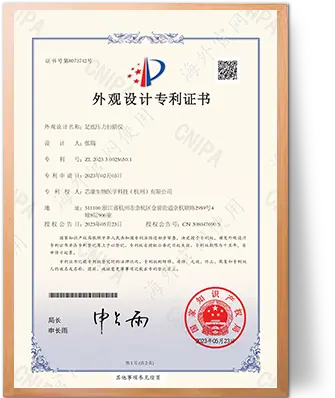
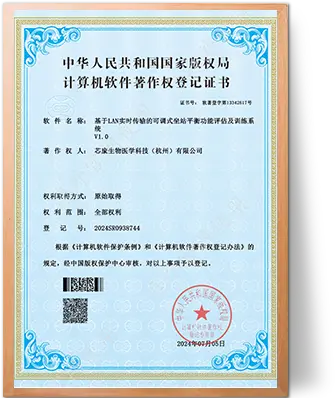
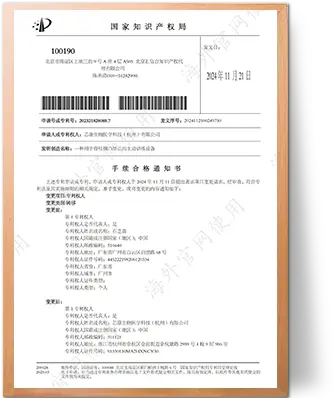
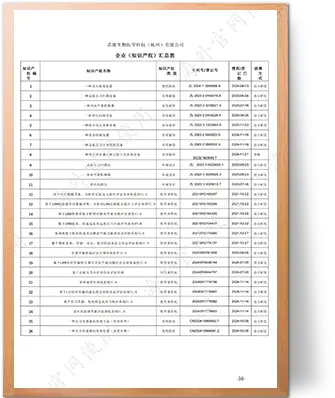
We operate with absolute respect for intellectual property rights. Xinkang maintains an extensive portfolio of independent innovations, protecting our OEM partners from structural copyright issues:
1 Invention Patent | 3 Design Patents | 7 Utility Model Patents | 13 Software Copyrights | 10 Registered Trademarks
Industrial CAD layout, circuit board customization (PCB), UI layout design, and structural casing prototyping.
Constructing initial functional units, passing through electrical stress trials, and obtaining safety validation certificates.
Running volume production across 30+ dedicated lines, overseen by certified quality inspectors.
Coordinating direct port shipping, providing assembly video courses, and supplying troubleshooting guides.
Analyzing shifts in global clinical technologies, AI data monitoring, and decentralized patient care systems.
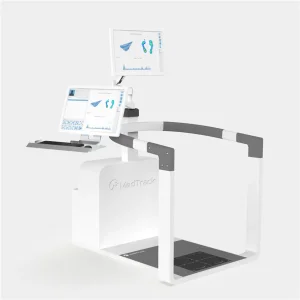
Modern clinical setups expect continuous telemetry. Integrated software algorithms in gait devices and balance tables now deliver raw pressure mapping and muscular fatigue indexing directly to central databases.
The move toward home-based rehabilitation requires clinical quality wrapped in small, portable casings. Portable spine measurement devices and micro-current stimulators are fast replacing large, complex machines.
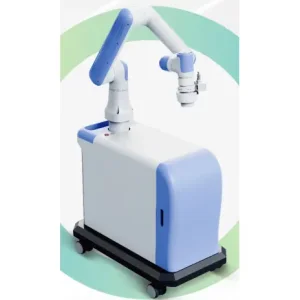
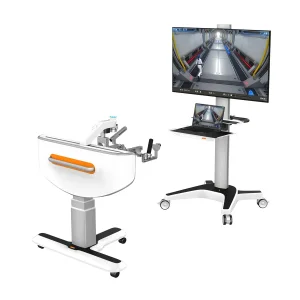
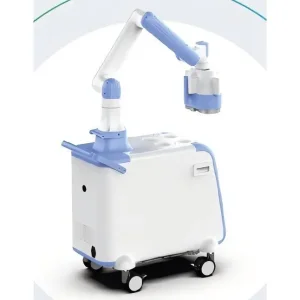
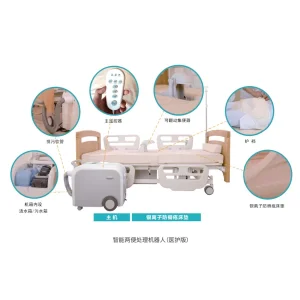
Robotic systems are replacing manual patient manipulation. Automated robotic systems (like our automated moxibustion and muscle release platforms) maintain uniform clinical delivery without risk of fatigue.
In the next decade, clinical recovery systems will prioritize highly personalized treatment regimens. The integration of 3D orthotic design tools and instant, cloud-based posture assessment software means treatment protocols will adjust dynamically based on daily clinical metrics. Healthcare systems are actively transitioning to this digitized framework, driving high demand for OEM partners capable of designing software-defined medical hardware.
How global providers leverage Xinkang Biomedical products across various specialized healthcare settings.
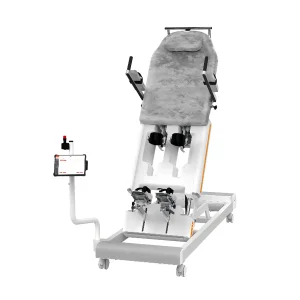
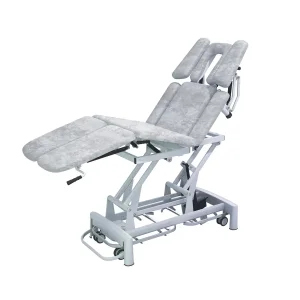
Used to run daily post-surgical motor recovery protocols, diagnostic posture reviews, and automated spine mobilization therapy. These medical-grade setups demand long operational runtimes and strict compliance clearance.
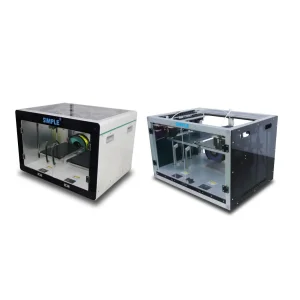
Utilizes custom 3D insole printers and plantar pressure evaluations to tailor orthotic support for elite athletes, while shockwave devices quickly clear lactic acid and micro-trauma from soft tissues.
Deploying transcranial electrical stimulators and automated thermal/moxibustion robots to restore nervous system balance, reduce stress levels, and facilitate cellular metabolic clearing.
Crucial insights regarding engineering options, lead times, regulatory compliance, and factory capabilities.
Premium OEM rehabilitation robotics and clinical physical therapy solutions.
 MedTrack