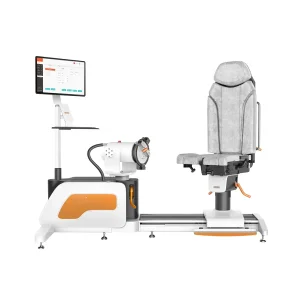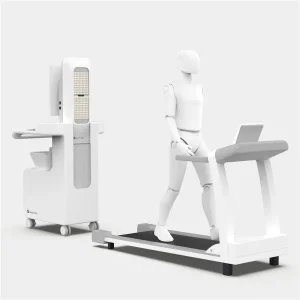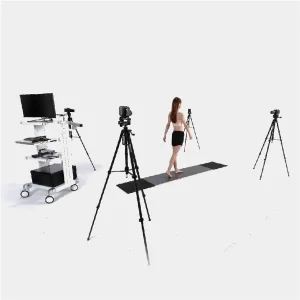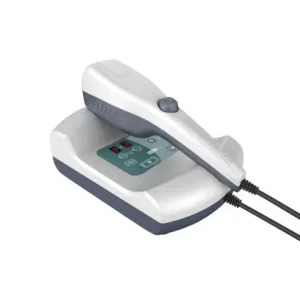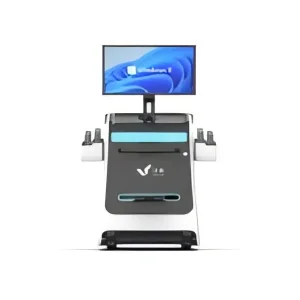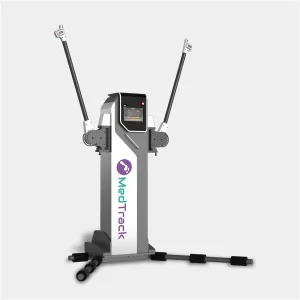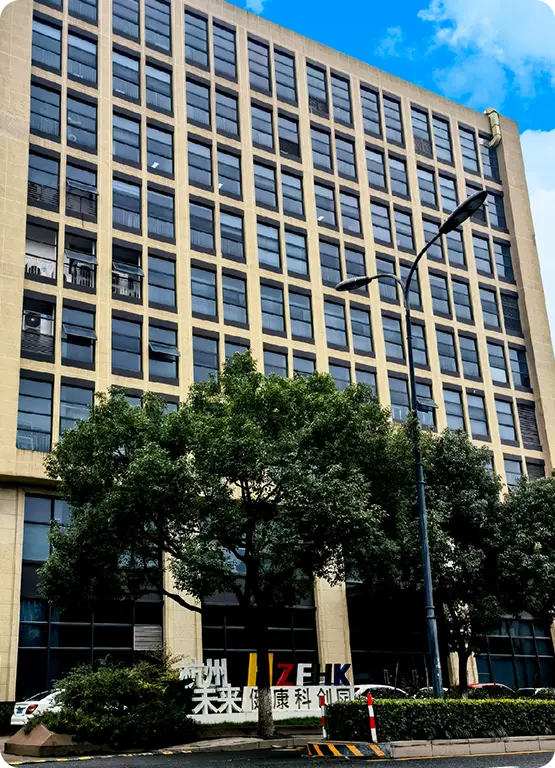
As a premier China Cervical Traction Saunders Manufacturer, Xinkang Biomedical Technology has dedicated 15 years to the research, development, and high-end manufacturing of rehabilitation medical equipment. We operate with a 30-year legacy of industry experience, creating a full-cycle closed loop that integrates professional R&D, streamlined production, and global sales.
Our company stands as the most professional pain management expert in China, deeply engaged in the fields of orthopedic and neurological rehabilitation. We lead the domestic market in physical factor treatment products, including electrotherapy, magnetic therapy, and revolutionary spinal therapy systems.
The global demand for non-invasive spinal treatment has seen a significant surge. As the "text neck" phenomenon and sedentary lifestyles increase the prevalence of cervical spondylosis, the Cervical Traction Saunders model has become the gold standard for clinical and home-based decompression. Manufacturers worldwide are shifting from rudimentary traction belts to high-precision, pneumatic systems that prioritize patient comfort and biomechanical accuracy.
The market for orthopedic rehabilitation equipment is projected to grow at a CAGR of 6.5%, with spinal health being a key driver in North America, Europe, and Asia-Pacific.
The industry is moving toward Intelligent Feedback and digital monitoring, allowing therapists to track traction force and duration via mobile applications.
China has emerged as the global hub for Cervical Traction Saunders Manufacturing, offering a unique blend of sophisticated engineering and cost-competitive production.
International distributors and medical institutions are increasingly seeking manufacturers who can provide:
From the specialized orthopedic hospitals in Germany to the private physiotherapy clinics in the USA, Cervical Traction Saunders Manufacturers must cater to:
🔹 Clinical Settings: Heavy-duty units integrated with patient management software.
🔹 Sports Rehabilitation: Portable Saunders devices for professional athletes.
🔹 Telehealth/Home Care: Easy-to-use, safe traction devices for patient-administered therapy under remote supervision.
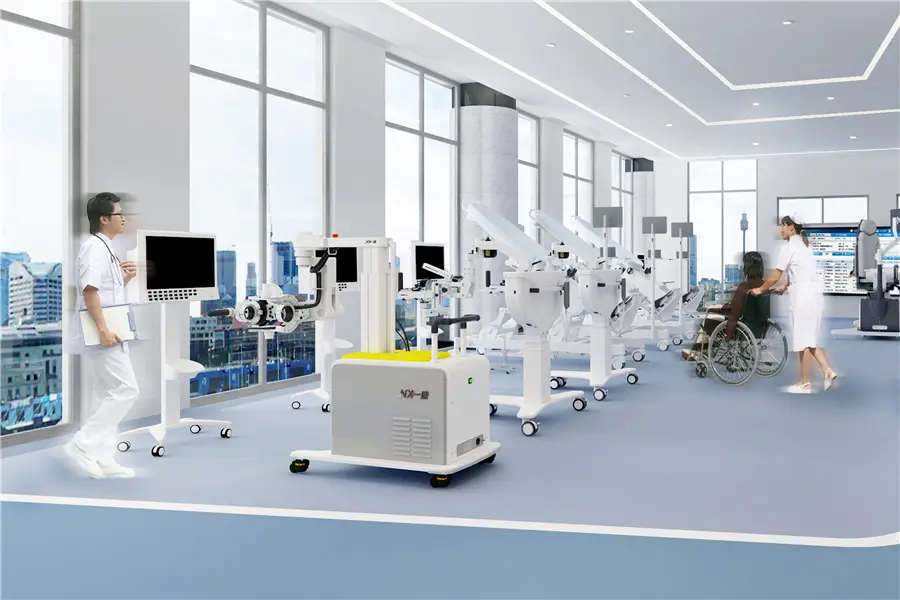
Located in the Changshanjiao industrial zone, we benefit from a comprehensive medical device supply chain, reducing lead times and ensuring component quality.
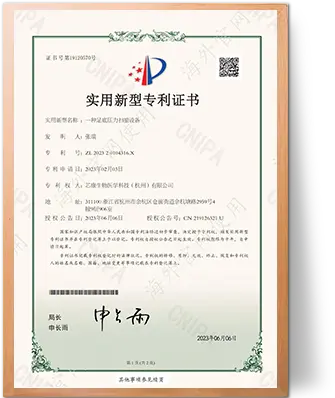
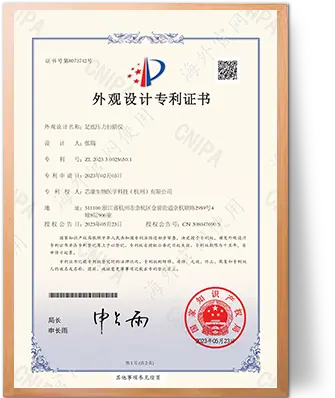
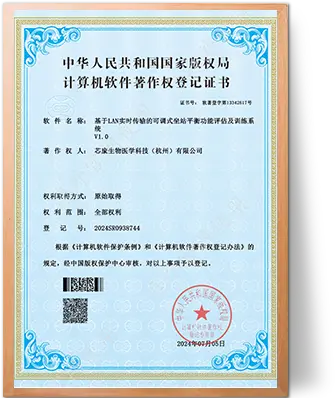
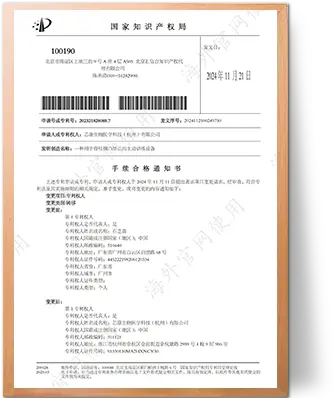
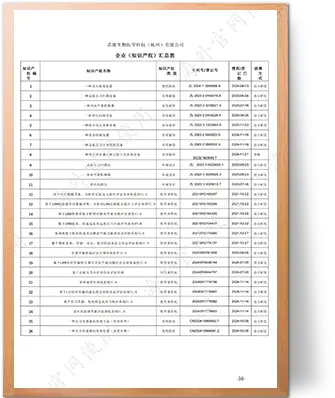
Our team holds 1 invention patent, 7 utility model patents, and 13 software copyrights. We don't just manufacture; we innovate spinal biomechanics.
We use international quality standards as our baseline, with 30+ standard OEM production lines and rigorous testing protocols for every traction unit.
Strong Production Capacity: Our factory covers over 10,000 square meters with more than 200 skilled employees. We offer more than 30 standard OEM production lines and state-of-the-art testing equipment.
Expert R&D Team: Our engineers possess over 10 years of experience in rehabilitation equipment design. We offer personalized customized services including equipment branding, marketing support, and academic cooperation.
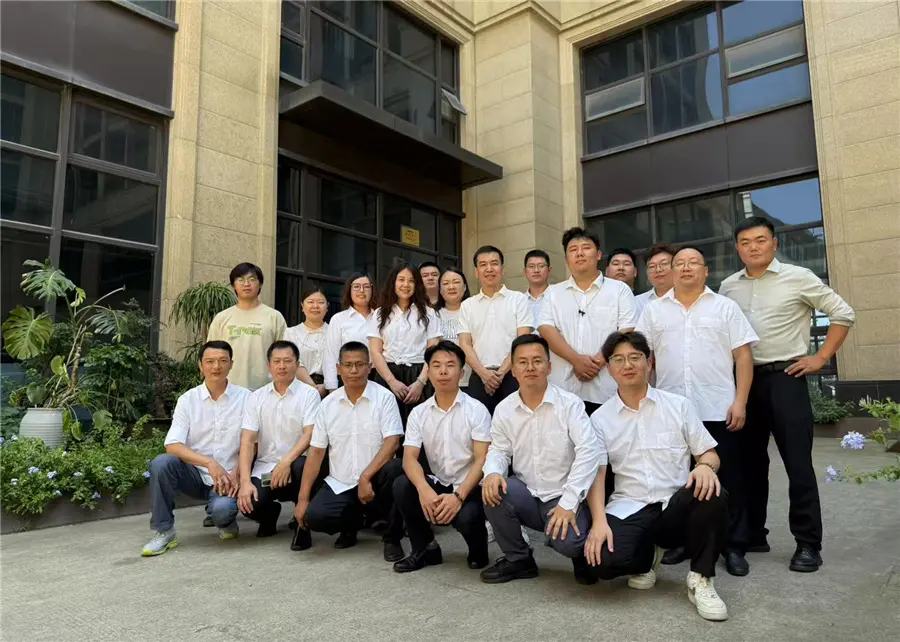
Through systematic development and cooperation with top-tier colleges and medical centers, our products cover more than 75% of tertiary medical units in China.
We provide high-quality medical device products to over 5,000 OEM customers globally, bridging the gap between advanced technology and clinical affordability.
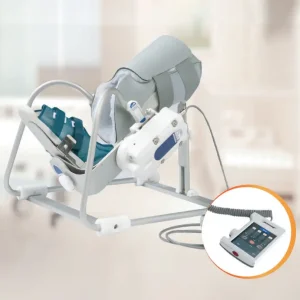
The Saunders Cervical Traction method is unique because it pulls through the occiput, rather than the chin, eliminating TMJ (temporomandibular joint) compression—a common complaint with traditional devices. As a specialized manufacturer, Xinkang Biomedical focuses on the mechanical precision of this traction curve.
Our engineering team ensures that the pneumatic cylinders provide smooth, consistent force without sudden jerks, which is critical for patients with acute disc herniation. By utilizing medical-grade high-polymer materials, we ensure that our cradles are skin-friendly and durable, maintaining their ergonomic shape over thousands of cycles.
Looking forward, our R&D roadmap includes the integration of Automated Robotics (similar to our Moxibustion Robot) into spinal therapy. By combining 3D Spine Posture Measurement with traction devices, we aim to create a closed-loop system where the device adjusts its traction angle and force automatically based on the patient's real-time postural data.
 MedTrack