Explore our flagship physical factor, biomechanical feedback, and digital neuromodulation solutions engineered for clinical excellence.
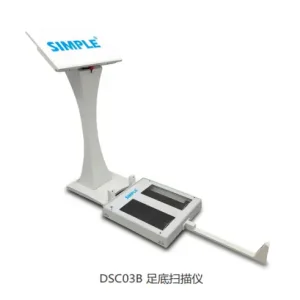
Biofeedback therapy represents the intersection of digital neurophysiology, real-time biomechanical monitoring, and closed-loop neuromodulation. As medical standards shift globally toward evidence-based functional restoration, biofeedback modalities—specifically surface electromyography (sEMG), multi-joint kinetic feedback, transcranial electrical stimulation (tES), and 3D spinal/gait kinematics—have emerged as crucial standards of care in neurological, orthopedic, and pelvic floor rehabilitation.
As a leading China Biofeedback Therapy Manufacturer, Xinkang Biomedical Technology (Hangzhou) Co., Ltd. stands at the forefront of this industrial transformation. With over 30 years of broader medical device experience and 15 dedicated years in physical rehabilitation R&D, Xinkang integrates physical factor therapies (electrotherapy, phototherapy, magnetotherapy, and pressure therapy) with intelligent digital biofeedback algorithms.
Strategic Paradigm Shift: Modern biofeedback goes beyond passive physiological monitoring. By translating real-time biopotentials, kinetic forces, and spatial postural dynamics into interactive visual and tactile loops, clinicians achieve neuroplastic re-education up to 40% faster than traditional kinetic exercises.
The global biofeedback devices market is expanding rapidly, driven by aging demographics, rising stroke survival rates, and an unprecedented focus on non-invasive chronic pain management.
China's Yangtze River Delta industrial hub provides an unmatched component ecosystem, allowing Xinkang to deliver ultra-precise medical hardware with strict international compliance.
Integrating sEMG quantitative data with robotic feedback guarantees measurable patient outcomes, fulfilling strict hospital reimbursement criteria globally.
An in-depth analysis of the bio-signal acquisition, biomechanical torque assessment, and physical factor interference technologies driving next-gen therapeutics.
At the center of Xinkang's biofeedback architecture is high-fidelity microvolt sEMG signal processing. By capturing muscle action potentials via high-impedance, noise-filtered surface electrodes, our devices quantitate motor unit activation. When paired with functional electrical stimulation (FES/NMES), the system operates on a closed-loop principle: once the patient's voluntary sEMG threshold is breached, the device triggers synchronized electrical pulses to execute the full functional movement, reinforcing spinal cord synaptic plasticity.
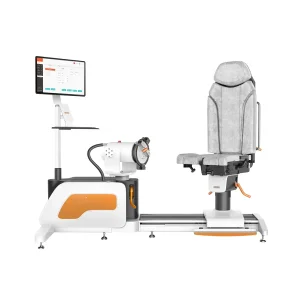
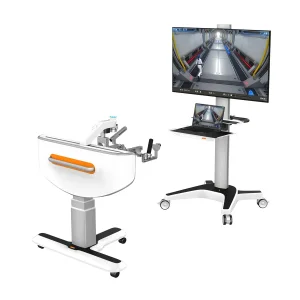
Isokinetic dynamometry represents the gold standard for joint function evaluation and muscle strength rehabilitation. Xinkang's Isokinetic Training and Testing Systems maintain a constant angular velocity despite varying patient effort. Real-time feedback sensors measure peak torque, total work, and agonist/antagonist strength ratios across velocity spectrums (from slow 30°/s power testing to fast 300°/s endurance training), preventing joint overload while maximizing neuromuscular recruitment.
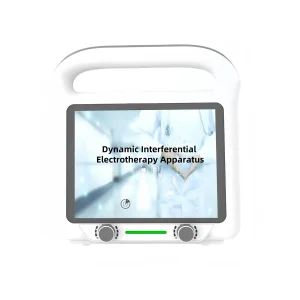
Moving beyond conventional TENS/ENS, Xinkang's mobile compound wave dynamic interference electrotherapy utilizes medium-frequency carrier currents (typically 2000Hz - 5000Hz) intersecting inside deep tissue layers. This creates a low-frequency beat current (1Hz - 150Hz) directly within deep muscle beds. The biofeedback mechanism continually adjusts beat frequencies based on pain threshold dynamics, mitigating neural accommodation and facilitating deep tissue vasodilation, edema absorption, and pain relief.
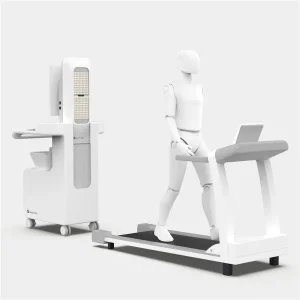
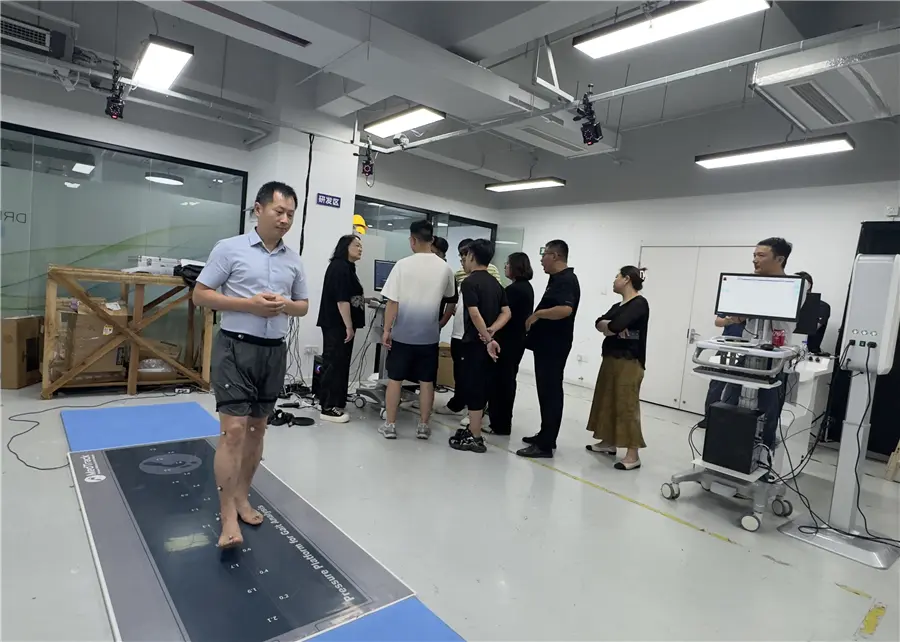
Biofeedback extends to structural biomechanics. Xinkang's 3D Spine Posture Measurement and 3D Foot Scanning systems utilize structured light and tactile force matrices to reconstruct 3D skeletal geometry. By providing visual postural alignment biofeedback to patients during gait and standing trials, postural motor control is systematically retrained, allowing for custom orthotic manufacturing via 3D Insole Printing technologies.
Demonstrating decades of manufacturing rigor, proprietary intellectual property, and extensive clinical penetration.
Xinkang Biomedical Technology (Hangzhou) Co., Ltd. is committed to improving human life quality through continuous innovation across pain management, orthopedic rehabilitation, neurological recovery, and mobile healthcare. As a domestic pioneer in physical factor treatment systems, our portfolio seamlessly integrates electrotherapy, light therapy, magnetic stimulation, pressure therapy, and sports medicine devices into a full-cycle, closed-loop R&D and manufacturing matrix.
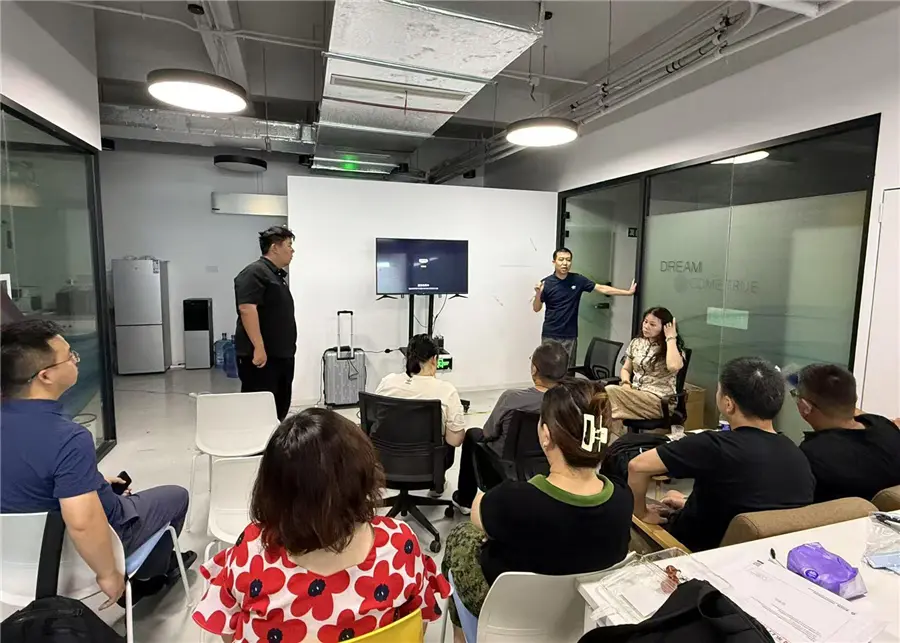
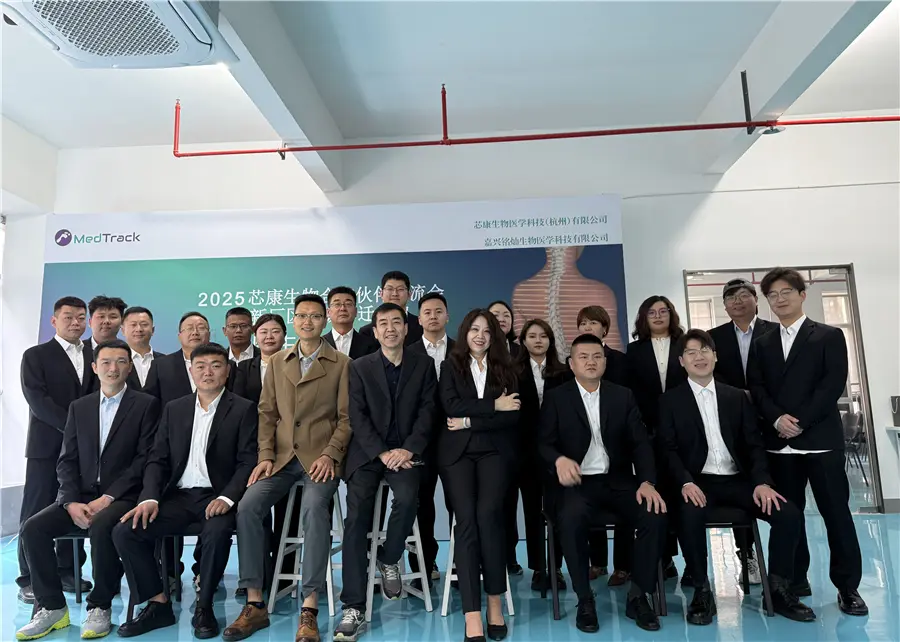
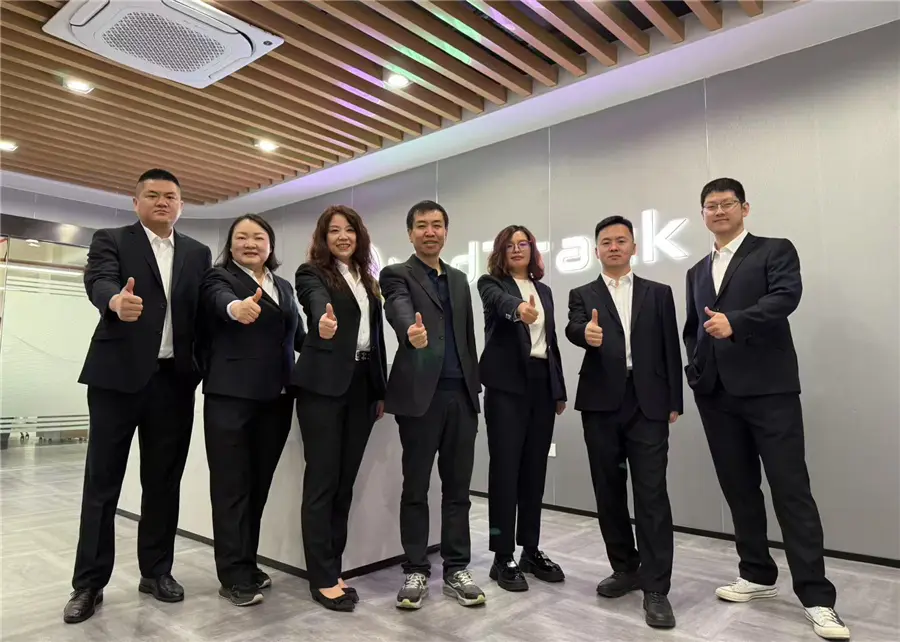
Xinkang’s dedication to independent technical innovation is validated by a robust intellectual property portfolio:

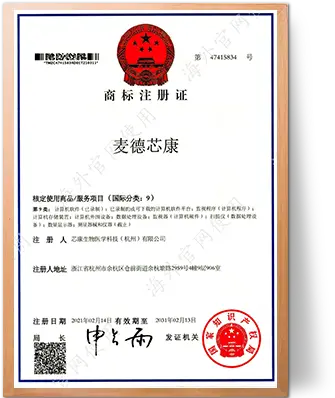
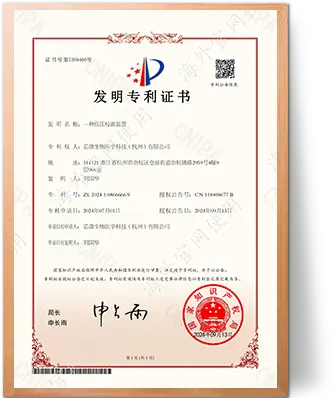
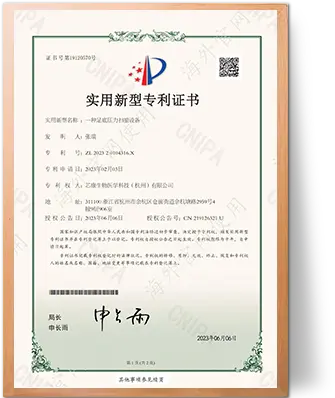
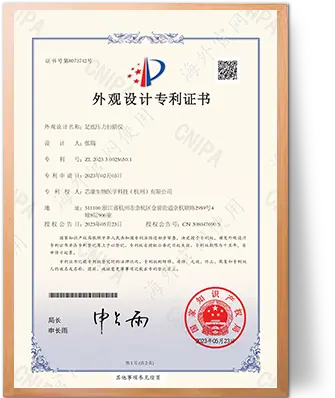
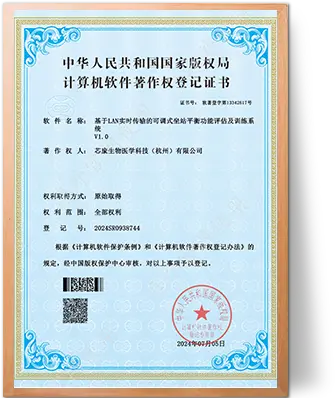
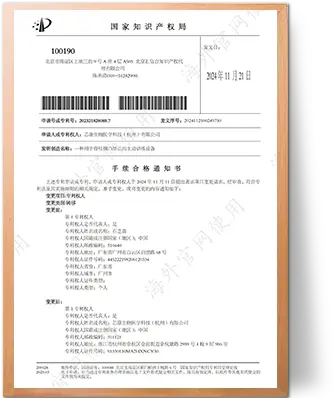
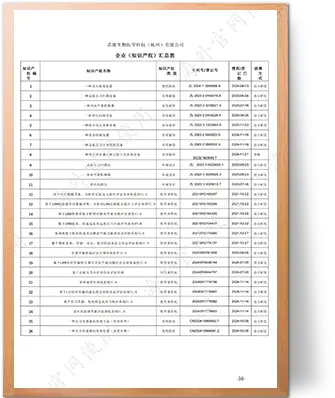
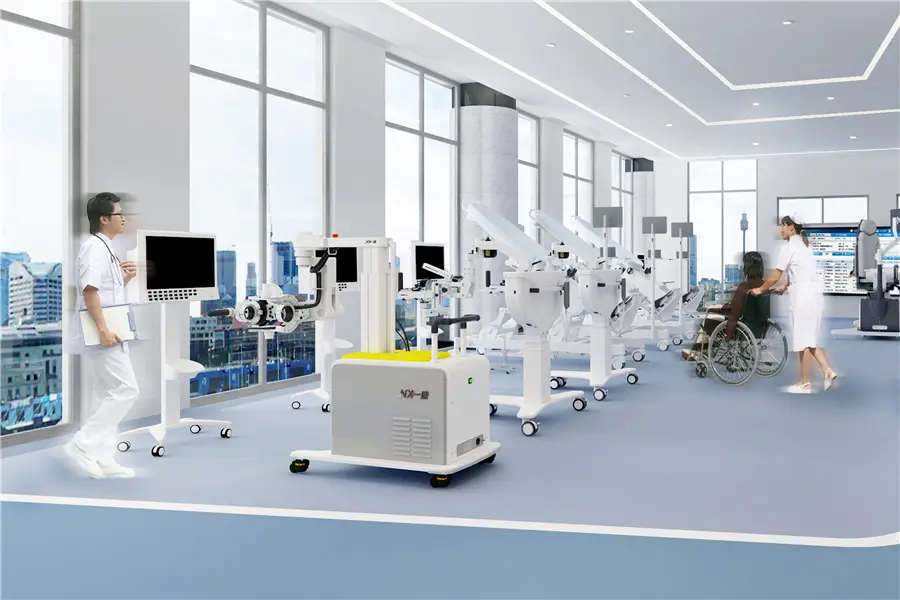
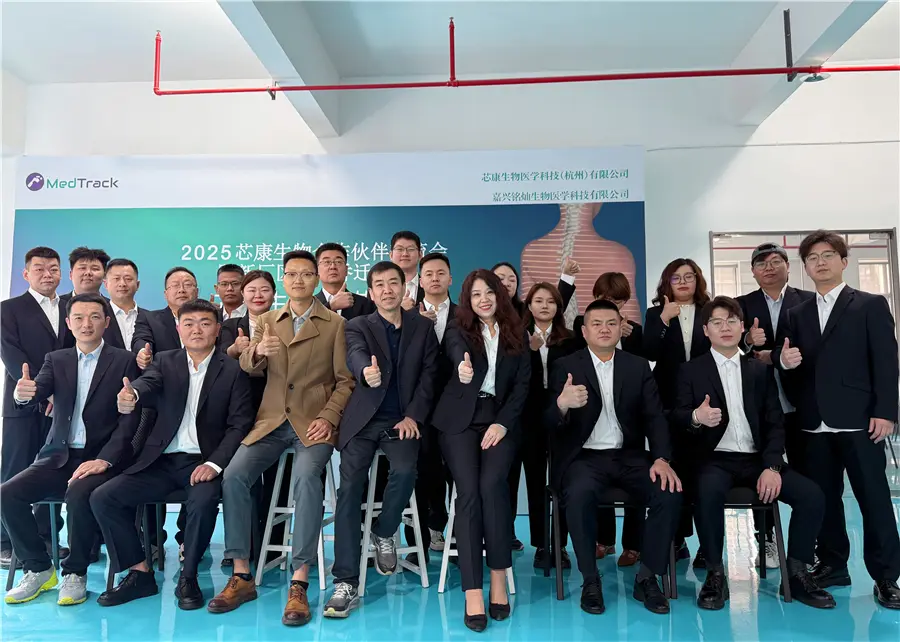
Through industry-leading solutions, Xinkang has perfected its product chain and built a systematic clinical R&D framework. Collaborating with top universities, research institutions, and medical centers, we have forged an integrated ecosystem combining industry, teaching, research, healthcare, and application. In China, our equipment covers over 75% of tertiary (Class A) medical institutions and the vast majority of clinical rehabilitation departments.
Relying on strict quality assurance systems matching global peer benchmarks, Xinkang actively exports biofeedback and rehabilitation platforms across Europe, North America, Southeast Asia, and the Middle East, offering localized compliance support and customized OEM solutions.

Unmatched production scale, certified precision engineering, and complete B2B customized service pipelines.
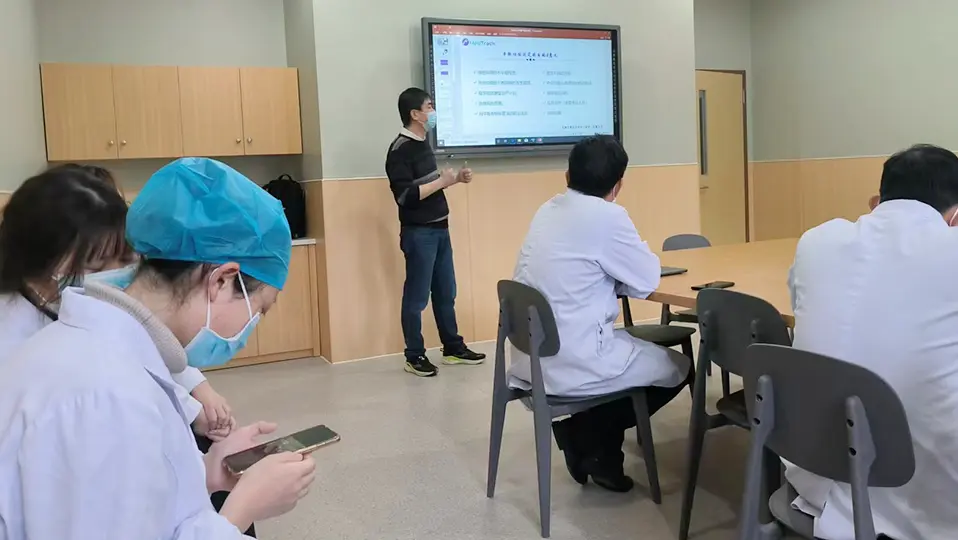
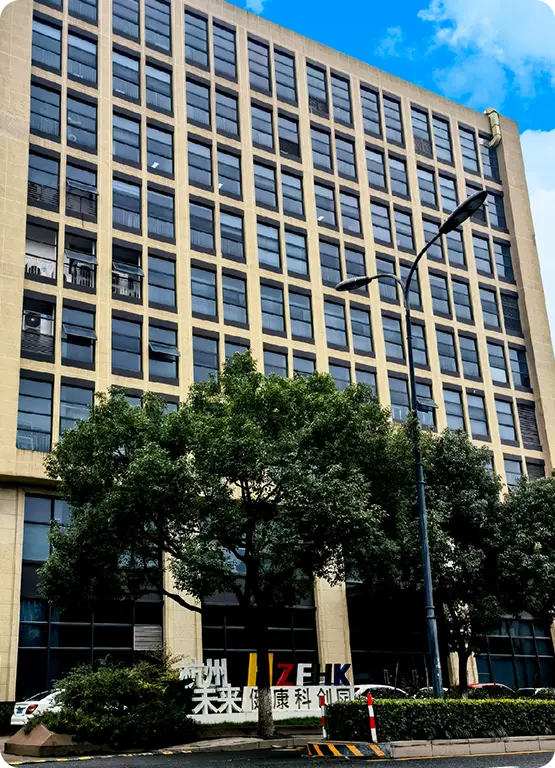
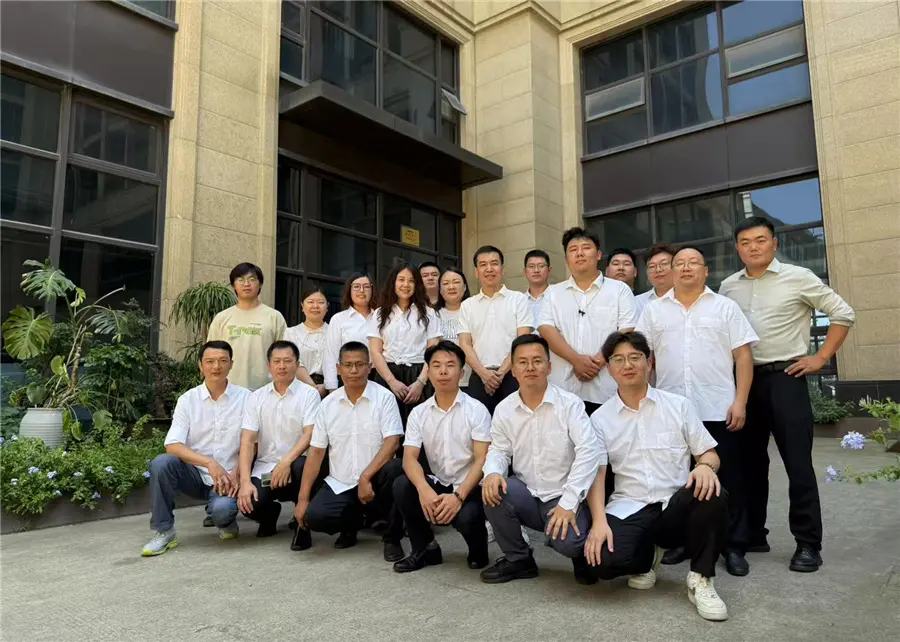
Located within China’s premier Changshanjiao (Yangtze River Delta) industrial ecosystem, our factory spans over 10,000 square meters with more than 200 skilled employees. Equipped with 30+ standardized OEM production lines and advanced test rigs, backed by 20+ years of active production mastery.
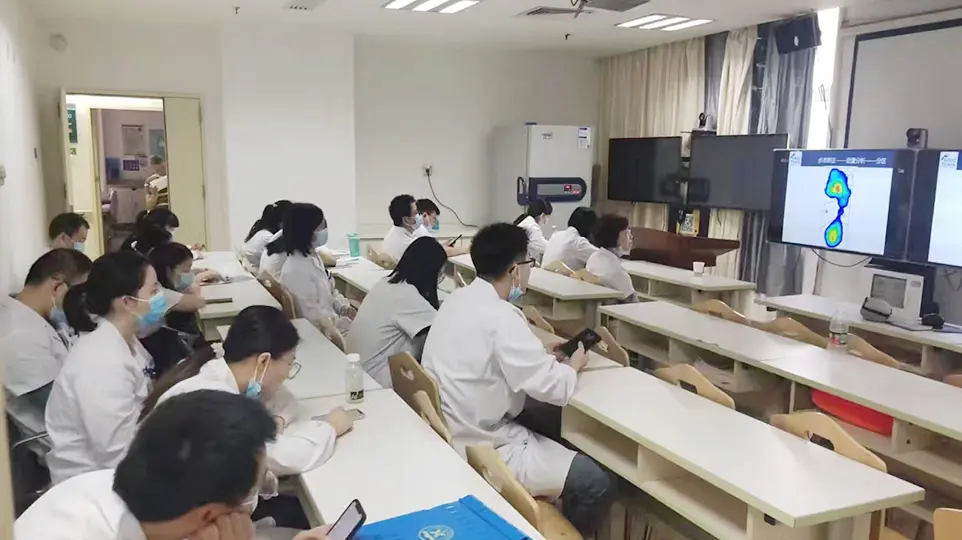
Fully compliant with national and international medical supervision regulations. Over 5,000 corporate OEM clients rely on our certified quality system, which enforces rigorous process-level inspection from raw PCB component verification to final bio-signal validation.
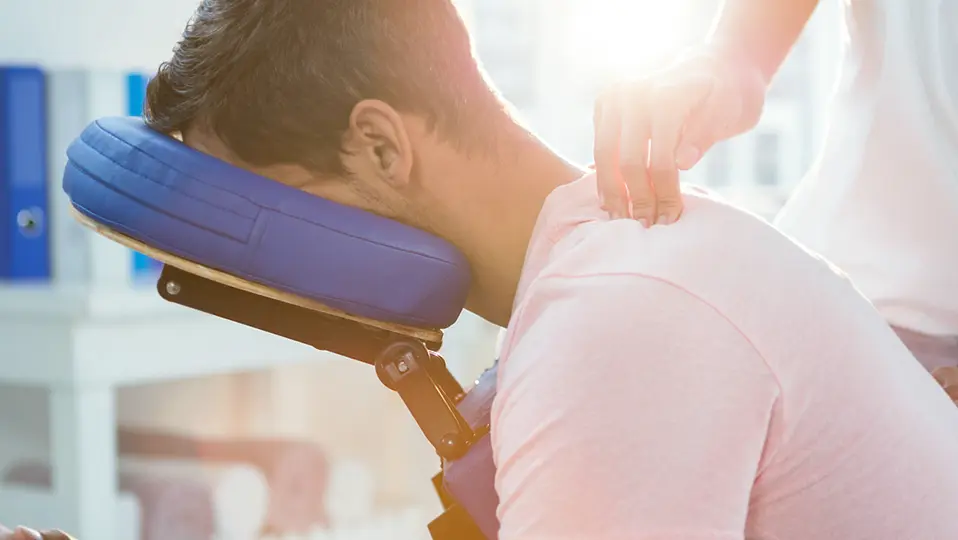
Our R&D engineers possess 10+ years of dedicated expertise in medical equipment software and hardware design. We offer tailored customization spanning hardware firmware, ergonomic chassis design, custom sEMG protocols, branding, and academic research collaboration.
We provide end-to-end client support including technical product training, assembly guidance, maintenance courses, spare parts fulfillment, and localized marketing support to maximize distributor market penetration.
Targeted medical solutions designed to optimize clinical pathways in top-tier medical facilities and specialized rehabilitation centers.
In post-stroke hemiplegia, traumatic brain injury (TBI), and spinal cord injury (SCI) management, sEMG-triggered electrical stimulation breaks pathologically heightened flexor/extensor muscle tone. Devices like our Upper Limb Intelligent Feedback Training System and Wireless Transcranial Electrical Stimulator (tES) deliver simultaneous central and peripheral neuro-modulation, restoring cortical motor representation map size.
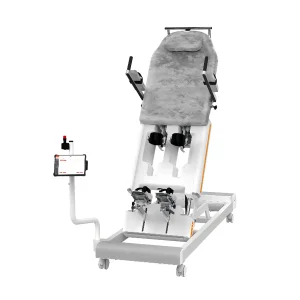
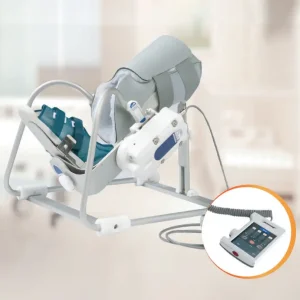
Following ACL reconstruction, total knee arthroplasty (TKA), or complex fractures, joint immobilization triggers arthrogenic muscle inhibition (AMI). Utilizing our Multi-joint Isokinetic System and Ankle Continuous Passive Training Instruments, clinicians safely mobilize joints within preset angle limits while capturing precise concentric/eccentric torque curves to eliminate muscular imbalances.
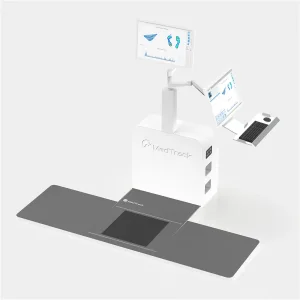
Diabetic peripheral neuropathy severely dampens plantar tactile perception, leading to aberrant peak pressure hotspots, ulceration, and eventual amputation. The Diabetic Foot Dynamics Monitoring and Analysis System monitors plantar pressure distribution during walking, providing real-time acoustic/visual postural correction while guiding the fabrication of pressure-relieving 3D printed orthotic insoles.
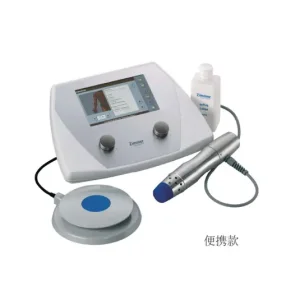
Combining Electromagnetic Ballistic Shock Wave Therapy, Smart Robotic Fascia Release Devices, and Mobile Compound Wave Electrotherapy allows multi-modal pain intervention. High-energy acoustic shock waves disrupt chronic calcifications, while compound interference waves stimulate endomorphin release, yielding immediate dynamic pain inhibition.
Pioneering the integration of AI pattern recognition, active-passive robotics, and intelligent traditional-western hybrid medicine.
As healthcare migrates toward decentralized, data-driven tele-rehabilitation, Xinkang Biomedical's R&D strategy focuses on three core technological frontiers:
Transitioning from basic amplitude-threshold sEMG to deep neural network (DNN) movement intention decoding. By interpreting multi-channel sEMG array signals, our upcoming control units predict complex multi-joint movement intentions 100 milliseconds before physical movement onset.
Integrating cloud-connected sensor matrices directly into wearable lower-limb and upper-limb walking assist robots. Real-time ground reaction forces and joint trajectory feedback dynamically modulate robotic motor assistance, encouraging active patient effort.
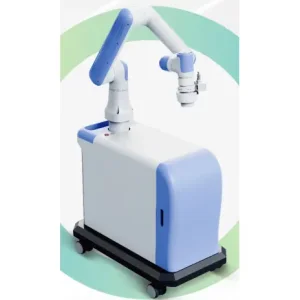
Combining precise thermal biofeedback sensors with multi-axis articulated arm robotics. Our Intelligent Moxibustion Robot maintains optimal therapeutic temperatures at precise acupuncture meridian points automatically, modernizing traditional healing modalities with clinical reproducibility.
Addressing essential technical, clinical, and procurement queries for hospital administrators, B2B importers, and medical OEM partners.
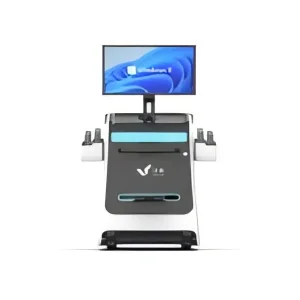
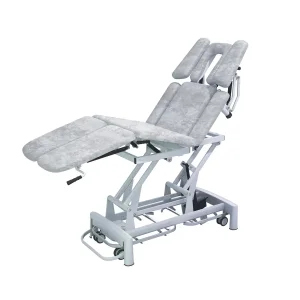
Explore our extended solutions for gait assist robotics, diabetic foot monitoring, transcranial electro-stimulation, and 9-section medical treatment tables.
 MedTrack