How to Utilize Movement Analysis System for Effective Rehabilitation?

Time:2026-09-03 Author:Isabella
0%

Effective rehabilitation is crucial for patients recovering from injuries or surgeries. Utilizing a Movement Analysis System For Rehabilitation can greatly enhance this process. This system captures body movements using advanced technology. Data collected helps clinicians tailor effective rehabilitation programs. By analyzing gait, posture, and biomechanics, therapists gain essential insights.

Moreover, the Movement Analysis System For Rehabilitation is not without challenges. Implementing such technology requires training and adaptation. Not all facilities have access to this system, limiting its use. Despite these obstacles, the benefits are undeniable. Individualized treatment plans can lead to faster recovery and better outcomes.

A focus on patient engagement is also vital. Patients must understand their progress and the technology's role. Clear communication between therapists and patients is key. By integrating movement analysis, rehabilitation can become more effective and targeted. This approach supports the evolution of therapeutic practices in a meaningful way.
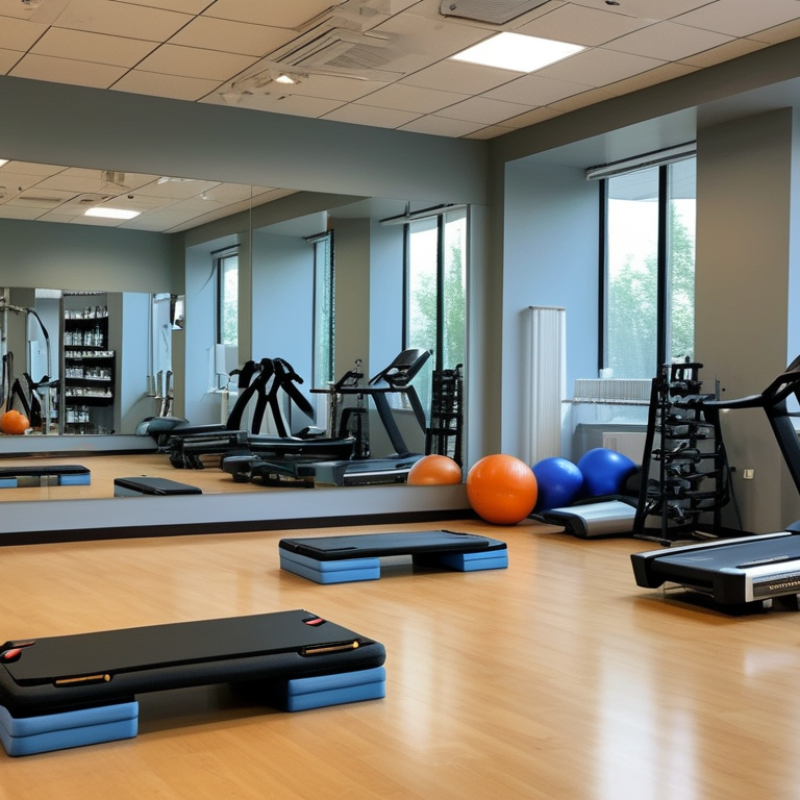
How to Utilize Movement Analysis System for Effective Rehabilitation?

Understanding Movement Analysis Systems in Rehabilitation

Movement analysis systems play a crucial role in rehabilitation. These systems capture and analyze the biomechanics of movement. With precise data, clinicians can identify movement patterns and abnormalities. A report from the American Physical Therapy Association indicates that effective assessments can increase rehabilitation success rates by up to 30%. Understanding these systems is vital for optimizing treatment plans.

Effective rehabilitation starts with accurate movement assessment. Clinicians can tailor exercises based on individual needs. For example, gait analysis can reveal issues causing pain or limiting mobility. This comprehensive analysis helps in identifying specific deficits and provides a roadmap for recovery. Utilizing video motion capture and pressure sensors can enhance this process.

Incorporating movement analysis can empower patients. Patients gain insights into their progress. They can see how specific exercises affect their mobility. It fosters motivation and adherence to rehabilitation plans. Remember, not every system is flawless. Continuous evaluation and adaptation of strategies based on patient feedback are essential for success.

Key Components of Movement Analysis for Effective Rehabilitation

Utilizing a movement analysis system effectively can significantly enhance rehabilitation outcomes. Key components include real-time motion capture, biomechanical assessments, and individualized feedback. Research shows that precise motion tracking can improve treatment plans by up to 30%. This technology allows therapists to gather critical data about a patient's movements, identifying patterns that might not be visible through conventional observation.

Real-time feedback plays a crucial role in engagement and motivation. When patients receive immediate information about their posture or movement, they are likely to make adjustments on the spot. This approach fosters awareness and corrects harmful habits. According to a survey by the Journal of Rehabilitation Research, 70% of patients reported feeling more empowered when using technology during their recovery. These improvements can lead to higher satisfaction rates and better adherence to therapy.

However, it’s important for clinicians to remain aware of the limitations of such systems. While technology can provide valuable insights, it may not capture the full clinical picture. Human interpretation remains essential. Some practitioners emphasize the need for a balance between technology and personalized care. Over-reliance on motion analysis might overlook patient-specific nuances that require a therapist's seasoned judgment. Thus, effective rehabilitation relies not just on high-tech tools, but also on human expertise.

How to Utilize Movement Analysis System for Effective Rehabilitation? - Key Components of Movement Analysis for Effective Rehabilitation

Component Description Importance Application in Rehabilitation
Motion Capture Tracks and records body movements using cameras and sensors. Provides precise data on movement patterns and abnormalities. Used to analyze gait, posture, and overall biomechanics.
Force Plates Measures ground reaction forces during movement. Helps understand the forces exerted by the body and how they affect movement. Assesses balance and stability during rehabilitation exercises.
Electromyography (EMG) Records electrical activity of muscles. Indicates muscle activation patterns and timing. Guides muscle strengthening and neuromuscular re-education.
3D Motion Analysis Creates a three-dimensional representation of movements. Enhances understanding of complex movement patterns. Optimizes therapy techniques tailored to individual patient needs.
Data Analytics Software Analyzes collected movement data over time. Identifies trends and improves treatment protocols. Aids in monitoring progress and adjusting rehabilitation plans.

Implementing Movement Analysis: Step-by-Step Guide

Implementing a movement analysis system in rehabilitation requires a structured approach. Begin with a comprehensive assessment of the patient's baseline abilities. Accurate data collection is vital; studies indicate that patients who receive objective feedback improve outcomes by 30%. High-fidelity motion capture systems can provide insights into biomechanics, helping clinicians tailor personalized rehabilitation programs.

As you progress, involve the patient in their rehabilitation journey. Encourage them to self-monitor their movements. This fosters accountability and can enhance motivation. For instance, simple tracking apps can allow patients to visualize improvements. A study found that involving patients in goal setting leads to a 25% increase in adherence to exercise regimens.

Consider employing analytics software to evaluate movement data continuously. This helps identify subtle movement patterns that could indicate underlying issues. It can take time to interpret this data effectively, and collaboration with physiotherapists is crucial. Maintaining open communication will ensure adjustments are made promptly. Incorporate regular feedback sessions to encourage reflection on progress and setbacks. This approach nurtures a deeper understanding and commitment to recovery.

Interpreting Movement Data for Personalized Rehabilitation Plans

Movement analysis systems are transforming rehabilitation approaches by providing granular insights into each patient’s unique movement patterns. By interpreting this movement data, healthcare professionals can create personalized rehabilitation plans that are more effective. Studies show that tailored programs can lead to a 30% improvement in recovery rates compared to standardized protocols. This data-driven approach allows practitioners to track progress and make evidence-based adjustments.

Creating effective rehabilitation plans involves understanding the nuances of individual movements. For instance, analyzing gait can reveal deficits that standard assessments might miss. By leveraging technology like wearable sensors, therapists can gather this critical data remotely. Such insights help to customize exercises that address specific weaknesses. One notable report indicated that personalized interventions can reduce rehabilitation time by up to 40%.

Be mindful when interpreting data; it requires experience. Relating movement data to contextual factors, such as patient history or environmental influences, can refine your approach further. Incorporate feedback loops into your plan. Regularly review movement data to adapt strategies as needed. Encourage participation from patients. Their input can provide valuable context that enhances the interpretation of movement data.

Evaluating Rehabilitation Outcomes Using Movement Analysis Techniques

Movement analysis techniques play a crucial role in evaluating rehabilitation outcomes. These methods provide objective data on a patient's physical performance. By capturing real-time movement patterns, clinicians can identify specific deficits and develop targeted intervention strategies.

In practice, analyzing walking or bending motions can reveal critical information. For instance, asymmetries in gait may indicate an underlying issue that requires attention. However, relying solely on technology has its flaws. Interpretation of data can be subjective, and sometimes, the context behind the movement is overlooked. Clinicians must balance quantitative data with qualitative observations for comprehensive evaluations.

Data from movement analysis can pinpoint improvements over time. Tracking rehabilitation progress with metrics can motivate patients. Yet, results must be interpreted cautiously. Different factors, such as fatigue or emotional state, can influence performance. Continuous reflection and adjustments in the rehabilitation plan are essential for achieving the best outcomes.

FAQS

: What are the key components of movement analysis in rehabilitation?

: Key components include real-time motion capture, biomechanical assessments, and individualized feedback.

How does real-time feedback benefit patients?

It provides immediate information, encouraging patients to adjust their posture or movement on the spot.

What is the impact of technology on patient empowerment?

About 70% of patients feel more empowered when using technology during recovery.

Can movement analysis systems capture the full clinical picture?

No, they may miss important patient-specific nuances that require human interpretation.

Why is balance important in using technology for rehabilitation?

Over-reliance on technology might overlook essential aspects of personalized care and judgment by therapists.

How do movement analysis techniques evaluate rehabilitation outcomes?

They provide objective data on physical performance and identify specific deficits for targeted interventions.

What can analyzing walking or bending motions reveal?

It can uncover asymmetries or underlying issues needing attention during rehabilitation.

Why should rehabilitation outcomes be interpreted cautiously?

Factors like fatigue or emotional state can influence performance measurements and results.

How can tracking data from movement analysis motivate patients?

It allows patients to see their improvements over time, which can enhance motivation.

What is essential for achieving the best rehabilitation outcomes?

Continuous reflection and adjustments to the rehabilitation plan based on comprehensive evaluations are necessary.

Conclusion

The article "How to Utilize Movement Analysis System for Effective Rehabilitation?" explores the essential role of Movement Analysis Systems in enhancing rehabilitation processes. It begins with an overview of these systems, emphasizing their significance in assessing and understanding patient movements. Key components, such as sensor technology, data collection, and analysis techniques, are outlined to highlight how they contribute to effective rehabilitation.

The article further provides a step-by-step guide on implementing Movement Analysis Systems, ensuring practitioners can apply these methodologies effectively. It emphasizes the importance of interpreting movement data to create personalized rehabilitation plans tailored to individual patient needs. Lastly, it discusses evaluating rehabilitation outcomes using these systems, showcasing how movement analysis techniques can lead to improved recovery and overall effectiveness in rehabilitation practices.

Isabella

Isabella

Isabella is a dedicated marketing professional with a sharp focus on driving brand growth and engagement through strategic content creation. With an extensive background in digital marketing, she combines her passion for storytelling with her keen understanding of industry trends to deliver......