In recent years, the significance of Static and Dynamic Posture Assessment has risen dramatically within healthcare and sports science. Research indicates that approximately 80% of individuals will experience back pain at some point in their lives. Accurate posture assessment techniques can help identify risk factors and improve overall well-being. A 2021 report highlighted that improper posture contributes to musculoskeletal disorders, costing the global economy around $630 billion annually.
Effectively evaluating posture allows professionals to customize interventions. Static assessments evaluate posture in a stationary state, while dynamic assessments monitor movement patterns. A blend of both techniques is essential. According to a 2022 study, integrating both approaches enhances diagnostic accuracy by 25%. However, many practitioners still rely on outdated methods lacking scientific backing.
As we approach 2026, it is crucial to embrace innovative techniques. Emerging technologies, like wearable sensors, hold promise for more precise assessments. We must reflect on existing methodologies and remain open to advancements. The pursuit of better Static and Dynamic Posture Assessment techniques will lead to healthier populations and improved quality of life.
Overview of Posture Assessment Techniques
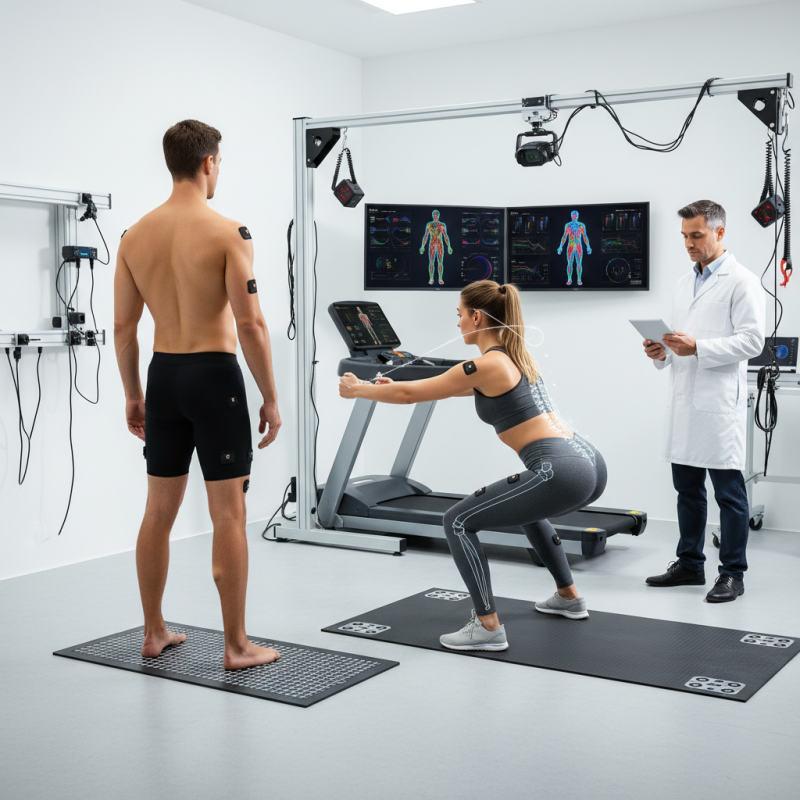
Posture assessment techniques are vital in fields such as physical therapy, sports science, and rehabilitation. These methods evaluate how the body aligns and moves. Static assessments look at posture when standing still, identifying issues like slouching or misalignment. Common techniques include visual assessments and goniometric measurements. These methods can reveal underlying problems that might lead to pain or injury.
Dynamic posture assessments focus on movement patterns. They analyze how posture changes during activities. This can involve gait analysis and motion capture technology. Professionals observe how a person moves to identify compensatory patterns. These techniques provide insight into a client’s functional abilities. Insights gained are essential for creating personalized intervention strategies.
Nevertheless, while these techniques are useful, they can be limited. For example, human error in visual assessments can affect accuracy. Additionally, certain technologies might be expensive or require specific expertise. Balancing various assessment methods can yield the best results. Ultimately, successful posture assessment relies on combining different approaches to gain a comprehensive understanding of an individual's needs.
Static Posture Assessment Methods and Their Importance
Static posture assessment methods play a crucial role in understanding musculoskeletal health. These assessments analyze a person's body alignment and positioning while stationary. Proper static posture is essential for reducing the risk of injuries and improving overall function. Observing how the body holds itself can reveal much about an individual’s health.
Many practitioners use visual and physical assessments to evaluate posture. Common techniques include plumb line assessments and photographic analysis. Such methods help identify deviations from optimal alignment. However, practitioners must remain aware that not every traditional method may fit all individuals. Each body is unique, and assessments should be tailored accordingly.
Tips: Always check for common postural issues, such as rounded shoulders or anterior pelvic tilt. Taking regular breaks to stretch and realign can significantly improve static posture over time. Keep a journal of your observations to track changes and progress; self-reflection aids in better posture awareness.
2026 Top Static and Dynamic Posture Assessment Techniques
| Technique |
Type |
Description |
Importance |
| Photographic Analysis |
Static |
Use of images to assess body alignment in static positions. |
Helps identify postural deviations that may lead to injuries. |
| Goniometry |
Static |
Measurement of joint angles to assess flexibility and range of motion. |
Essential for identifying limitations in mobility. |
| Dynamic Postural Analysis |
Dynamic |
Assessment during movement patterns to analyze posture changes. |
Important for assessing functional movements and injury risk. |
| SEMG (Surface Electromyography) |
Dynamic |
Measures muscle activation during activities. |
Provides insight into muscle imbalances related to posture. |
| Postural Stability Tests |
Dynamic |
Evaluates balance and stability during movement tasks. |
Key to determining overall postural control. |
Dynamic Posture Assessment Techniques for Functional Evaluation
Dynamic posture assessment techniques play a crucial role in evaluating functional movement and optimizing performance. These techniques help identify movement deficiencies, which can be key to preventing injuries. According to a report from the National Academy of Sports Medicine, up to 80% of sports injuries stem from improper movement patterns.
One effective dynamic assessment is the Functional Movement Screen (FMS). This tool evaluates fundamental movements and identifies areas of weakness. Research indicates that athletes with lower FMS scores have a higher risk of injury. Implementing such assessments can guide conditioning programs tailored to individual needs.
Tips for effective assessment include focusing on quality over quantity. Prioritize the accuracy of movement during observations. Use video analysis to capture subtle issues often missed in real-time. Be aware that some participants may not perform movements correctly due to discomfort or lack of confidence. Listening to their feedback is essential. Always adapt assessments to accommodate individual differences. This approach can improve reliability and effectiveness.
Comparative Analysis of Static vs. Dynamic Posture Assessments
Static and dynamic posture assessments serve distinct yet complementary purposes. Static assessments evaluate posture when the body is stationary. This method often focuses on skeletal alignment and may reveal deviations in posture. Practitioners utilize visual observation and tools like plumb lines to evaluate these positions. For example, a misaligned spine can indicate potential issues.
Dynamic posture assessments observe body alignment during movement. These assessments are crucial for understanding how posture affects performance. For instance, analyzing a runner’s gait can provide insights into their risk for injury. Observing the body in motion highlights weaknesses not evident in static assessments.
Tips for effective assessments include maintaining a clear focus on posture alignment. Documenting observations helps in creating personalized plans. Encourage clients to perform a warm-up before dynamic assessments to avoid injuries. Regular evaluations can track progress and adapt strategies as needed. Emphasizing the importance of each method allows for a more rounded understanding of posture.
2026 Top Static and Dynamic Posture Assessment Techniques
Future Trends in Posture Assessment Technologies and Techniques
The future of posture assessment technologies is evolving rapidly. New tools and techniques are emerging to address static and dynamic posture evaluation. Wearable devices have become a popular choice for tracking posture in real-time. They provide instant feedback to users, promoting awareness and encouraging better habits.
Another exciting trend is the integration of artificial intelligence. Using AI algorithms, posture analysis can be more precise. These technologies analyze vast amounts of data, identifying patterns that might go unnoticed. However, the challenge lies in ensuring data privacy and reliability. As these systems grow, so does the need for ethical considerations.
Virtual reality (VR) is also making strides in posture assessment. Immersive environments can help users practice and improve their posture. Yet, the effectiveness of such techniques relies on user engagement. Not everyone finds VR appealing, and accessibility issues remain. As we explore these innovations, continuous reflection on their benefits and shortcomings is crucial.
Conclusion
The article titled "2026 Top Static and Dynamic Posture Assessment Techniques" delves into the significance of evaluating posture through various methods. It begins with an overview of posture assessment techniques, highlighting the necessity of both static and dynamic posture assessments in understanding human biomechanics. Static posture assessment methods focus on analyzing posture at rest, providing insights into musculoskeletal health, while dynamic posture assessment techniques evaluate movement patterns during activity, essential for functional evaluations.
A comparative analysis underscores the strengths and limitations of static versus dynamic posture assessments, emphasizing the importance of integrating both methods for a comprehensive evaluation. Finally, the article discusses future trends in posture assessment technologies and techniques, showcasing advancements that promise to enhance accuracy and effectiveness in identifying postural issues. Ultimately, the integration of static and dynamic posture assessment is vital for optimizing health and performance in various populations.

 MedTrack