An Electrical Stimulation Machine is a fascinating device that has gained popularity in various fields, including physical therapy and rehabilitation. These machines utilize electrical impulses to stimulate muscles, promote healing, and alleviate pain. Individuals seeking alternative treatment methods often turn to these machines, drawn by promises of improved recovery and pain relief.
However, the effectiveness of an Electrical Stimulation Machine can vary. Some patients report significant benefits, while others remain skeptical about its efficacy. This discrepancy can stem from individual differences in health conditions and expectations. It is essential to understand how these machines work to harness their full potential.
In rehabilitation settings, trained professionals often supervise the use of Electrical Stimulation Machines. They ensure proper application and monitor patient responses. Without this expertise, outcomes may not meet expectations. Understanding the science behind these devices can enhance trust and provide a more reliable experience for users.
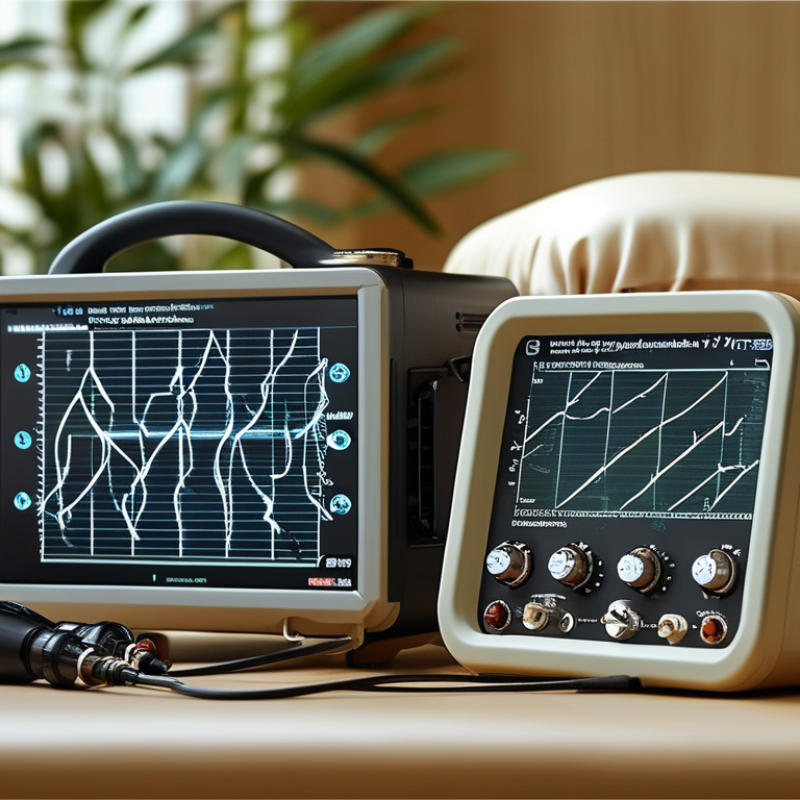
An electrical stimulation machine is a device designed to deliver small electrical currents to the body. It is widely used in physical therapy and rehabilitation. These machines work by stimulating nerves and muscles, promoting healing and reducing pain. The currents can be adjusted based on individual needs, making the therapy customizable.
The technology behind these machines is fascinating yet complex. Electrodes are placed on the skin, and the device generates impulses. These impulses can help in muscle contraction and improve blood circulation. Doctors and therapists often recommend these devices for various conditions, such as chronic pain, muscle spasms, and recovery from injuries. Anecdotally, some patients report mixed feelings about their effectiveness.
While many find relief, others may feel discomfort. Each person's response to electrical stimulation varies. This variability can lead to questions about the overall effectiveness. The therapy's integration into a treatment plan requires careful monitoring by healthcare professionals. Ongoing feedback from users plays a crucial role in tailoring the experience.
Electrical stimulation devices are widely used in rehabilitation and pain management. They come in various forms, each designed for specific therapeutic needs. Common types include transcutaneous electrical nerve stimulation (TENS) units, neuromuscular electrical stimulation (NMES) devices, and interferential current (IFC) stimulators. According to a 2021 study published in the Journal of Physical Therapy Science, TENS units have shown effectiveness in reducing chronic pain for about 60% of users.
TENS units work by sending low-voltage electrical impulses through the skin. These impulses can enhance the release of endorphins, the body's natural painkillers. NMES devices are typically used to stimulate muscle contractions, aiding in the rehabilitation of atrophied muscles. A report by the American Physical Therapy Association mentioned that around 70% of patients using NMES devices experienced significant improvement in muscle strength over a course of treatment.
Interferential current stimulators use two or more electrical currents to penetrate the skin. This method can provide deeper tissue stimulation with less discomfort. However, user experience can vary, with some reporting minimal benefits. Data from the National Center for Biotechnology Information shows that while 40% of individuals find pain relief through IFC, others struggle to notice any changes. This highlights the need for personalized treatment plans when using electrical stimulation devices.
Electrical stimulation machines are a key component in therapeutic modalities. They provide precise electrical impulses to specific areas of the body. This method is particularly useful for pain relief and muscle rehabilitation. Research shows that about 60% of patients report reduced pain when using electrical stimulation therapies.
Mechanically, electrical stimulation works by delivering controlled electrical currents through electrodes placed on the skin. These currents interact with nerve cells, triggering muscle contractions. This process enhances blood flow and promotes healing in injured tissues. A study indicated that sustained electrical stimulation could improve muscle strength by up to 30% over six weeks. While effective, it's essential to consider individual responses to therapy.
Users should reflect on their experiences with electrical stimulation. Not everyone responds positively to this method. Some may experience discomfort or little benefit. It underscores the importance of customized treatment plans. The variability in outcomes invites further research. Exploring different frequencies and intensities may lead to better results for diverse patient needs. Embracing this complexity is vital for advancing pain management and rehabilitation practices.
Electrical stimulation therapy is widely used in various medical and rehabilitation settings. It involves the use of electrical currents to stimulate muscle contractions. This therapy can help reduce pain, promote healing, and improve muscle function. Typical applications include physical therapy for injury recovery, pain management, and addressing chronic conditions.
Athletes often benefit from this therapy to prevent injuries and speed up recovery. In a clinical environment, electrical stimulation can enhance rehabilitation for patients recovering from surgery or stroke. It helps restore muscle strength and mobility, making daily activities easier.
**Tip:** Always consult with a healthcare professional before starting any electrical stimulation therapy. Each individual's needs and conditions vary, and a professional can tailor the therapy to be safe and effective.
Another aspect to consider is the potential for discomfort during sessions. While the sensations can be mild, some patients may experience more intense reactions. Regular adjustments to the stimulation settings can help find the right balance for comfort and effectiveness.
**Tip:** Keep a journal of your experiences during therapy. Note any discomfort and improvements. This can provide valuable feedback for your healthcare provider.
Electrical stimulation machines create electrical impulses to stimulate nerves and muscles. While these devices are effective for pain relief and rehabilitation, safety is a crucial consideration. Users must be aware of potential side effects that may arise during treatment.
Common side effects include skin irritation, muscle twitching, or discomfort at the electrode site. Some individuals may experience headaches or dizziness post-treatment. It's essential to monitor your body’s response during and after sessions. If you notice any unusual reactions, consult a healthcare professional immediately.
Moreover, certain populations should avoid electrical stimulation therapy. Pregnant individuals and those with pacemakers must exercise caution. Pre-existing medical conditions may also limit the safe use of these devices. Always seek guidance from a qualified healthcare provider to ensure safe usage tailored to your specific needs.
: Common types include TENS units, NMES devices, and IFC stimulators. Each serves specific therapeutic needs.
TENS units send low-voltage electrical impulses through the skin. These impulses enhance endorphin release, reducing pain.
Around 70% of users report significant improvement in muscle strength with NMES treatment over time.
Yes, IFC stimulators use multiple currents to penetrate the skin deeply. However, experiences may vary among users.
Approximately 40% report pain relief from IFC. Others may notice minimal changes.
Individual responses to electrical stimulation can differ. Custom plans may lead to better outcomes and improved experiences.
They trigger muscle contractions and improve blood flow, promoting healing in injured tissues.
Users should note their own experiences, as some may feel discomfort or see limited benefits. Reflection is key.
Exploring different frequencies and intensities may yield better results for various patient needs, but it requires further research.
While many experience benefits, not everyone does. This variability highlights the need for ongoing exploration and adjustment in treatment.
An Electrical Stimulation Machine is a therapeutic device that applies electrical impulses to stimulate nerves and muscles, aiding in pain relief and rehabilitation. Various types of electrical stimulation devices are available, including transcutaneous electrical nerve stimulation (TENS) units and neuromuscular electrical stimulation (NMES) devices. These machines work mechanically by sending controlled electrical pulses through electrodes placed on the skin, which can help improve muscle function and alleviate discomfort.
The applications of electrical stimulation therapy are diverse, ranging from pain management to muscle strengthening and recovery post-injury. While generally safe, users should consider potential side effects such as skin irritation or muscle fatigue. Overall, Electrical Stimulation Machines play a significant role in modern therapeutic practices, offering effective methods for treating various health conditions.

MedTrack