Dynamic Foot Pressure Analysis has emerged as a crucial tool in optimizing comfort in footwear. By measuring pressure distribution across the foot, it provides valuable insights into how our feet interact with various surfaces. This analysis allows for a detailed understanding of individual foot mechanics, which can lead to better fitting shoes and improved overall comfort.
Many athletes and individuals with specific foot conditions can benefit from this technology. By identifying high-pressure areas, adjustments can be made to footwear design, cushioning, and arch support. However, it’s important to note that results can vary based on different factors. Personal anatomy, gait patterns, and even body weight all play a role in determining the effectiveness of recommended solutions.
Using Dynamic Foot Pressure Analysis provides a personalized approach to comfort. Yet, it is essential to combine this with expert guidance. Many users may not receive the full benefits if they rely solely on the analysis. Moreover, ongoing reflection and adjustment based on changing activity levels or foot conditions are necessary. Embracing this analysis can lead to better comfort, but understanding its limitations is equally vital.
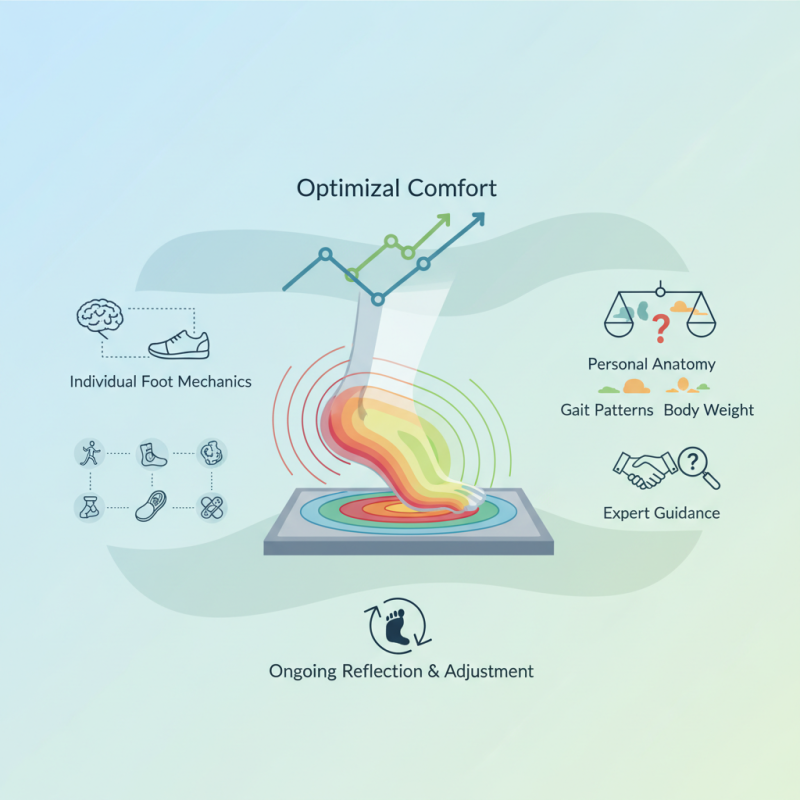
Dynamic foot pressure analysis is a crucial tool in understanding how our feet interact with various surfaces. This analysis helps identify pressure points, which can lead to comfort issues or even injuries. By evaluating how weight is distributed across the foot while walking or running, one gains insight into proper footwear needs and alignment adjustments.
When trying to achieve optimal comfort, it's important to consider the results of this analysis. Regular assessments can reveal changes over time. Small adjustments to your routine can significantly improve comfort levels. A simple tip is to check your footwear regularly. Worn-out shoes can alter pressure distribution and impact your overall foot health.
Footwear is not the only factor to consider. The surfaces you walk on play a role too. Soft surfaces can reduce pressure, while hard surfaces can increase it. Keep track of your activities and the environments you frequent. Adjusting your routine to include supportive shoe inserts or alternating between different shoe types can optimize comfort. Pay attention to how your feet feel throughout the day. It's essential to reflect on any discomfort you experience and adjust accordingly. These conscious efforts can make a notable difference over time.
Dynamic foot pressure analysis is a crucial technique in optimizing comfort. Understanding the key components of foot pressure measurement can significantly enhance the quality of footwear and orthopedics. Various studies indicate that proper alignment and distribution of pressure can reduce foot fatigue by up to 30%. This data highlights the importance of analyzing dynamic pressure throughout the gait cycle.
One critical aspect of dynamic foot pressure measurement is the use of pressure insoles. These insoles contain sensors that track real-time pressure distribution. A report from the Journal of Biomechanics revealed that custom insoles based on dynamic analysis reduced plantar fascitis symptoms in 70% of participants. This indicates that personalized data is vital for effective treatment plans. Additionally, pressure mapping allows practitioners to visualize areas of high stress and adjust accordingly, which can promote better foot health.
Another component is the software used to analyze the collected data. Advanced algorithms can interpret pressure readings and provide actionable insights. Often, practitioners must ensure the accuracy of these readings due to potential equipment errors. Small inconsistencies can lead to misleading conclusions. Regular calibration and validation of the equipment are essential. Keeping up with latest advancements is vital in this fast-evolving field. Emphasizing continuous improvement can help address the limitations of current techniques, ensuring the effectiveness of pressure analysis remains robust.
| Measurement Technique | Pressure Distribution Area (cm²) | Peak Pressure (kPa) | Average Pressure (kPa) | Comfort Level (1-10) |
|---|---|---|---|---|
| Static Measurement | 200 | 20 | 5 | 6 |
| Dynamic Measurement | 250 | 30 | 10 | 8 |
| Foot Scan | 180 | 15 | 5.5 | 7 |
| Foot Pressure Mapping | 300 | 35 | 12 | 9 |
Dynamic foot pressure analysis is a vital process for enhancing comfort in various footwear and orthotics. To conduct an effective assessment, start by selecting an appropriate testing environment. Use a well-lit area with minimal distractions. Ensure the participant is relaxed and in a neutral stance. This allows for accurate readings.
Next, equip yourself with a foot pressure measurement system. Place sensors in the shoe or on the ground, as required. Encourage the participant to walk or run naturally. This dynamic movement captures real-time pressure changes. Monitor the pressure distribution across different areas of the foot. Take notes on any patterns you see.
Review the collected data carefully. Look for high-pressure zones that may indicate discomfort. Reflecting on the measurements is essential. Often, understanding the subjective experience of the individual can reveal discrepancies. Comfort is subjective, and each foot has unique needs. Identifying these elements will aid in better shoe design or custom orthotics for optimal comfort.
Dynamic foot pressure analysis provides essential insights into how we distribute our weight while standing or moving. It captures real-time data related to foot pressure, which can reveal discomfort zones. Understanding these details is crucial for enhancing overall comfort.
When interpreting foot pressure data, pay attention to the peak pressure points. These areas often indicate stress on the feet. Even slight changes in pressure distribution can suggest potential issues. For example, if one part of your foot consistently experiences higher pressure, it may lead to discomfort over time. Analyzing this data allows for targeted interventions.
While interpreting these findings, consider individual variations. Each person's foot structure and dynamics are different. Relying solely on general data can lead to inadequate solutions. Use the information as a guide, but also listen to your own body. It’s essential to reflect on how your feet feel during and after activities, adapting insights accordingly for the best comfort.
Dynamic foot pressure analysis provides critical insights into footwear and orthotic design. This technique measures how pressure distributes across the foot during various activities. According to recent studies, over 75% of adults experience foot pain at some point. Accurate pressure mapping is essential for creating solutions that promote comfort and prevent injury.
Integrating this data into footwear design helps in crafting shoes that fit individual needs. A report from the Journal of Foot and Ankle Research highlights that shoes designed with dynamic pressure data can reduce discomfort by up to 30%. However, there is still room for improvement. Many designs may not fully capture the diverse shape and pressure patterns of individual feet. This gap underscores the need for ongoing research and development.
The role of orthotics in enhancing comfort is also significant. Dynamic analysis can guide the production of custom orthotic devices tailored to specific pressure points. Studies indicate that personalized orthotics can improve overall foot function and reduce pain. Yet, the challenge remains: ensuring broad accessibility to these advanced designs. Continued collaboration between podiatrists, designers, and researchers is crucial for making these innovations available to all.
This chart illustrates the average foot pressure distribution across different footwear types, showcasing how dynamic foot pressure analysis can inform better footwear design for comfort.
: It is a technique to analyze foot pressure to enhance comfort in footwear and orthopedics.
Proper alignment and pressure distribution can reduce foot fatigue by up to 30%.
They have sensors that monitor real-time pressure distribution on the foot.
They can significantly reduce symptoms of plantar fasciitis for many users.
It visualizes high stress areas, allowing for targeted adjustments to promote foot health.
It interprets pressure readings and provides insights for better intervention strategies.
Peak pressure points indicate stress areas, but individual foot dynamics also matter.
Small errors in equipment can lead to misleading conclusions about foot health.
It ensures accuracy in readings and maintains the effectiveness of pressure analysis techniques.
Reflect on personal comfort and adjust activities based on how the feet feel during and after use.
Dynamic Foot Pressure Analysis is a vital tool for understanding how your feet interact with different surfaces during movement. By measuring the dynamic pressure exerted by the foot, this analysis helps in identifying the key components and techniques necessary for effective foot pressure assessments. The process involves systematic steps that ensure accurate data collection, which can be interpreted to provide insights into enhancing comfort solutions.
Once the data is analyzed, it can be integrated into the design of footwear and orthotics, aiming to improve overall comfort and support. The ultimate goal of utilizing Dynamic Foot Pressure Analysis is to offer personalized solutions that cater to individual foot dynamics, ensuring optimal comfort for users.

MedTrack