Choosing the right Stroke Rehabilitation Gloves is crucial for effective recovery after a stroke. Dr. Emily Carter, a renowned rehabilitation specialist, emphasizes, “The right gloves can make a significant difference in hand function and recovery speed.” This highlights the importance of selecting gloves that cater to individual needs.
Stroke Rehabilitation Gloves come in various styles and materials, tailored to assist patients in regaining strength and mobility. Consider factors like fit, texture, and support. These gloves must be comfortable and functional. Testing different options can reveal what truly works for you.
Patients often overlook the significance of quality tools. It’s tempting to settle for generic solutions, but they may hinder progress. A detailed examination of available gloves is essential. Listening to experts like Dr. Carter can guide your choice. Prioritize your comfort and capability in any decision regarding Stroke Rehabilitation Gloves.
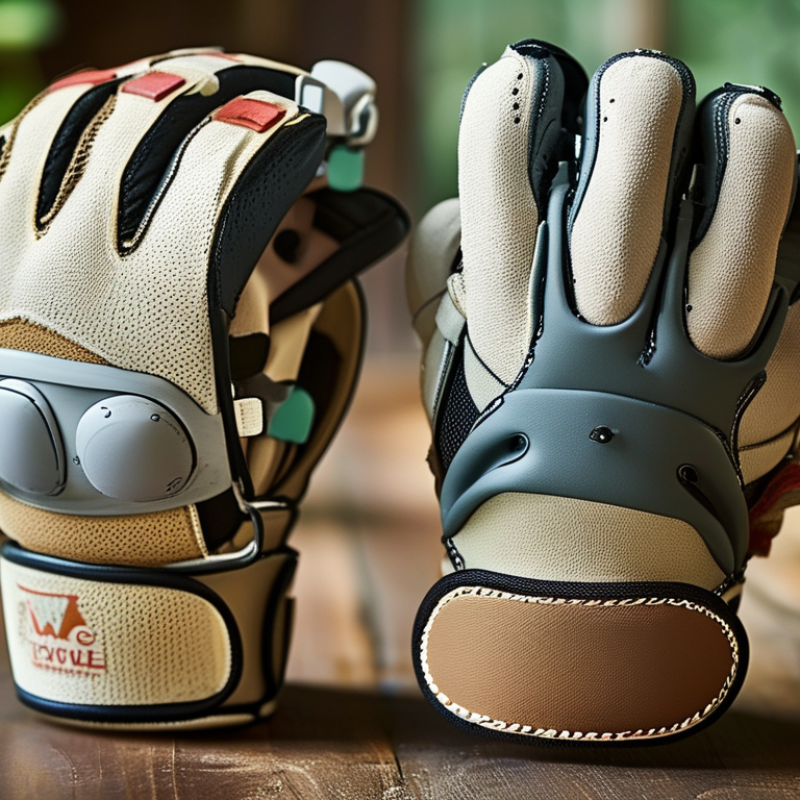
Stroke rehabilitation gloves play a crucial role in the recovery process. These gloves are designed to assist individuals in regaining hand strength and functionality. They provide support for gripping, stretching, and coordination exercises. The right gloves can enhance the effectiveness of physical therapy sessions. They also help in creating a more comfortable and encouraging environment for recovery.
Choosing the proper gloves involves understanding their unique features. Some gloves have textured surfaces to improve grip. Others may incorporate resistance materials for added challenge during exercises. It is important to experiment with different options to find what feels right. A well-fitted glove provides better support, but not everyone may find immediate comfort. Reflection on the right level of tightness and flexibility is key.
The importance of these gloves extends beyond physical adjustments. They foster a sense of independence. Users often report feeling more confident when using the right tools. Yet, the journey can be frustrating. Recovery does not follow a straight path. Each person's needs may change over time, requiring re-evaluation of chosen tools. Engaging with healthcare professionals can provide valuable insights for ongoing improvement.
When selecting stroke rehabilitation gloves, consider key features that enhance recovery. Comfort is crucial. Gloves should fit snugly but not restrict blood flow. According to a study published in the Journal of Rehabilitation Research and Development, proper fit can improve adherence to therapy by 40%. This is important since consistent use can significantly improve motor function.
Material is another vital aspect. High-quality, breathable fabrics can prevent excessive sweating and discomfort during extended use. Reports indicate that many users abandon rehabilitation tools due to irritation. Additionally, the gloves should provide adequate grip. A textured surface can enhance hand control during exercises. Research shows that improved grip aids in muscle memory, crucial for motor recovery.
Weight and flexibility also deserve attention. Heavy gloves may limit movement, hindering rehabilitation progress. Opt for lightweight designs that offer support without being cumbersome. The right balance of support and flexibility can motivate continued use. Evaluate features through trial and error, as individual needs vary. Not all gloves are effective for everyone, so adjust choices based on personal experience and comfort.
When selecting stroke rehabilitation gloves, the type of material is crucial. Different fabrics offer varying levels of comfort and support. Some gloves are made from elastic materials that allow for flexibility. This helps users maintain a better grip during exercises. Others use breathable fabrics to keep hands cool and comfortable.
Consider the feedback of users who have tried various materials. Some might find cotton too warm, while others prefer its softness. Synthetic materials can provide excellent support but may lack breathability. Always look for gloves that balance structure with comfort.
Tips: Seek gloves with adjustable features. This will help in achieving a better fit. A snug fit can enhance control. Try several options to see what feels right for you. Check for moisture-wicking abilities to avoid discomfort during use. Remember, the right material can make a significant difference in recovery.
Choosing the right stroke rehabilitation gloves is crucial for recovery. Fit and comfort play a significant role in your rehabilitation journey. Gloves that are too tight can hinder blood circulation, while loose ones may slip off during exercises. Look for gloves that snugly fit your hand shape without causing discomfort. Lightweight materials can enhance your comfort level.
When trying on gloves, assess how they feel during movement. You should be able to perform gripping actions easily. Pay attention to padding. Thick padding may feel nice at first, but it might limit your ability to sense objects during grip exercises. On the other hand, very thin padding may not provide adequate support. Aim for a balance that promotes both feel and protection.
**Tips:** Test different sizes and styles. Use gloves that allow for breathability. Anti-slip features can help during therapy sessions. Keep in mind your personal preferences; comfort varies from person to person. Reflect on your experience after trying on multiple options. Engage in discussions with therapists about what works for you.
When selecting stroke rehabilitation gloves, aiming for trusted brands is crucial. The right gloves can enhance recovery by providing essential support and comfort. According to industry studies, approximately 70% of stroke survivors benefit from specialized rehabilitation equipment. This includes gloves that aid hand mobility and grip strength.
Many rehabilitation gloves feature tactile materials that promote sensory feedback. Look for adjustable designs that cater to individual comfort levels. Importantly, gloves with targeted compression can improve circulation, making daily exercises more effective. A review from reputable health sources emphasizes the significance of fit. Ill-fitting gloves may hinder progress and could lead to frustration.
Tip: Always consider user reviews from healthcare professionals. They provide valuable insights into how effective different models are.
Quality gloves often incorporate breathable fabrics to prevent discomfort during prolonged use. While these features are beneficial, not every design works for everyone. Some users may find bulkier gloves impede their movements. Experimenting with different types is key to finding what works best. Keep in mind, progress can be slow, and adjusting to new gloves might take time.
| Feature | Description | Recommended Models |
|---|---|---|
| Material | Breathable fabrics that provide comfort and flexibility. | Model A, Model B |
| Size Options | Available in multiple sizes to ensure a snug fit. | Model C, Model D |
| Grip Strength | Enhanced grip technology for improved handling. | Model E, Model F |
| Washability | Machine washable for easy maintenance. | Model G, Model H |
| Cost | Affordable options that do not compromise on quality. | Model I, Model J |
: They assist individuals in regaining hand strength and functionality.
Consider unique features like grip textures and resistance materials. Experiment with different options.
A snug fit enhances support, but too tight can hinder circulation. Comfort matters too.
Look for elastic materials for flexibility and breathable fabrics for comfort during use.
The right tools foster independence, helping users feel more capable and confident.
Balance is key; thick padding can limit sensitivity, while thin may not provide adequate support.
Yes, some discomfort may happen. Reflect on what feels right after trying several options.
Seek moisture-wicking materials and assess breathability. Personal preferences vary greatly.
Yes, discussing your choices with therapists can provide insights for better recovery outcomes.
Yes, re-evaluate chosen tools regularly as each person’s needs may evolve.
Stroke Rehabilitation Gloves play a crucial role in the recovery journey of stroke patients. They are designed to aid in the restoration of hand function and coordination, making the selection of the right pair essential. Key features to consider include the level of grip, finger mobility, and overall design that promotes ease of use during rehabilitation exercises. Additionally, the materials used in these gloves can significantly impact their durability and comfort, essential for long-term wear.
When choosing Stroke Rehabilitation Gloves, assessing fit and comfort is paramount to ensuring effective recovery. Gloves should fit snugly without being restrictive, allowing for proper movement as patients engage in therapy. By understanding these factors and focusing on reliable options, individuals can enhance their rehabilitation process and improve hand functionality effectively.

MedTrack