After a stroke, everyday hand movements can feel unfamiliar. Holding a cup, opening the fingers, or fastening a button may take more effort than expected. Stroke Rehabilitation Gloves are designed to support hand practice, but products vary widely. Some use powered movement, while others offer sensory feedback or simple positioning support. Their features can look impressive on a product page. That alone is not enough.
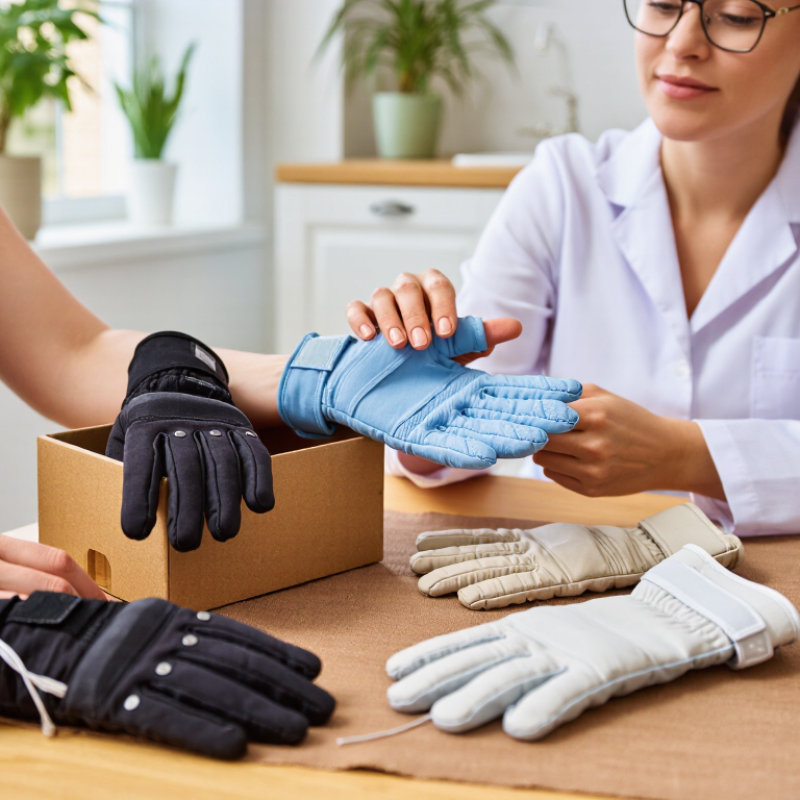
Choosing a glove starts with the person who will use it. A therapist can assess hand strength, stiffness, sensation, skin condition, and movement goals. Fit matters. The fingers should sit comfortably, and straps should not press painfully against the wrist. Check how the glove is put on, how it is cleaned, and whether the user can operate its controls. A bulky device may be difficult to manage at a kitchen table. A tight cuff may leave marks. These details can matter more than extra settings.
Ask what the glove is meant to help with, and how progress will be reviewed. Some devices provide guided movement; others may suit a different stage of recovery. Evidence and results can vary, so avoid promises of a quick return to normal hand function. A glove should complement an individualized rehabilitation plan, not replace clinical advice or supervised practice. Comfort is not a minor feature. It can affect whether someone uses the device regularly. Even a well-reviewed glove may feel wrong after ten minutes. That is worth noticing. Compare practical needs, clinical guidance, and the user’s own experience before making a choice.
Stroke-related hand impairments can affect strength, sensation, coordination, and muscle tone. One person may struggle to open the fingers around a mug; another may feel touch differently or have a stiff wrist. These changes can make dressing, preparing food, and handling a phone frustrating. Recovery is rarely a straight line. Small gains matter, but some days feel harder.
A rehabilitation glove may support guided movement or provide gentle assistance, depending on its design. The goal is not simply to wear a device. It is to practice useful actions, such as reaching for a towel, opening the hand, or releasing a lightweight object. A glove should fit comfortably and match the person’s abilities and therapy plan. It should not cause pain, skin marks, or unusual swelling. Check with a rehabilitation professional before use, especially when sensation is reduced or the hand is difficult to move. A glove can help practice; it cannot replace individualized care.
Stroke rehabilitation gloves differ in how they support movement. Passive designs use elastic tension or shaped fabric to help open curled fingers. They are usually lightweight and simple to put on, though fit matters. A glove that pulls unevenly can make one finger feel strained while another barely moves. Check for pressure around the knuckles, especially when swelling or skin sensitivity is present.
Powered gloves use small motors or pneumatic supports to assist finger and thumb movement. Some respond when the wearer starts a motion; others follow a programmed pattern. The assistance should feel controlled, not forceful. Stop and ask a rehabilitation professional if movement causes pain, unusual fatigue, or increased stiffness.
Sensor-based gloves use bend or pressure sensors to measure hand movement. They may display repetitions or range of motion, giving a therapist useful information between sessions. But numbers are not the whole story. A higher score does not automatically mean easier dressing or better grip.
Before choosing, consider the person’s ability to put the glove on, the amount of assistance needed, and whether the device’s feedback is easy to understand. Real hands are uneven, and progress can be slow.
Choosing a stroke rehabilitation glove starts with a clear question: what movement does it help you practise? A Cochrane review examined 45 trials involving 1,619 people after stroke who used electromechanical or robotic arm training. The findings suggest this training can support daily activities, arm function, and strength. The review studied varied devices, however, not every glove sold or prescribed today.
That distinction matters. A wearable glove may assist finger opening, gripping, or repeated hand movements, while many studied systems trained the wider arm. Evidence for robotic arm training cannot automatically confirm that a particular glove will work equally well. Ask a rehabilitation professional whether the device matches your movement goals, current ability, and treatment plan. Fit matters too: check for pressure points, easy adjustment, and movement that feels controlled rather than forced.
Small details count. Can the wearer put it on with limited help? Are the practice tasks meaningful, such as lifting a cup or releasing a towel? Ask how progress will be measured and when the plan will be reviewed. Research results can be encouraging, but recovery varies, and devices do not replace guided practice. I would be cautious about promises of quick results; even useful tools may feel awkward at first.
Choosing a stroke rehabilitation glove means comparing fit, assistance, movement range, safety, and daily usability—not just its appearance. The 2021 Global Burden of Disease study, published in The Lancet Neurology, estimated 12.2 million new strokes worldwide in 2019. Needs differ widely, so a glove should match the wearer’s hand size, strength, sensation, and movement goals. Check palm circumference and finger length, then look for pressure points around knuckles and nails. A glove that slips may provide uneven assistance. Too tight is worse. Swelling can also change fit during the day, so reassess it.
Assistance should feel controlled, not forceful. Look for adjustable support and movements that match the intended therapy; ask a rehabilitation professional to check settings. A 2018 Cochrane review covered 45 trials and 1,619 people, finding that electromechanical arm training may improve arm function and daily activities. This evidence concerns varied devices, not every glove. Range matters too: movement should stay comfortable, without pulling fingers into painful positions. Inspect skin after use, especially where straps touch. Check for an easy release, clear instructions, and manageable charging and cleaning. Can the wearer put it on with one hand? Test that in real conditions. I would still question any device that feels helpful but is difficult to use consistently.
| Glove Type | Fit | Assistance | Movement Range | Safety Considerations | Usability |
|---|---|---|---|---|---|
| Positioning or compression glove | Should fit smoothly without pinching, restricting circulation, or creating pressure points. Check sizing and skin regularly. | May provide light support or sensory feedback. It does not actively open the hand or replace movement practice. | Usually allows voluntary movement, depending on its design and how snugly it fits. | Avoid excessive tightness. Seek professional advice if there is swelling, fragile skin, reduced sensation, or circulation concerns. | Typically simple to put on, but one-handed dressing can be difficult without assistance or adapted fasteners. |
| Non-powered grip-assist glove | Look for adjustable straps and a secure fit that does not press on joints or limit circulation. | May help stabilize the hand around selected objects; the user generally supplies the movement and grip effort. | Often supports a limited set of grasping tasks. It may restrict finger motion needed for other activities. | Check that the glove can be released quickly and does not trap the hand. Test only with suitable objects and supervision if needed. | Can be useful for specific daily tasks, but straps and setup may be challenging for someone with one-sided weakness. |
| Powered robotic or assistive glove | Requires careful sizing and adjustment. Finger alignment and comfortable contact are important; fit should be checked by a trained professional. | Depending on the system, motors or other actuators may assist finger opening, closing, or guided practice. | Varies by device and settings. Assistance may be limited to programmed motions rather than the full range of natural hand movement. | Follow device instructions and clinician guidance. Stop if there is pain, skin irritation, unusual resistance, or worsening discomfort; keep hands clear of moving parts. | May require charging, setup, cleaning, and help putting it on. Controls and maintenance needs differ by device. |
| Therapist-selected or custom-fitted option | Selected or adjusted for hand size, joint position, tone, skin condition, and the person’s abilities. | The level of support is matched to the intended goal, such as positioning, task practice, or assisted movement. | Chosen to support a practical and comfortable range for the individual rather than a one-size-fits-all target. | A therapist can help identify fit problems, pressure risks, and movements that should be avoided or modified. | May take time to assess and adjust, but personalized instructions can make routine use clearer and safer. |
Selection tip: Choose a glove based on the person’s hand function, comfort, goals, and ability to put it on and take it off. A glove is not a substitute for an individualized rehabilitation plan; consult an occupational or physical therapist before using assistive equipment, especially when sensation, skin integrity, pain, or joint movement is affected.
Choosing a stroke rehabilitation glove starts with the hand you have today, not a device’s feature list. Early in recovery, a person may need gentle, supported movement; later, they may practice opening their fingers to grasp a cup or release a towel. Ask the therapist whether the glove assists movement, adds resistance, or provides feedback. Small differences matter. A glove that moves a weak hand too forcefully may do the work instead of encouraging the person’s effort. The American Heart Association and American Stroke Association’s 2016 rehabilitation guideline supports repetitive, task-specific practice—not passive gadget use alone.
Match the glove to a clear goal, such as opening the thumb or completing five controlled grasps before fatigue. Track comfort, skin redness, pain, and whether the person can start the movement; consult the clinician if symptoms worsen. The World Stroke Organization’s 2022 Global Stroke Fact Sheet reports 12.2 million new strokes and 101 million people living with stroke, based on 2019 estimates. Needs vary widely. Bring the glove to therapy and check its fit, straps, and ease of setup with the clinician. Be honest: a glove may seem promising at first, yet feel awkward at home. That is useful information, not failure.
It may support finger opening, gripping, or repeated hand movements. Practise useful tasks, like reaching for a towel or releasing a light cup. Small gains count.
No. A glove can support practice, but it cannot replace individualized care or a therapist’s guidance.
Passive gloves use elastic tension or shaped fabric. Powered designs assist movement with motors or air supports. Sensor-based gloves measure movement, such as finger bending.
Check for pressure around the knuckles and any strained fingers. Look for skin marks or swelling after a short session. Stop if it hurts.
Consider the movement goal, the person’s abilities, and how much assistance they need. Can they put it on with limited help? Fit matters.
No. A review included 45 trials and 1,619 people, but studied varied arm-training devices. The evidence is not a perfect match for every glove.
Track comfort and practical tasks, such as opening the hand or lifting a cup. Sensor scores can help, but numbers are not everything.
Recovery varies, and some days feel harder. Try short, supervised sessions and review the fit or exercise with a rehabilitation professional. Quick results are not guaranteed.
Choosing the right Stroke Rehabilitation Gloves starts with understanding how a stroke has affected hand movement, strength, sensation, and coordination. Rehabilitation may aim to support gentle movement, encourage repeated practice, or help users engage more actively in daily tasks. Gloves vary: passive designs assist movement without powered motion, powered models provide mechanical help, and sensor-based options track activity or offer feedback. Their suitability depends on the person’s abilities, comfort, and therapy goals.
When comparing options, consider fit, level of assistance, available movement range, safety features, ease of use, and whether the glove supports the movements being practiced. A Cochrane review of 45 trials involving 1,619 participants examined robotic arm training, offering evidence relevant to technology-assisted rehabilitation, though it does not establish that every glove is effective for every person. The best choice may differ across recovery stages, so discuss options with a clinician and use the glove as part of an individualized rehabilitation plan.
MedTrack