Selecting the right Foot Pressure Distribution Analysis System is critical for various fields, including sports medicine and orthopedics. Accurate pressure mapping helps professionals understand foot biomechanics. An effective analysis system can reveal valuable insights about stress distribution while walking or running.
When considering different options, you should evaluate key features. Look for systems that offer precise measurements and reliable data output. The quality of sensors and software used is crucial for accurate analysis. Additionally, user-friendliness adds significant value, especially for those new to this technology.
Despite advancements, no system is perfect. Some may struggle with calibration or compatibility with other devices. It’s essential to seek out products backed by industry research and expert reviews. Your choice should reflect not only the system's capabilities but also its ability to adapt to your specific needs and circumstances.
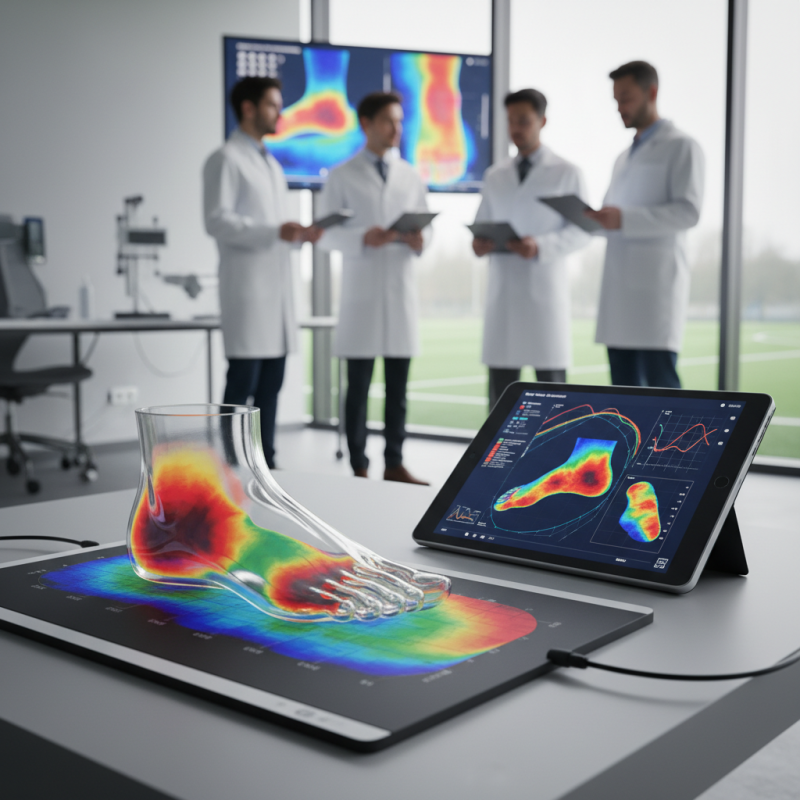
Understanding foot pressure distribution analysis systems is essential for improving health. These systems analyze how pressure is distributed across the foot during various activities. This data can help prevent injuries, enhance athletic performance, and aid in rehabilitation.
Different types of systems use various technologies. Some rely on sensors embedded in insoles. Others utilize pressure mats that capture data in real time. Accuracy and reliability depend on the quality of the sensors used. It is crucial to evaluate the technology behind these systems. Many users overlook this aspect.
Choosing the right system can be challenging. Not all products provide comprehensive analysis. Some offer only basic pressure readings. Look for features that suit your needs. It’s important to consult professionals for advice. Their experience can guide you in the right direction.
When selecting a foot pressure distribution analysis system, certain key features stand out. The accuracy of measurements is crucial. Look for systems with high-resolution sensors. These provide reliable data about foot pressure points. This can help identify issues in gait and balance.
Another important factor is user-friendliness. A complex interface may lead to errors in data interpretation. A simple, intuitive design ensures accurate usage. Additionally, consider the system's ability to integrate with other software. Compatibility with motion analysis tools can enhance overall insights.
Finally, portability can’t be overlooked. A system that is easy to transport is a significant advantage for professionals on the move. However, be cautious about sacrificing quality for convenience. Testing the system thoroughly before making a decision is essential. Each choice has its trade-offs, requiring careful consideration.
Choosing the right foot pressure distribution analysis system involves understanding various technologies available on the market. Each technology offers different features and capabilities. These can range from in-shoe pressure sensors to pressure mats used in laboratories. Users should assess their specific needs before making a decision.
In-shoe sensors provide real-time data during activities. They can analyze pressure distribution while walking or running. This data is valuable for athletes and rehabilitation specialists. Pressure mats are often used for more extensive analysis. They can cover a larger area and deliver detailed reports about standing posture.
Tips: When selecting a system, consider ease of use. A complicated interface might not be ideal for all users. Look for systems with detailed documentation. Also, think about data collection frequency. Premium options allow for continuous monitoring. Remember, not all technologies suit every application. Research is crucial to avoid an impractical choice.
When selecting a foot pressure distribution analysis system, accuracy and reliability are paramount. A system that provides inconsistent data can lead to flawed conclusions. Look for systems that utilize validated methodologies. This ensures that their readings are both trustworthy and repeatable under varying conditions. Testing should mimic real-life scenarios, reflecting the actual foot pressure experience during walking and standing.
Furthermore, understanding the technology behind the analysis can shed light on accuracy. Detailed calibration processes are essential for reliable results. Look for systems that change their measurements dynamically, adapting to users' foot shapes and gaits. User feedback can also provide insights into the system's performance and reliability in practical applications.
Evaluating independent reviews adds another layer of reliability. Seek out studies conducted by reputable institutions. Peer-reviewed articles that validate the methods used can offer reassurance. Transparency in methodology is crucial. Assess how data is gathered and interpreted. Even the most advanced systems may have limitations. Acknowledging these can help you make informed decisions regarding the best fit for your needs.
When selecting a foot pressure distribution analysis system,
budget is a key factor. Not every system offers the same value,
so understanding what you need is crucial. Evaluate your goals and usage frequency. Systems vary widely
in price, often reflecting their features. A high price tag doesn't guarantee the best performance.
Sometimes, a more affordable option can meet your essential needs effectively.
Tips: Consider the scope of your project.
Do you need a basic setup or advanced features like real-time data? Identify areas where you can compromise
without sacrificing quality. Additionally, explore second-hand options or software that
may cost less.
It's essential to examine customer reviews and expert opinions to gauge reliability. Look for systems
with strong support and warranty options. A budget-friendly tool can be
unbeneficial if it lacks durability. Always question if you’re paying for features you’ll truly use.
Balancing cost and functionality will ensure you find
a system that fits your needs well.
: There are in-shoe sensors and pressure mats. In-shoe sensors gather data during activities. Pressure mats analyze larger areas.
Look for validated methodologies. Consistent data is essential. Systems should work well in real-life scenarios.
Real-time data provides immediate insights. It helps athletes and rehabilitation specialists monitor performance during activities.
Ease of use is crucial. Complicated systems may frustrate users. Look for detailed documentation to assist.
Examine customer reviews and warranty options. Affordable systems must be durable to be beneficial over time.
Proper calibration ensures reliable results. Systems should adapt dynamically to user foot shapes and gaits.
Not necessarily. A high price does not guarantee the best performance. Evaluate features against your needs.
Feedback provides insights into real-world performance. It can reveal strengths and weaknesses of the system used.
Acknowledge the limitations. Understanding them can help you make informed decisions that suit your needs.
Identify essential features before buying. Sometimes basic setups can effectively meet your needs without extra costs.
When selecting a Foot Pressure Distribution Analysis System, it is essential to understand the core components that contribute to its effectiveness. These systems evaluate how pressure is distributed across the foot during various activities, providing insights that can enhance performance and prevent injuries. Key features to consider include measurement accuracy, data analysis capabilities, and ease of use. Various technologies such as capacitive, piezoelectric, and resistive sensors each offer unique advantages, making it crucial to assess their suitability for your needs.
Evaluating the accuracy and reliability of the Foot Pressure Distribution Analysis System is vital to ensure the data produced is both precise and consistent. Additionally, budget constraints play a significant role in decision-making, as a range of systems are available at different price points. Ultimately, careful consideration of these factors will help you choose the most appropriate system for your specific requirements, optimizing both functionality and investment.

MedTrack