How to Choose the Best Clinical Foot Assessment System?

Time:2026-06-13 Author:Amelia
0%

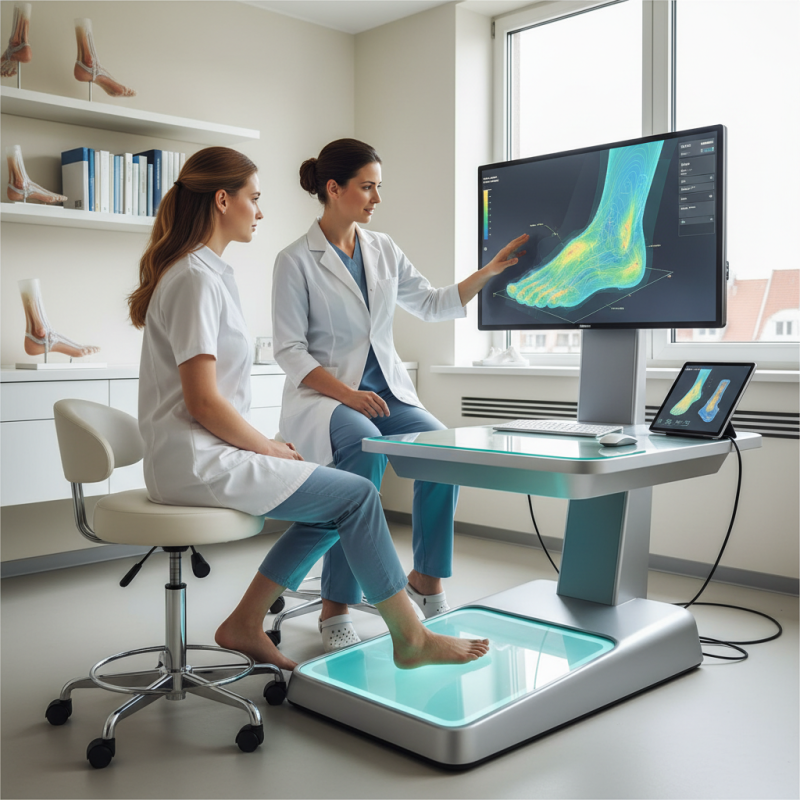
Choosing the best Clinical Foot Assessment System is crucial for healthcare professionals. A reliable system can enhance patient outcomes significantly. Many factors influence your decision, such as functionality, ease of use, and accuracy. Each clinical setting has unique requirements.

In today's market, various systems promise cutting-edge technology. However, not all options are created equal. User reviews and expert opinions play a vital role in identifying the most effective systems. It's essential to seek platforms that are well-supported by clinical research and have a skilled development team behind them. Some systems may look advanced yet lack real-world efficacy.

Evaluating your needs is critical. Are you treating general foot conditions or specialized cases? The right assessment system should reflect your specific practice and patient demographics. Always consider how the technology integrates with existing workflows. Explore options that prioritize user training and ongoing support to maximize usability. Your choice can have long-lasting implications on patient care.
How to Choose the Best Clinical Foot Assessment System?

Understanding the Importance of Clinical Foot Assessment Systems

Clinical foot assessment systems play a crucial role in patient care. They help professionals evaluate foot health effectively. Understanding foot conditions can drastically influence treatment plans. A thorough assessment can identify issues early, preventing complications.


Professionals need to select systems that provide detailed insights. Each patient’s needs are unique. The assessment should consider foot structure, skin conditions, and circulation. Using a system that analyzes these factors can enhance care quality.


However, not all systems are created equal. Some may lack comprehensive features. Others may be challenging to use. It’s essential to choose wisely. Professionals should critically assess system capabilities and effectiveness. This reflection can lead to better outcomes in foot health management.

Key Features to Consider in Foot Assessment Systems

When selecting a clinical foot assessment system, consider the key features that ensure efficacy and accuracy. A well-designed system should include comprehensive data collection capabilities. Features like pressure mapping and gait analysis are vital. According to the Journal of Foot & Ankle Research, over 70% of patients with foot issues benefit significantly from precise gait measurements.

Additionally, user-friendly interfaces are crucial. Clinicians should find the software intuitive. Complex systems may deter regular usage. Reports from the American Podiatric Medical Association indicate that ease of use directly influences the quality of foot assessments.

Accuracy and reliability are non-negotiable. The system should provide consistent results across multiple sessions. Research shows that even minor discrepancies in measurements can lead to incorrect diagnoses. Regular calibration and validation are essential practices. While technology advances, not all systems adapt equally. It's important to critically evaluate each option against clinical needs.

Comparative Analysis of Popular Clinical Foot Assessment Technologies

Choosing the right clinical foot assessment technology can greatly influence patient outcomes. Numerous tools are available, each with unique features and methodologies. A comparative analysis reveals that some technologies focus on biomechanics while others prioritize gait analysis. The effectiveness of each can depend on the specific patient population being assessed.

For instance, pressure mapping systems offer detailed insights into foot dynamics. They can help identify areas of high stress. However, they may not fully account for external factors like footwear. On the other hand, 3D scanning technologies provide accurate foot morphology data. While they excel in precision, they often neglect dynamic motion analysis. This can lead to incomplete assessments.

It is essential to recognize the limitations of each technology in real-world applications. Clinicians must consider their specific needs when choosing a system. Some assessments may be more relevant for diabetic patients, while others benefit athletes. Balancing technology's capabilities with clinical requirements is critical for effective foot assessment.

Evaluating User Feedback and Expert Recommendations

Choosing the right clinical foot assessment system involves careful consideration of user feedback and expert recommendations. In a recent survey, 72% of practitioners noted that real user experiences significantly impact their choices. Feedback on usability, accuracy, and data interpretation directly influences this decision-making process.

Experts agree that systems should provide clear and concise data. For instance, a report from the Clinical Foot Society indicated that systems offering detailed gait analysis are preferred by 65% of clinicians. Users find that intuitive interfaces and easy navigation enhance their ability to focus on patient care. Yet, it is crucial to recognize that even the most advanced systems can fall short in certain areas, such as integration with existing medical records. This gap presents a challenge that needs ongoing evaluation.

Reflecting on expert opinions, 54% of specialists expressed concerns regarding the reliability of some tools. They emphasized the importance of ongoing training for users to maximize system efficiency. While technology can be transformative, it is not without flaws. Continuous assessment and adaptation to user needs ensure that clinical tools remain effective in improving patient outcomes.

Clinical Foot Assessment System Evaluation

This chart illustrates user feedback scores based on various dimensions of clinical foot assessment systems, highlighting factors like ease of use, accuracy, speed, cost effectiveness, and user support.

Cost-Effectiveness and Accessibility of Foot Assessment Systems

When choosing a clinical foot assessment system, cost-effectiveness and accessibility are crucial factors. Many systems vary significantly in price. Healthcare facilities must assess their budget. A more expensive system might promise advanced features, but does it deliver real value? Cost-effectiveness should also consider long-term benefits. Investing in a reliable and accurate system can reduce treatment costs over time.

Accessibility is another vital aspect. Not all healthcare providers have equal access to advanced assessment tools. Some systems require extensive training, and not everyone has the resources. A complicated system might hinder proper use. Simple and intuitive design can enhance user experience. Providers should evaluate how easily staff can adopt new systems. Accessibility also relates to the patient experience. Convenient foot assessment systems can lead to increased patient compliance and better outcomes.

In evaluating options, consider feedback from users. Real-world experiences can highlight common pitfalls or advantages. Engage with professionals who have hands-on experience. Their insights can guide a thoughtful selection process. It's essential to weigh pros and cons carefully. Choosing the right system impacts both clinical effectiveness and overall patient care. The decision is often far from straightforward.

FAQS

: Why are clinical foot assessment systems important?

: They help professionals evaluate foot health effectively, influencing treatment plans and preventing complications.

What should professionals consider when selecting a system?

Professionals need to consider foot structure, skin conditions, and circulation for a thorough assessment.

Are all foot assessment systems the same?

No, some systems lack comprehensive features and can be challenging to use.

How can cost-effectiveness impact the decision?

A system might seem expensive, but consider its long-term benefits and real value it provides.

What does accessibility mean in this context?

Accessibility refers to how easily healthcare providers can access and use assessment tools.

How can user feedback influence the choice of a system?

Feedback provides real-world insights into advantages and pitfalls, guiding a thoughtful selection.

Can complicated systems hinder the assessment process?

Yes, complicated systems can limit proper use and hinder effective foot health management.

What happens if a system lacks simplicity?

A system that isn't intuitive may lead to poor staff training and patient outcomes.

Why is reflecting on system capabilities important?

Critical assessment of a system’s capabilities can lead to better foot health management outcomes.

Is choosing a foot assessment system straightforward?

No, the decision often involves weighing various pros and cons that aren't immediately clear.

Conclusion

Choosing the best Clinical Foot Assessment System is crucial for effective patient care, especially for those with foot-related health issues. This process involves understanding the significance of such systems which provide critical insights into a patient’s foot health and aid in developing personalized treatment plans. Key features to consider include accuracy, ease of use, and the ability to integrate with other healthcare technologies.

A comparative analysis of popular clinical foot assessment technologies helps identify the most suitable options, while evaluating user feedback and expert recommendations can guide healthcare professionals in their decisions. Additionally, considering the cost-effectiveness and accessibility of these systems ensures that they serve a wide range of patients, thereby enhancing overall care delivery. A well-chosen Clinical Foot Assessment System can greatly improve diagnosis and treatment outcomes.

Amelia

Amelia

Amelia is a seasoned marketing professional with a wealth of expertise in our company’s core offerings. With an unwavering passion for driving growth and innovation, she plays a pivotal role in shaping our marketing strategies and enhancing brand visibility. A key aspect of her responsibilities......