In recent years, Rehabilitation Robot Gloves have emerged as a pivotal advancement in therapeutic innovation. These devices are transforming the way users regain hand function and independence. They blend technology with rehabilitation, offering support to individuals recovering from strokes, injuries, or neurological disorders.
Rehabilitation Robot Gloves utilize robotic assistance to enhance muscle movements. This technology provides a structured environment for practice, ensuring consistency and motivation. Users can experience progress at their own pace, which is essential for effective recovery. The design emphasizes comfort and usability, making therapy sessions less daunting.
However, it’s important to recognize that not every user may respond positively. Some may find the gloves restrictive or challenging to adapt to. Feedback from users reveals a range of emotions, from hope to frustration. Understanding these complexities is vital for improving future designs and maximizing the benefits of Rehabilitation Robot Gloves in therapy.
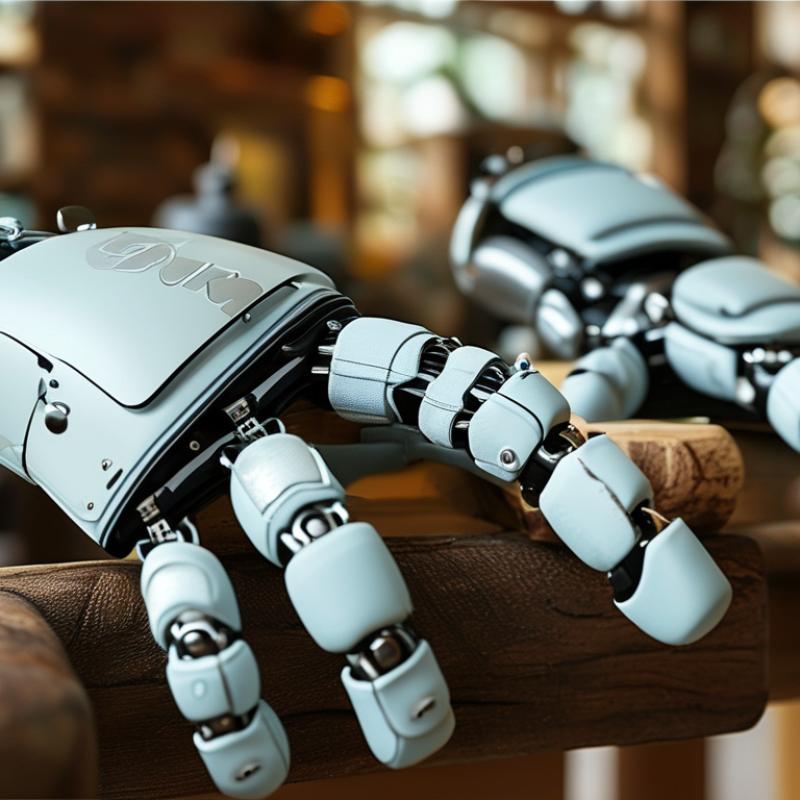
Rehabilitation robot gloves represent a blend of technology and therapy. They offer precise assistance for individuals recovering from hand injuries or strokes. The gloves are designed to enhance hand function through repetitive motion exercises. This approach helps patients regain strength and mobility. Each movement is carefully monitored to ensure the effectiveness of the therapy.
One key benefit of these robot gloves is the tailored experience they provide. Users can adjust settings according to their specific needs. This adaptability fosters a sense of empowerment during recovery. However, some may find it challenging to adapt to this technology at first. Initial discomfort is common, requiring time and patience.
The use of data in rehabilitation processes is significant. Feedback from the robot gloves can guide therapists in refining their methods. It creates a collaborative environment, enhancing the overall effectiveness of treatment. Yet, continuous reliance on technology may lead to dependency, sparking a need for balance in therapy approaches.
Rehabilitation robot gloves are designed to assist individuals in their recovery journey. They offer targeted therapy for hand and finger movement. The gloves are equipped with advanced sensors, enabling real-time feedback on progress. Users can track their recovery, adjusting intensity as needed. This personalized approach fosters a sense of control.
In addition to their innovative technology, these gloves provide comfort. They are lightweight and padded, ensuring a snug fit. This encourages regular use, crucial for effective rehabilitation. Moreover, their user-friendly design makes them accessible for people of all ages. Whether recovering from a stroke or managing arthritis, these features enhance usability.
However, it’s essential to recognize limitations. Not all users may find traditional rehabilitation techniques fully replaced by robotic enhancements. Some may require additional therapies or support. A comprehensive approach, combining various recovery methods, often yields the best results. This reflection on rehabilitation tools ensures they are used to their fullest potential.
Rehabilitation robot gloves offer innovative solutions for physical therapy sessions. These devices harness technology to enhance therapeutic exercises. Patients can experience guided movements, making exercises engaging and effective. The gloves provide real-time feedback, which helps therapists monitor progress accurately.
Utilizing rehabilitation robot gloves can transform traditional therapy practices. They enable personalized rehabilitation programs tailored to individual needs. This personalization can lead to better outcomes and increased motivation. However, some patients may initially feel uncomfortable using such technology. Adjusting to these tools may take time, and not everyone may respond positively at first.
Therapists can integrate these gloves into their sessions with careful planning. Understanding each patient's limitations is crucial. There may be cases where the technology might not suit everyone's injury or recovery path. Regular assessments are necessary to ensure that the devices are aiding the recovery process effectively. Being open to feedback from patients helps refine the therapy approach. This adaptability can significantly improve rehabilitation journeys.
| Feature | Benefit | Usage in Therapy | Patient Outcomes |
|---|---|---|---|
| Adaptive Haptic Feedback | Enhances sensory perception and motor learning | Used during fine motor skill training | Improved hand coordination |
| Adjustable Resistance Levels | Customized therapy intensity for individual needs | Applicable for strength training sessions | Enhanced muscle strength |
| Real-time Progress Tracking | Monitors improvement and boosts motivation | Utilized for regular therapy assessments | Increased engagement and persistence in therapy |
| Lightweight and Ergonomic Design | Comfortable for extended use | Implemented in long-term rehabilitation plans | Better patient compliance |
| Multi-functional Therapies | Addresses a wide range of rehabilitation needs | Applied in diverse therapeutic environments | Comprehensive recovery benefits |
Choosing the right rehabilitation robot gloves is crucial for effective therapy. Each individual's needs are unique, and the gloves must reflect that diversity. Consider whether you need gloves for mobility improvement or strength enhancement. Assess the specific challenges you face. Different gloves target different areas, such as dexterity or grip strength.
When selecting a pair, it's also important to think about comfort and fit. Ill-fitting gloves can hinder progress. A snug fit allows for better control and responsiveness during exercises. Look for gloves that offer adjustable features. This ensures they can accommodate swelling or changes in hand size throughout therapy. Many people overlook the importance of user feedback, too. Listening to personal stories can provide insight into what works and what doesn’t.
Customization options can make a significant difference as well. Some gloves allow for modifications based on user progress. This adaptive aspect is essential in rehabilitation. It promotes ongoing engagement and ensures that individuals feel supported throughout their journey. Reflecting on your needs and preferences can lead to better outcomes. Don’t rush the decision; take time to evaluate your options carefully.
The field of rehabilitation is evolving rapidly, especially with the emergence of robotic glove technology. These devices can assist patients in regaining hand function post-injury or surgery. According to a report by the International Society of Physical and Rehabilitation Medicine, robotic-assisted therapy can improve patients’ recovery rates by up to 30%. This statistic highlights the potential impact of innovation on rehabilitation practices.
Many rehabilitation centers are beginning to adopt robotic gloves. These gloves utilize sensors and motors to provide feedback and support during exercises. In a clinical study, patients using robotic gloves reported a 25% increase in strength compared to traditional rehabilitation methods. This increasing effectiveness mirrors the technology's potential, yet it is not without limitations. For instance, the initial cost can be a barrier for some facilities. Additionally, ongoing research is needed to ensure long-term benefits.
Furthermore, while these innovations present promising advancements, they also pose challenges. Some therapists are concerned that reliance on technology might diminish the human touch essential for rehabilitation. It’s crucial to balance tech integration with personal care. Continual assessment is needed to fine-tune these technologies, ensuring they meet diverse patient needs effectively.
This chart illustrates the percentage of improvement in patients' rehabilitation progress over six weeks of using robotic gloves. The data shows significant advancements in recovery, indicating the effectiveness of rehabilitation robot gloves in therapeutic settings.
: They assist individuals in recovering hand and finger movement.
They have advanced sensors that provide real-time feedback on progress.
Yes, they are designed for people of all ages and various conditions.
Consider comfort, fit, and whether they suit your specific rehabilitation needs.
A snug fit enhances control and responsiveness during exercises.
No, they may not fully replace traditional techniques and additional support might be needed.
Customization allows gloves to adapt based on individual progress, increasing engagement.
Personal stories provide valuable insights into what works effectively.
It's crucial; ill-fitting gloves can hinder progress in recovery efforts.
No, take your time to evaluate options and reflect on your needs.
Rehabilitation Robot Gloves are innovative devices designed to enhance recovery for individuals undergoing physical therapy. These gloves incorporate advanced technology that supports hand movement, making rehabilitation more effective and engaging. Key features include adjustable resistance levels, ergonomic designs, and real-time feedback, which help customize therapy sessions to meet individual needs.
The use of Rehabilitation Robot Gloves in physical therapy not only facilitates improved motor skills but also encourages patient motivation and compliance. As the field of rehabilitation evolves, ongoing innovations in robotic glove technology promise to further elevate the effectiveness of therapy, ultimately leading to better outcomes for users. Selecting the right Rehabilitation Robot Gloves tailored to personal requirements can significantly influence recovery success, emphasizing the importance of individualized care in rehabilitation programs.

MedTrack