The realm of rehabilitation technology is evolving rapidly, particularly with devices like the Robotic Hand Rehabilitation Glove. Dr. Emily Carter, a leading expert in robotic therapies, states, "These gloves have the potential to transform recovery for countless patients." As more global buyers seek effective rehabilitation solutions, the demand for innovative gloves has surged.
Robotic Hand Rehabilitation Gloves are designed to aid recovery in patients with hand impairments. They provide assistance and motivation, fostering an engaging therapeutic process. Remarkably, these devices not only promote physical recovery but also enhance patients' mental well-being. However, the market is filled with various options, making it challenging for buyers to choose the best product.
It's crucial to consider the key features and functionality when evaluating these gloves. Each design addresses different rehabilitation needs, and effectiveness can vary widely. A thoughtful approach ensures that both patients and healthcare providers can select the right tool for recovery. In this fast-paced market, it's easy to overlook essential factors, risking patient progress and satisfaction. Exploring these nuances is vital for making informed decisions in the sphere of robotic rehabilitation.
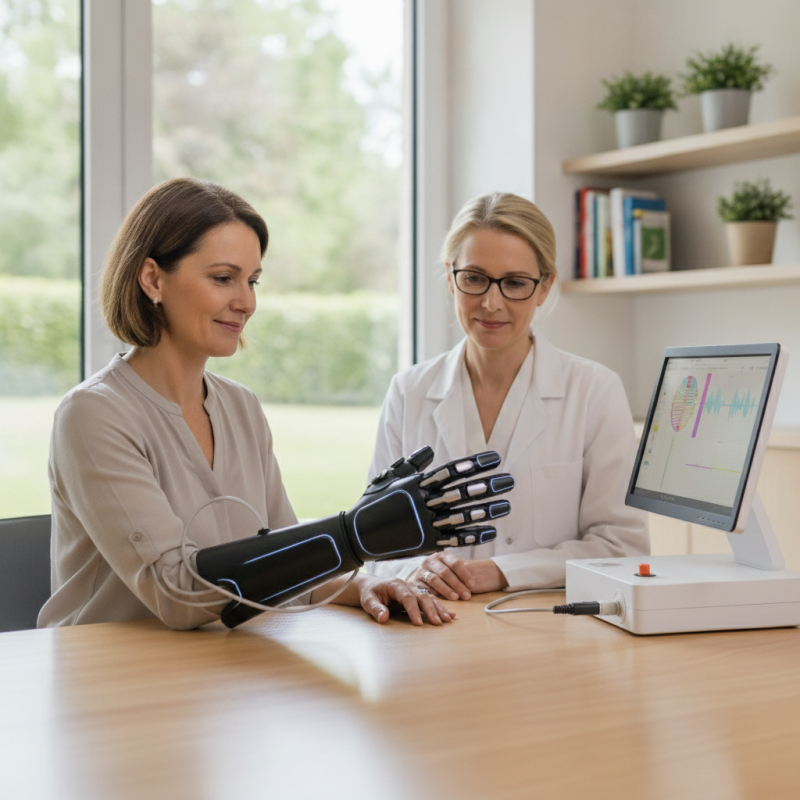
Robotic hand rehabilitation gloves play a crucial role in recovery for individuals with hand injuries or disabilities. Recent studies indicate that using these gloves can significantly enhance motor skills. A report by Global Market Insights shows a projected growth in the rehabilitation robotics market, reaching $5 billion by 2026. This suggests a rising demand for effective rehabilitation tools.
The technology behind these gloves often includes sensors and motors that provide real-time feedback. This interactive experience can boost patient engagement. However, not all gloves are equally effective. Clinical trials have noted variations in patient outcomes, emphasizing the need for rigorous evaluation. In fact, about 30% of users report limited improvement, underscoring that individual responses to therapy can differ widely.
Moreover, accessibility remains a major concern. High costs can limit the availability of these devices. A survey from the Journal of Rehabilitation Research indicated that over 47% of therapists believe that affordability is a significant barrier. Enhancing these gloves should not only focus on technology but also consider user experience and financial viability. Continuous improvements are vital for wider adoption in rehabilitation settings.
When searching for the best robotic hand rehabilitation glove, key features should be at the forefront. Comfort is vital. A glove should fit snugly without causing discomfort during use. The materials should be breathable and easy to clean, ensuring users can wear them for extended periods.
Another essential aspect is adjustability. A glove that offers customizable settings can cater to various therapy needs. Look for options that allow users to modify resistance levels. This feature enables gradual progress, which is crucial for effective rehabilitation.
Tips: Always check if the glove has user-friendly controls. A complicated interface can deter consistent use.
Additionally, seek gloves with built-in sensors. Such technology helps track progress over time. This feature could motivate users and provide valuable feedback to therapists.
It's crucial to consider the glove's design. Some gloves may look high-tech but lack functional efficiency. A balance between style and practicality is necessary. Trying gloves with diverse functionalities can help you find the right fit. Remember, no glove is perfect; it's vital to reassess your needs regularly.
When exploring robotic hand rehabilitation gloves, various factors come into play. The primary focus should be on user experience and effectiveness. Many gloves use advanced technology for rehabilitation. They often include sensors and feedback systems. These elements help users track their progress and maintain motivation.
In comparing different models, one can notice significant variations. Some gloves boast lightweight designs for easy wear. Others may have multiple settings for various rehabilitation stages. However, users have reported comfort issues with certain models. The fit is crucial for prolonged use, and insufficient cushioning can lead to discomfort.
Durability is another critical aspect. Some gloves may show wear and tear sooner than expected. This can affect their overall reliability during intensive therapy sessions. It’s essential to reflect on these aspects before making a purchase. Each user has unique needs, which makes a tailored approach to rehabilitation critical.
Robotic hand rehabilitation gloves have shown promise in clinical settings. They aim to assist patients recovering from hand injuries or surgeries. Evidence suggests these devices enhance motor function and dexterity. Several studies highlight their effectiveness in various rehabilitation programs. Users report improved grip strength and coordination over time.
Clinical trials often demonstrate positive outcomes. Participants generally experience significant improvements in fine motor skills after using these gloves. Data shows progress in recovery timelines, suggesting a faster rehabilitation process. Health professionals support these findings, emphasizing the need for evidence-based practices in patient care. It's essential to assess individual needs and recovery time during treatment.
Despite the encouraging results, challenges remain. Not all patients respond equally to robotic therapy. Some may experience discomfort, while others might struggle with the technology itself. Continuous adjustments and personalized therapy plans are crucial. More research is necessary to address these variability issues and refine best practices. Overall, clinical evidence supports the potential effectiveness of robotic gloves in rehabilitation.
The bar chart above illustrates the key rehabilitation metrics for robotic hand rehabilitation gloves. It evaluates aspects such as Grip Strength, Range of Motion, User Satisfaction, Time to Recovery, and Cost Effectiveness, providing insights into the effectiveness of these devices for global buyers.
When considering a robotic hand rehabilitation glove, consumers should focus on key features. Look for customizable fit options. A glove that adapts to different hand sizes is essential. This ensures comfort during therapy sessions. Additionally, check for varying levels of resistance. Patients often require different intensities based on their recovery stages.
**Tips**: Evaluate the size range provided. A wider range means better fit for diverse users. It minimizes discomfort during rehabilitation.
Also, research the materials used in the glove. High-quality, durable materials enhance longevity. They must also be easy to clean. Hygiene is vital in any rehabilitation process.
**Tips**: Ensure the glove is machine washable, if possible. This feature keeps the glove hygienic with minimal effort.
Finally, verify user reviews and testimonials. Genuine feedback offers insights into the glove's effectiveness. Sometimes, products look good on paper but do not deliver results.
**Tips**: Seek reviews from multiple sources. This helps you avoid biased information. Look for real user experiences to gauge performance.
: Comfort is vital. The glove must fit snugly and be breathable for extended use.
Customizable settings allow users to modify resistance levels, crucial for effective gradual progress.
Always check the interface. Complicated controls can discourage consistent usage during therapy.
They track progress over time, motivate users, and provide feedback to therapists.
Some high-tech gloves lack efficiency. A balance is necessary for effective rehabilitation.
Insufficient cushioning can lead to discomfort, affecting prolonged use during therapy sessions.
High-quality materials enhance longevity, reducing wear and tear during intensive therapy.
Genuine feedback provides insights into effectiveness. Avoid overly polished marketing claims.
A wider size range ensures a better fit for various users, minimizing discomfort.
Easy-to-clean materials and machine washability maintain hygiene effortlessly during rehabilitation.
The article titled "Best Robotic Hand Rehabilitation Glove for Global Buyers?" provides a comprehensive overview of robotic hand rehabilitation gloves, essential tools for individuals recovering from hand injuries or surgeries. It highlights key features to consider when selecting a rehabilitation glove, such as comfort, adjustability, and the level of therapeutic support offered.
Further, the article compares top brands and models in the market, backed by clinical evidence that supports the effectiveness of robotic gloves in enhancing recovery outcomes. For global consumers, a buying guide is included, outlining important considerations to ensure informed purchasing decisions. Overall, the robotic hand rehabilitation glove emerges as a vital asset in rehabilitation, promoting functional recovery and improved quality of life for users.
MedTrack