10 Best Neurorehabilitation Devices for Hospitals in 2026?

Time:2026-11-19 Author:Henry
0%

Neurorehabilitation Devices are changing how hospitals deliver movement, balance, and upper-limb therapy. The need is growing. The World Health Organization’s 2022 Global Report on Assistive Technology estimates that 2.5 billion people need one or more assistive products. Nearly one billion lack access. This broad estimate covers many product types, not neurorehabilitation equipment alone, but it underscores the access challenge facing health systems.

Stroke care adds urgency. The World Stroke Organization’s Global Stroke Fact Sheet 2022 reports more than 12 million new strokes worldwide in 2019. Many survivors need sustained rehabilitation to regain everyday abilities, such as standing safely or reaching for a cup. In hospitals, robotic gait trainers, functional electrical stimulation systems, and arm-support devices may help clinicians deliver repeated, measurable practice. Their value depends on patient needs, staff expertise, space, and follow-up—not just the technology itself.

This guide examines ten device categories hospitals may consider in 2026, including their clinical uses, practical trade-offs, and selection factors. Some systems offer detailed progress tracking; others may be easier to fit into routine care. Evidence and access remain uneven. A device is not a treatment plan, and newer does not always mean better. Hospital teams should assess clinical evidence, training requirements, maintenance, patient safety, and compatibility with existing workflows. The right choice is specific. These considerations provide a grounded starting point for comparing options without treating one device as suitable for every patient or facility.
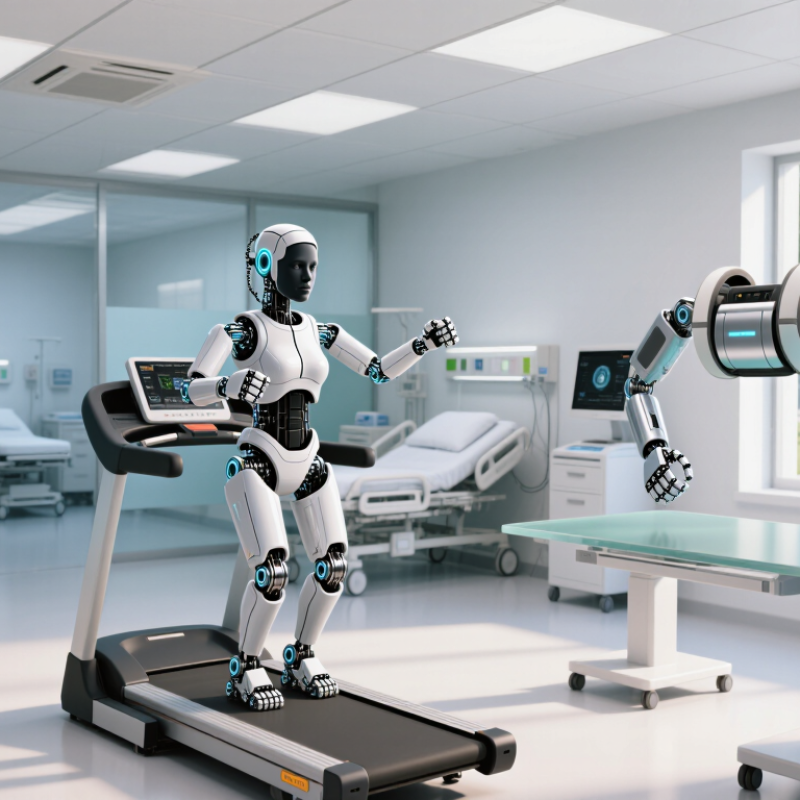
10 Best Neurorehabilitation Devices for Hospitals in 2026?

How Neurorehabilitation Devices Support Hospital-Based Recovery

10 Best Neurorehabilitation Devices for Hospitals in 2026?

How Neurorehabilitation Devices Support Hospital-Based Recovery

Hospital neurorehabilitation devices help clinicians deliver repeated, measurable practice after neurological injury. Examples include robotic gait systems, functional electrical stimulation, balance platforms, and instrumented arm-training devices. A therapist can adjust support while a patient practices standing, stepping, or reaching. Small gains matter: one steadier transfer can change a patient’s daily routine.

The need is substantial. A 2020 Lancet Global Health analysis estimated that 2.41 billion people worldwide could benefit from rehabilitation. WHO’s 2022 Global Report on Assistive Technology estimated that 2.5 billion people need one or more assistive products, with nearly one billion lacking access. These figures describe broad needs, not demand for any single hospital device. Still, they underline why accessible, well-integrated rehabilitation matters.

In practice, devices can track movement speed, repetitions, balance, or assistance required. Clinicians can use those measures alongside pain, fatigue, and patient goals—not instead of them. Fit matters. A treadmill may offer useful repetition, yet overwhelm someone with poor balance or low endurance. Staff training, safe setup, and time for individual adjustment shape whether technology supports recovery. A dashboard is not the whole story; fatigue can be hard to capture, and progress rarely follows a neat line.

Criteria for Selecting Neurorehabilitation Devices in 2026

Selecting neurorehabilitation devices in 2026 should start with patient needs, not a feature list. Match equipment to the hospital’s care pathways and consider cognition, fatigue, muscle tone, and sitting balance. A device for repetitive practice may still be unsuitable if staff cannot position a patient safely or adjust assistance quickly. Check evidence for the intended patient group and task. Improvement on one measure does not always mean greater independence at home.

Assess safety and usability during realistic sessions. Review transfer space, harness fit, emergency stops, cleaning points, and setup time between patients. Ask therapists to test controls while wearing gloves. Observe whether one clinician can monitor the patient and document the session. Confirm service access, staff training, ongoing costs, and record-system compatibility before purchasing. Mundane details matter.

Tips: Pilot devices with varied patients. Track setup time, assistance levels, safety incidents, and patient feedback against baseline goals. Keep the decision open to revision; an early scoring sheet may miss something practical, such as a wheelchair’s turning radius. That happens.

Ten Leading Neurorehabilitation Devices for Hospital Use

Ten Leading Neurorehabilitation Devices for Hospital Use

Hospitals can choose from ten device types:

robotic gait trainers
wearable exoskeletons
end-effector gait systems
instrumented balance platforms
functional electrical stimulation systems
upper-limb robotic trainers
motion-sensing wearables
virtual-reality rehabilitation systems
brain-computer interface systems
non-invasive brain stimulation devices

Each serves different goals, from practicing a safer step to measuring arm movement. The World Health Organization’s 2023 rehabilitation report estimates that 2.4 billion people worldwide could benefit from rehabilitation. That scale makes access important, but it does not show that any single device works for every patient.

Selection should follow an individual assessment, not a technology trend. A therapist might use a balance platform to track weight shifts, while wearable sensors capture walking speed in a hospital corridor. Small details matter.

The 2021 Global Burden of Disease stroke analysis, published in The Lancet Neurology in 2024, estimated 12.2 million new strokes worldwide in 2021. This burden underscores the need for effective recovery services, though it does not establish the effectiveness of a particular device.

Hospitals should consider clinical evidence, staff training, setup time, patient comfort, and whether the device supports meaningful practice. A promising system can still be a poor fit if transfers are difficult or sessions feel exhausting.

Evidence is uneven, too. That deserves honest review.

Clinical Uses Across Neurological Conditions and Recovery Stages

Neurorehabilitation devices serve different needs across stroke, spinal cord injury, Parkinson’s disease, multiple sclerosis, and traumatic brain injury. Their role changes with recovery stage. Early after stroke, supported standing systems and functional electrical stimulation may help patients practise safe movement. Later, gait trainers, balance platforms, and upper-limb task devices can provide repeated, measurable practice. Small gains count.

The World Health Organization’s 2023 rehabilitation report estimates that 2.4 billion people worldwide live with conditions that may benefit from rehabilitation. The 2024 Global Burden of Disease analysis in The Lancet Neurology estimated that 3.4 billion people were affected by nervous system conditions in 2021. These figures describe broad need, not the number of people who require a device. That distinction matters when hospitals plan equipment and staffing.

A device should match a clinical goal, such as improving step symmetry or reaching for a cup, and the patient’s ability to participate. In early recovery, adjustable support and close therapist supervision may be essential; in chronic care, feedback and repeatable home-like tasks can sustain practice. Sensors can record speed or range, but they do not capture confidence or fatigue very well. I would treat the numbers as useful prompts, not proof that one device works for everyone. Rehabilitation is still personal.

Safety, Staffing, and Integration Considerations for Hospitals

For hospitals comparing neurorehabilitation devices in 2026, safety should be assessed in the actual treatment space, not just on a specification sheet. Check weight limits, emergency stops, patient supports, and access for staff assisting transfers. A body-weight support system, for example, needs room for a wheelchair approach and a clear path around the moving equipment. Test cleaning procedures between patients. Small details matter.

Staffing affects whether a device is used consistently. Ask how many trained clinicians are needed for setup, supervision, and safe patient transitions. A system requiring two staff members may be unsuitable during lean shifts, even if it offers useful therapy options. Training should include hands-on practice and clear steps for responding to fatigue, pain, or loss of balance. No device replaces clinical judgment. Be realistic about onboarding time; schedules often leave less room than planned.

Integration deserves equal attention. Confirm whether session data can be entered into the hospital’s existing record workflow, and clarify who reviews it. Avoid relying on data displays that staff cannot access during routine care. Before purchase, map power outlets, storage, maintenance access, and network requirements. Include therapists, nursing staff, biomedical engineering, and infection prevention in the review. A pilot can reveal awkward workflows, though a short trial may not represent every patient or staffing pattern. Their feedback should shape device selection and local protocols.

10 Best Neurorehabilitation Devices for Hospitals in 2026? - Safety, Staffing, and Integration Considerations for Hospitals
A practical comparison of device categories—not a brand ranking. Suitability depends on patient assessment, intended use, local regulations, clinical protocols, and available staff.
Device category Typical rehabilitation use Key safety considerations Staffing and workflow Integration and selection considerations
1. Body-weight-support treadmill systems Repetitive, task-specific gait practice for people with impaired walking after stroke, spinal cord injury, or other neurological conditions. Check harness fit, suspension limits, skin integrity, orthostatic symptoms, fatigue, and fall-prevention procedures. Follow the patient's weight-bearing and medical restrictions. Usually requires trained therapy staff for transfers, harness setup, gait assistance, and monitoring; staffing needs rise with greater patient assistance requirements. Confirm room clearance, safe transfer access, cleaning procedures, and compatibility with mobility aids. Establish how speed, support level, and session outcomes are documented.
2. Overground gait exoskeletons Assisted standing and stepping practice for selected patients with significant gait impairment. Screen against the device's prescribed criteria, including fit, range of motion, bone and joint risks, skin condition, and cardiovascular tolerance. Use fall protection and trained supervision as specified by the manufacturer. Requires specialist training, fitting, transfer planning, and a staffing plan for donning and doffing. Session time includes setup and safety checks, not only walking time. Assess doorway and corridor access, charging, storage, maintenance, and emergency procedures. Verify that the device's intended use matches the hospital's patient population and local requirements.
3. Robotic gait-training systems Robot-assisted, repetitive stepping practice, often using a treadmill or supported walking setup. Ensure correct limb alignment and secure attachment; monitor pressure points, pain, fatigue, and changes in tone. Use emergency-stop and release procedures appropriate to the system. Clinicians need training in patient selection, setup, adjustment, and response to alarms. Plan for assistance with transfers and equipment cleaning between patients. Evaluate footprint, patient throughput, service support, and data export options. Confirm that session data can be recorded consistently in the clinical record.
4. Upper-limb robotic therapy devices Repetitive reaching, arm movement, or hand practice for people with upper-limb motor impairment. Check joint range, pain, tone, seating, limb alignment, and pressure areas. Stop or adjust treatment if discomfort, fatigue, or unsafe compensatory movement occurs. Therapists typically select tasks, position the patient, set assistance or resistance, and review performance. Provide staff training for setup and cleaning. Consider whether the system supports the target movements and patient needs, including wheelchair or seating access. Review data export, user permissions, and software support arrangements.
5. Functional electrical stimulation (FES) systems Timed electrical stimulation to activate selected muscles during tasks such as walking or upper-limb practice. Inspect skin and electrode sites; check sensation and comfort. Screen for device-specific contraindications and precautions, including implanted electronic devices, and follow clinical guidance for electrode placement and intensity. Staff require training in electrode placement, parameter adjustment, skin checks, and patient education. Patients need clear instructions if any use is planned outside supervised sessions. Check electrode availability, battery management, cleaning, and compatibility with functional tasks. Document stimulation settings and the patient's response in the treatment record.
6. Neuromuscular electrical stimulation (NMES) devices Electrical stimulation intended to produce or support muscle contraction, for example during strengthening or functional training. Follow device instructions and local screening protocols. Check skin, sensation, electrode contact, pain, and muscle response; use extra caution where the patient cannot reliably report discomfort. Clinicians need competency in contraindication screening, electrode placement, dosing, and monitoring. Assign responsibility for device checks and consumable replenishment. Portable systems may be easier to deploy across units, but require consistent protocols, cleaning, storage, and documentation of settings and outcomes.
7. Balance and postural-control platforms Assessment and training of balance, weight shifting, and postural control, with task difficulty tailored to ability. Use guarding or hand support when indicated; check platform stability and the patient's footwear, vision, and fall risk. Avoid challenging tasks beyond the patient's safe balance capacity. A therapist should select tasks, guard the patient as needed, and interpret results clinically rather than relying on scores alone. Assess floor space, accessibility for mobility aids, software licensing, and the reproducibility of assessment protocols. Confirm how results are saved and compared over time.
8. Virtual-reality rehabilitation systems Interactive practice for motor, balance, or cognitive-motor tasks, delivered through screen-based or immersive environments. Consider dizziness, visual discomfort, cybersickness, seizure history where relevant to the system, and fall risk. Provide a clear way to pause or stop the activity and supervise standing tasks. Staff need to choose suitable tasks, adjust difficulty, and monitor symptoms and movement quality. Plan for headset fitting, cleaning, and support for patients who need assistance. Review accessibility, infection-control procedures, network and cybersecurity requirements, and whether patient data are stored locally or remotely. Confirm compatibility with hospital IT policies.
9. Wearable inertial sensors for gait and movement analysis Measurement of movement characteristics during walking or functional tasks to support assessment and progress tracking. Secure sensors to reduce snagging or displacement; check skin comfort and balance safety during testing. Treat measurements as adjuncts to clinical assessment, not standalone diagnoses. Staff need standardized placement, calibration, and testing procedures. Training should cover interpretation limits and repeatable measurement conditions. Evaluate data formats, device charging, calibration needs, data retention, consent, and interoperability with hospital systems. Avoid assuming automated scores are directly comparable across devices.
10. Biofeedback systems for swallowing rehabilitation Visual or auditory feedback during selected swallowing exercises, based on signals such as muscle activity or movement measures. Use under a qualified swallowing clinician's protocol. Confirm that the exercise is appropriate to the patient's assessment and airway-protection needs; biofeedback does not replace instrumental or clinical evaluation when indicated. Speech-language pathology staff generally require training in sensor placement, signal quality, exercise selection, and interpretation. Define cleaning and patient-specific consumable procedures. Check whether the system supports the hospital's assessment and treatment workflow, provides usable session records, and meets privacy and data-security requirements.
Hospital selection note: Before procurement, review intended use, applicable regulatory status, clinical evidence, patient-selection criteria, staff competency requirements, infection-control procedures, maintenance and service arrangements, cybersecurity, accessibility, and total cost of ownership. Follow current manufacturer instructions and local clinical policies.

FAQS

What should hospitals consider when selecting a neurorehabilitation device?

Start with patient needs and treatment goals, not a long feature list. Consider cognition, fatigue, muscle tone, and sitting balance. Practical details matter.

How should a device match a patient’s recovery stage?

Early recovery may require adjustable support and close supervision. Later practice might use gait trainers, balance platforms, or upper-limb task devices. The right choice varies.

What clinical goals can devices support?

A device can support specific tasks, such as improving step symmetry or reaching for a cup. Repeated practice may help, but progress on one measure does not guarantee greater independence at home.

What safety details should hospitals test before purchase?

Check weight limits, harness fit, emergency stops, transfer space, and cleaning procedures. Test the equipment in the actual treatment room. A floor plan can miss awkward turns.

How many staff members may be needed?

Ask how many clinicians are required for setup, supervision, and patient transfers. A two-person setup may be difficult during lean shifts. Training takes time.

What should a hospital pilot measure?

Track setup time, assistance levels, safety incidents, and patient feedback against baseline goals. Test with varied patients. A short trial may miss real workflow problems.

Can device data show whether rehabilitation is working?

Sensors may record speed or range of motion, but they capture confidence and fatigue less well. Treat measurements as useful prompts, not proof. I may be missing something.

What integration and operating costs should hospitals review?

Check record-system compatibility, maintenance access, storage, power outlets, and network needs. Confirm ongoing costs and who reviews session data. Mundane details matter.

Conclusion

This article explores how Neurorehabilitation Devices can support hospital-based recovery by helping patients practice movement, balance, coordination, communication, and everyday tasks. It outlines key considerations for choosing equipment in 2026, including clinical goals, patient needs, ease of use, adaptability, safety features, and compatibility with hospital workflows. The article also presents ten types of devices suited to hospital settings, focusing on their general functions rather than specific brands.

It considers how these tools may be used across neurological conditions and different stages of recovery, from early rehabilitation to more advanced functional training. Finally, the article highlights practical factors hospitals should assess before adoption, such as staff training, supervision, space, maintenance, and integration with existing care plans. The goal is to help clinical teams make informed choices that support safe, coordinated, and patient-centered rehabilitation.

Henry

Henry

Henry is a dedicated marketing professional with a profound expertise in the company's offerings. With years of experience in the industry, he possesses an impressive understanding of the market dynamics and consumer behaviors that drive success. Henry is committed to sharing his insights through......