What is the Best Method for Plantar Pressure Measurement?

Time:2026-05-19 Author:Isabella
0%

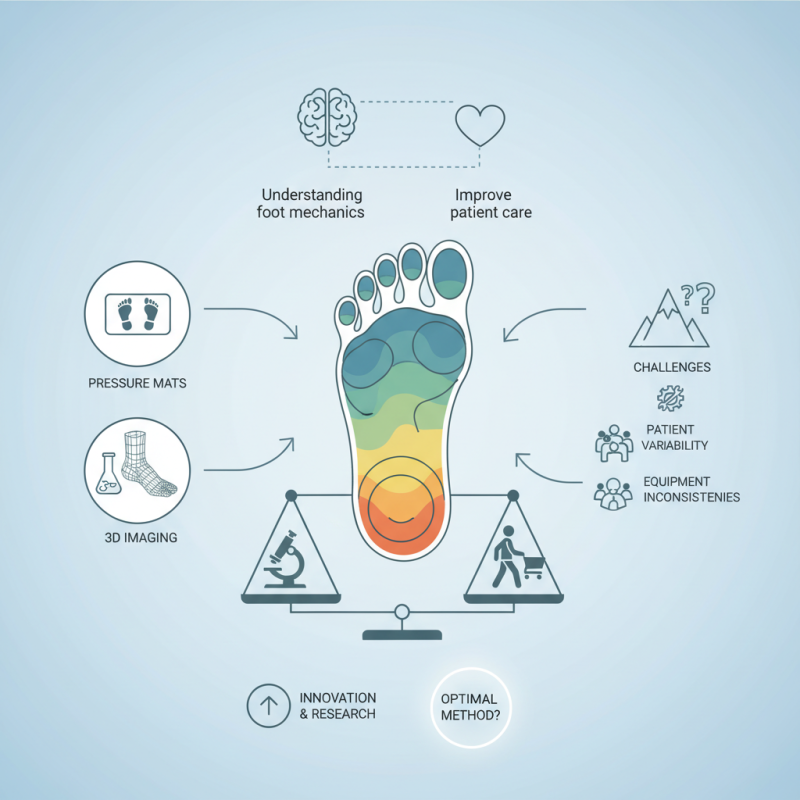
Plantar pressure measurement plays a crucial role in understanding foot mechanics and improving patient care. According to a recent report by the Journal of Biomechanics, accurate plantar pressure assessment can enhance the treatment of various conditions, such as diabetes and plantar fasciitis. This underscores the importance of innovative measurement techniques in healthcare.

Dr. Martin J. Heller, a leading expert in podiatric biomechanics, emphasizes, "The choice of measurement method can drastically affect diagnosis and treatment." His insights highlight the need for robust methodologies in plantar pressure measurement. Currently, methods range from simple foot pressure mats to advanced 3D imaging technologies. Each technique has its pros and cons, often reflecting the balance between accuracy and accessibility.

Despite advancements, challenges persist in achieving standardized measurement protocols. Factors like patient variability and equipment inconsistencies often influence results. Continuous reflection on these shortcomings is essential for enhancing the reliability of plantar pressure measurements. As this field evolves, the quest for the optimal method remains vital for both practitioners and researchers alike.
What is the Best Method for Plantar Pressure Measurement?

Definition of Plantar Pressure Measurement

Plantar pressure measurement refers to assessing the force distribution across the foot's surface during movement. This technique is vital for understanding gait mechanics. Accurate data can guide treatments for various conditions, such as diabetes, flat feet, and sports injuries. Studies show that abnormal plantar pressure can lead to foot ulcers in diabetic patients. Data indicates a 70% increased risk of ulceration linked to pressure imbalances.

Various methods exist for plantar pressure measurement, including in-shoe sensors and pressure mats. In-shoe devices offer real-time data, which benefits athletes and rehabilitation settings. Pressure mats, while less dynamic, provide comprehensive foot pressure images. A study found that 85% of clinicians preferred using pressure mats for initial assessments. However, inconsistent data collection methods can lead to confusing results, highlighting a need for standardization in measurement techniques.

Foot health is crucial for overall mobility and wellness. Misunderstanding plantar pressure can exacerbate injuries. Reports suggest that 15% of runners experience foot pain linked to poor pressure distribution. Accurate measurement helps identify problematic areas, but available methods have limitations. This field continues to evolve, necessitating ongoing research and practice refinement.

Importance of Accurate Plantar Pressure Assessment

Accurate assessment of plantar pressure is crucial in various fields, including sports medicine and podiatry. It helps to identify abnormal foot mechanics and prevent injuries. Research indicates that over 70% of athletes experience foot-related issues. Accurate measurements can aid in creating tailored treatment plans to address these concerns effectively.

A 2021 study found that individuals with improper pressure distribution are more likely to develop conditions like plantar fasciitis and metatarsalgia. These conditions can lead to chronic pain and diminished mobility. Utilizing advanced methods for plantar pressure measurement, such as pressure mats and insoles, can provide reliable data. However, not all methods yield equally beneficial results, which highlights the need for continual refinement.

While many practitioners have adopted digital systems, the transition is not without challenges. For instance, some devices may provide inconsistent readings due to environmental factors. This inconsistency can affect treatment decisions. Furthermore, the expertise of the clinician interpreting the data is paramount. Access to appropriate training can often be overlooked, leading to suboptimal outcomes. Therefore, ensuring accurate readings and interpretations remains a dynamic area of focus within the medical community.

Common Methods for Measuring Plantar Pressure

Measuring plantar pressure is essential in understanding foot biomechanics. Various methods exist, each with its strengths and weaknesses. One common approach is the use of pressure mats. These mats contain sensors that provide a comprehensive distribution of pressure under the foot. They are often used in clinical settings for gait analysis. While effective, their accuracy can be influenced by foot placement and calibration.

Another method involves in-shoe pressure sensors. These devices are placed inside shoes to capture real-time data. They offer the advantage of tracking pressure during different activities. However, they can be cumbersome and may affect the wearer's comfort. The data from in-shoe sensors can be complex and challenging to interpret without specialized training.

For researchers, using ultrasound imaging or MRI can provide detailed insights into soft tissue and bone structures. However, these techniques are often expensive and not easily accessible. They require trained professionals to perform and analyze the results. Despite their potential, the complexity of these methods may deter some users. Each method has unique benefits, but selecting the best one requires careful consideration of the specific context and goals.

Comparison of Traditional and Advanced Measurement Techniques

Plantar pressure measurement plays a crucial role in assessing foot health and biomechanics. Various techniques exist to capture pressure distribution, each with its own strengths and limitations. Traditional methods, including pressure mats and in-shoe sensors, often provide basic data. However, they may lack comprehensive insights into dynamic foot function.

Advanced techniques, such as 3D imaging and pressure mapping systems, offer more precise measurements. According to recent studies, these systems can capture data with an accuracy rate of 95% or higher. They enable detailed analysis of pressure points that traditional methods may overlook. This detailed data can guide individualized treatment plans in clinical settings, enhancing patient outcomes.

Despite the clear advantages of advanced methods, accessibility remains a challenge. Many healthcare facilities still rely on basic tools due to budget constraints. A survey indicated that nearly 40% of practitioners often hesitate to invest in newer technologies. This gap highlights the need for ongoing education and support for practitioners in adopting effective measurement techniques.

Applications and Implications of Plantar Pressure Data

Plantar pressure measurement is crucial in various fields, such as podiatry, sports science, and orthopedic research. It provides insights into foot mechanics, helping professionals to develop tailored treatments. According to a recent study, around 70% of athletes experience foot-related issues due to improper pressure distribution. Accurate measurements can prevent injuries and enhance performance.

Understanding plantar pressure data enables better patient assessments. In diabetic patients, for instance, increased pressure points can lead to ulcers. A survey indicated that 30% of such patients are at risk due to high plantar pressure. Early intervention based on data can significantly reduce complications.

Tip: Use pressure mapping during gait analysis to identify abnormal foot patterns.

Another application is in footwear design. Footwear companies now utilize plantar pressure data to create better-fitting shoes. A report highlighted that 40% of consumers reported improved comfort when using data-driven footwear. Yet, reliance on technology can lead to overlooking individual variations in foot structure.

Tip: Consider personal foot anatomy when interpreting pressure data.

What is the Best Method for Plantar Pressure Measurement? - Applications and Implications of Plantar Pressure Data

Measurement Method Accuracy (%) Response Time (ms) Cost ($) Applications
F-scan System 95 100 3000 Research, Clinical Trials
Pedar System 92 150 2500 Diabetes Monitoring, Sports Science
In-Shoe Pressure Sensors 90 200 800 Footwear Development, Gait Analysis
Optical Sensors 88 250 400 Research, Prosthetics
Pressure Mapping System 94 120 2000 Rehabilitation, Sports

FAQS

: What is the importance of accurate plantar pressure assessment?

: Accurate plantar pressure assessment helps identify foot mechanics issues and prevent injuries, especially in athletes.

How does improper pressure distribution affect individuals?

Improper pressure distribution can lead to conditions like plantar fasciitis and chronic pain, impacting mobility significantly.

What methods are used to measure plantar pressure?

Common methods include pressure mats, in-shoe sensors, and advanced imaging techniques like ultrasound or MRI.

What are the strengths of pressure mats?

Pressure mats provide comprehensive pressure distribution but their accuracy can hinge on proper foot placement and calibration.

How do in-shoe pressure sensors work?

In-shoe sensors track real-time pressure data but may hinder comfort and require specialized training for data interpretation.

What challenges exist with digital pressure assessment systems?

Digital systems can yield inconsistent readings due to environmental factors, complicating treatment decisions for clinicians.

Why is clinician expertise important in plantar pressure assessments?

A clinician's experience is crucial for interpreting data accurately, influencing treatment plans and patient outcomes significantly.

What are the limitations of advanced imaging techniques?

Techniques like MRI are expensive, complex, and require trained professionals, making them less accessible for general use.

Are there benefits to using multiple methods for plantar pressure measurement?

Yes, combining methods can provide a comprehensive view of foot health but also increases the complexity of data interpretation.

How can the accuracy of plantar pressure assessments be improved?

Continual training and refinement of assessment methods are essential to enhance accuracy and reduce unfavorable outcomes.

Conclusion

Plantar Pressure Measurement is a critical tool in assessing foot health and functionality. It allows for the quantification of pressure distribution across the foot, which is essential for diagnosing conditions related to gait and posture. Accurate plantar pressure assessment can lead to improved treatment strategies and better outcomes for patients with various musculoskeletal disorders.

There are several common methods for measuring plantar pressure, ranging from traditional techniques like pressure mats to advanced methods using pressure sensors and imaging technologies. A comparative analysis of these techniques reveals significant differences in accuracy and application. Understanding the applications and implications of plantar pressure data is crucial for healthcare professionals, as it can inform interventions and enhance the overall understanding of foot biomechanics.

Isabella

Isabella

Isabella is a dedicated marketing professional with a sharp focus on driving brand growth and engagement through strategic content creation. With an extensive background in digital marketing, she combines her passion for storytelling with her keen understanding of industry trends to deliver......