3D Body Motion Capture Analysis has become a critical tool in various fields. It is widely used in sports, healthcare, and entertainment. This technology captures and analyzes human movement in a three-dimensional space.
Understanding how 3D Body Motion Capture Analysis works can shed light on its applications. Sensors and cameras work together to track the body's movements. The data collected helps in improving athletic performance and rehabilitation processes. However, challenges remain in accuracy and data interpretation.
Experts in biomechanics and technology continuously refine this tool. With their insights, 3D Body Motion Capture Analysis is evolving. Even with advancements, there is room for improvement. That’s what makes this field fascinating. It is a blend of art and science, where every movement tells a story.
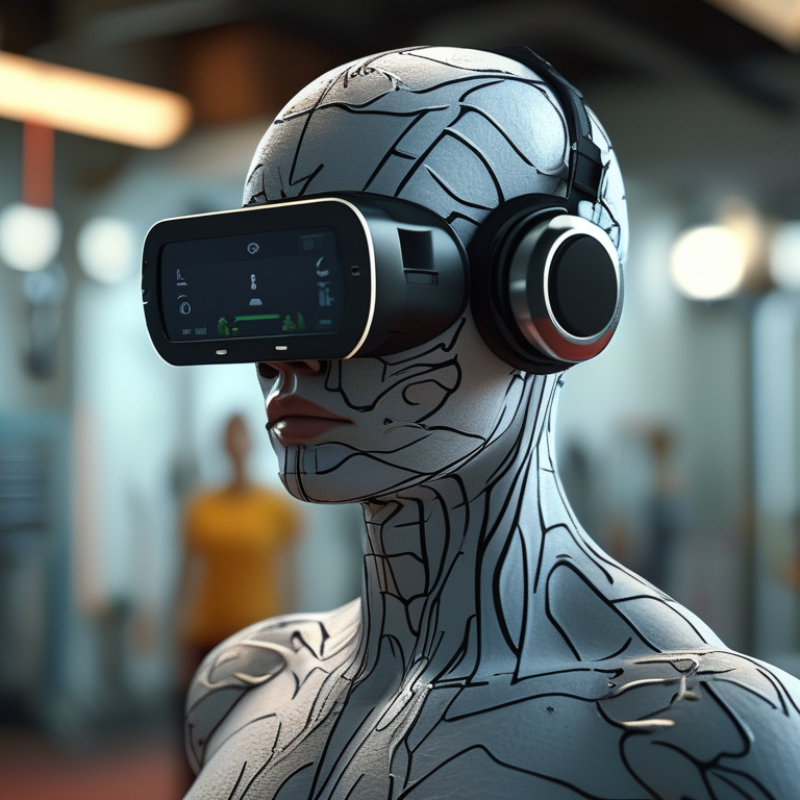
3D Body Motion Capture Analysis is an advanced technology used in various fields. It enables precise tracking of human movements in three-dimensional space. This technique utilizes multiple cameras or sensors to capture movement data, which is subsequently translated into digital information. This data can be valuable in sports, rehabilitation, and animation.
According to industry reports, the global motion capture market is projected to reach $7.2 billion by 2027. This growth is influenced by the increasing demand for motion analysis in industries like healthcare and entertainment. For example, in sports, 3D motion capture helps athletes optimize their performance. It identifies inefficiencies in movement patterns. However, the technology has its challenges. Calibration errors and the need for a controlled environment can affect accuracy.
Furthermore, studies show that proper training and experience are crucial for reliable analysis. The intricacies of human motion require a skilled practitioner to interpret the data meaningfully. This aspect underscores the importance of expert knowledge in getting actionable insights from motion capture data. As the technology evolves, the potential for mistake reduction and data reliability is improving. Yet, continuous reflection on methodology and techniques remains essential for maximizing its advantages.
The journey of motion capture technology began in the early 20th century. Pioneers like Eadweard Muybridge used simple methods to capture movement through sequential photographs. This innovation laid the foundation for a deeper understanding of human motion. The introduction of film allowed for more intricate analysis, yet it lacked real-time application.
As technology advanced, more sophisticated systems emerged. In the 1980s, researchers developed computer-based systems that used optical sensors and markers. This transition opened new doors for industries like film and gaming. However, early systems faced limitations in accuracy and cost. Every stride in technology revealed new challenges, particularly in achieving precision in depicting intricate movements.
The late 1990s saw significant advancements with the advent of markerless motion capture. This approach utilized advanced algorithms and machine learning to analyze body motion in real time. While the developments were impressive, they weren't without flaws. Issues with tracking multiple subjects and environmental interference often arose. As the field progresses, the need for refinement continues. There remains much to learn in making these systems reliable and accessible.
3D motion capture analysis plays a crucial role in various fields, including sports, healthcare, and animation. Its ability to accurately record and analyze human movement makes it invaluable. The main techniques in 3D motion capture involve optical, magnetic, and inertial systems. Optical systems use cameras to track markers on a subject. A recent report indicates that the optical segment dominates the market, accounting for over 60% of the industry's revenue.
Inertial motion capture is another method gaining traction. It employs sensors placed on the body to capture movement data without the need for external cameras. This technology offers a portable alternative for fieldwork or remote analysis. A 2021 study showed this method's accuracy can reach up to 95% in controlled settings. However, challenges remain, such as drift in sensor placement over time, leading to potential inaccuracies.
Magnetic motion capture systems offer a different approach, utilizing magnetic fields to determine position and orientation. While highly accurate, these systems face limitations in outdoor applications due to environmental interference. It’s essential to weigh the benefits against pitfalls when selecting a capture method. Each technique provides unique insights but also requires careful management of technical challenges and potential errors in data analysis.
3D body motion capture technology has become essential in various fields. In the entertainment industry, it enhances the realism of animation and video games. Actors wear markers that track their movements. This data translates into realistic character animations. However, initial capture sessions can lead to inaccuracies. Fine-tuning is often necessary to achieve desired results.
In sports science, coaches analyze athletes' form and movements to improve performance. Motion capture allows for precise measurement of angles and speed. These insights help athletes refine their techniques. Yet, data interpretation can be challenging. Coaches must ensure they understand the context of the movements. Misinterpreting the data can lead to ineffective training adjustments.
Healthcare utilizes motion capture for rehabilitation. Therapists monitor patients' progress by analyzing physical movements. This method provides quantitative feedback on recovery. Still, the technology may be inaccessible in some regions. Limited resources can hinder the adoption of motion capture in therapy settings. Embracing this technology can pave the way for enhanced outcomes.
The field of 3D motion capture is evolving rapidly. New technologies are pushing the boundaries of how we capture human movement. Researchers are exploring areas like integration with artificial intelligence. This fusion could enable more accurate data collection in real-time. The demand for precise animations in entertainment also encourages innovation.
Wearable sensors are becoming popular in this space. These devices provide data that can enhance motion analysis in sports and rehabilitation. However, challenges remain with sensor calibration and data interpretation. The need for better algorithms to process captured data is evident. This could lead to more reliable outcomes for users.
Another area of growth is in virtual reality. As VR becomes more immersive, 3D motion capture will play a critical role. Yet, even with advancements, the technology may struggle with user adaptability. The goal is to create seamless experiences that truly reflect human motion. Balancing precision and usability remains a major focus. It’s clear that the journey of 3D motion capture is just beginning.
: The main techniques include optical, magnetic, and inertial systems. Each has unique strengths and weaknesses.
Optical systems use cameras to track markers on subjects. They require precise placement for optimal accuracy.
Inertial systems use sensors on the body to capture movements. They are portable, ideal for various settings.
A significant challenge is sensor drift. This can lead to inaccuracies over time, affecting data quality.
Accurate data helps coaches refine techniques. Misinterpretation can hinder athletes' improvement and performance.
It aids therapists in monitoring patient movements. Providing quantitative feedback can enhance recovery processes.
Integration with AI and wearable sensors is gaining traction. This can improve real-time data collection and analysis.
It enhances immersion by capturing realistic human movement. User adaptability remains a challenge to address.
Accurate calibration affects data quality. Without it, the analysis may lead to flawed conclusions.
It translates actors' movements into realistic animations. However, fine-tuning is often necessary after initial captures.
3D Body Motion Capture Analysis is a sophisticated technology that allows for the detailed recording of human movement in three-dimensional space. Historically, motion capture has evolved significantly, from early mechanical systems to advanced digital frameworks capable of capturing complex movements with high precision. This technology employs various techniques, including optical, inertial, and markerless systems, to track body motion and translate it into digital data.
The applications of 3D Body Motion Capture Analysis span multiple fields, including film production, sports science, rehabilitation, and animation, showcasing its versatility and importance. As technology continues to advance, future trends may focus on improving accuracy, reducing costs, and enhancing real-time feedback, broadening its accessibility and application in research and industry. This ongoing development promises to further integrate 3D motion capture into everyday practices, making it an essential tool for studying human motion and performance.

MedTrack